
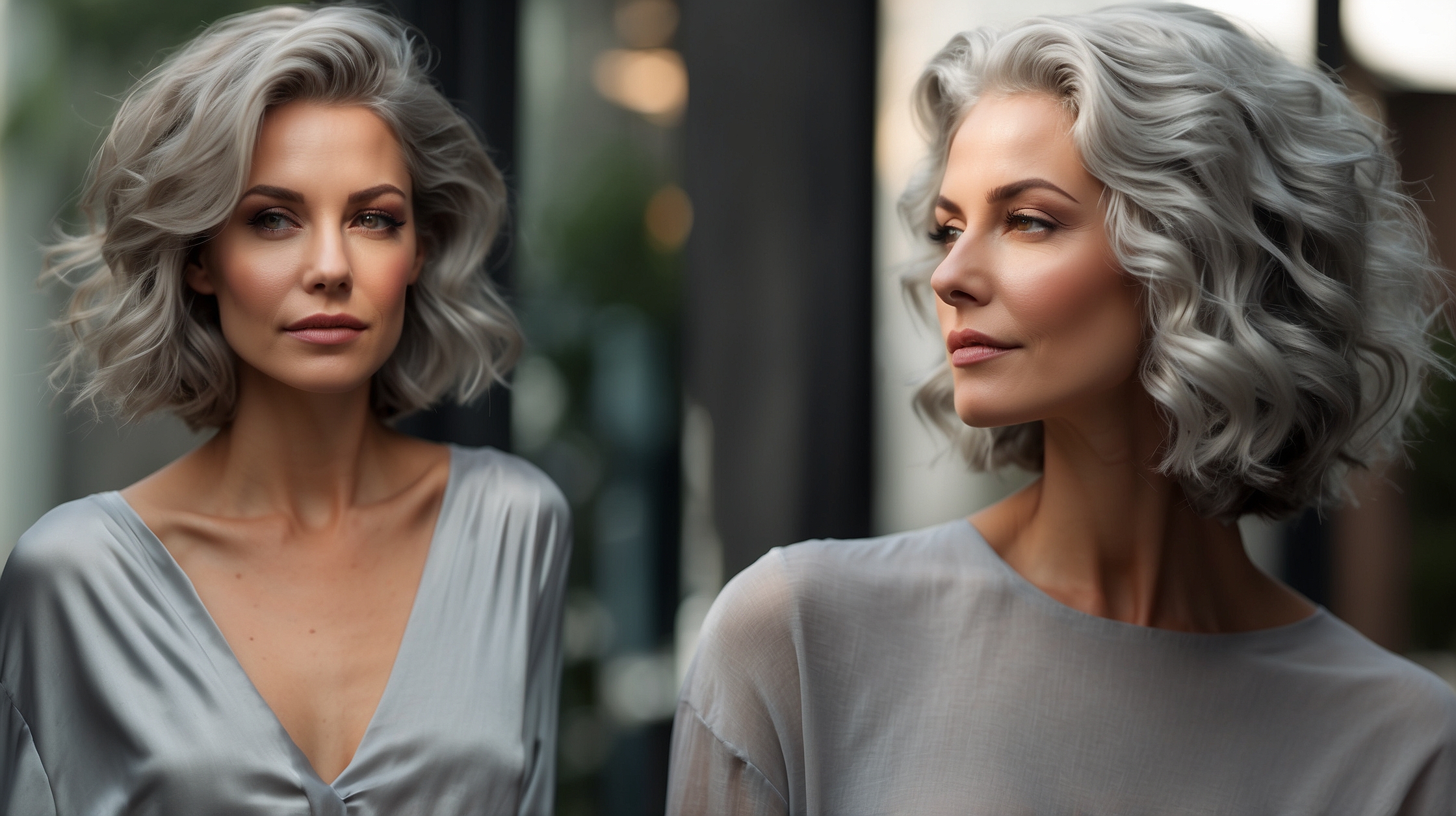
The beauty industry, long dominated by ideals centered around youth and conformity, is witnessing a seismic shift. As women challenge outdated norms and redefine standards of attractiveness, embracing gray hair has gone from taboo to trendy. Fueling this cultural pivot is the television series “Younger,” which is subtly but powerfully influencing how women see themselves and their natural hair. In shining a spotlight on characters who confidently wear their gray locks, the show challenges not just societal standards but also the billion-dollar hair dye industry built around masking the aging process.
This isn’t just a storytelling trend—it’s a larger movement rippling across beauty brands, salons, and social media. Rather than covering up silver strands, more women are choosing to highlight them. And industry giants are taking notice. From hair care products specifically designed for silver and gray strands, to a reimagination of what it means to “look vibrant,” the gray hair revolution is no longer a niche—it’s a phenomenon.
Overview: What’s driving the gray hair movement?
| Factor | Impact |
|---|---|
| Media representation (“Younger” & others) | Normalizes and glorifies gray hair for mainstream audiences |
| Celebrity influence | Public figures proudly showing natural hair helps break stigma |
| Youthful perception redefined | Youthfulness associated with confidence and authenticity, not just color |
| Consumer demand | Increased requests for gray-enhancing products, less demand for dyes |
What changed this year
While gray hair acceptance has been inching forward over the past decade, 2024 marked a turning point. The sixth and final season of “Younger” brought the conversation to a head—quite literally. Viewers were introduced to characters navigating high-powered careers and personal relationships while proudly showcasing their silver strands. These representations offered visibility to a demographic long overlooked by mainstream beauty messaging.
This coincided with a surge in gray-hair-related digital content, particularly on platforms like Instagram and TikTok, where influencers documented their journey from dyed hair to natural silver. For the first time, younger millennials and Gen Z were exposed to positive portrayals of aging—free from shame or urgency to conceal it.
Why “Younger” mattered in the beauty narrative
Set in the publishing world but rooted deeply in questions of identity and deception, “Younger” centered on a protagonist who conceals her age to re-enter the workforce. Ironically, by the end of the series, it became a symbol of authenticity and evolution. One of the show’s key characters ditches the dye and embraces her natural gray, sending a cultural signal that confidence—not camouflage—is the new gold standard of beauty.
The message resonated. Salons began reporting an uptick in consultations about transitioning to gray. Buzzwords like “silver fox” and “gray glam” began trending, indicating that viewers weren’t just watching—they were internalizing.
Impact on the hair dye industry
The ripple effect has been profound, especially financially. The global hair dye market, once projected to grow steadily through 2025, has seen a tapering of demand for traditional box dyes designed to cover grays. Instead, a new segment of silver-boosting glosses, shampoos, and treatments has captured consumer attention.
| Winners | Losers |
|---|---|
| Brands offering silver-enhancing products | Traditional hair dye manufacturers |
| Salons offering gray-transition services | Salons specializing in regular root touch-ups |
| Content creators and gray-hair influencers | Advertisements promoting anti-aging stereotypes |
Who is embracing the trend—and why it matters
The gray hair movement is notably multigenerational. Women in their 40s, 50s, and even 30s are voicing their decision to stop coloring, citing reasons ranging from health concerns to personal authenticity. The mental freedom from constant upkeep and chemical exposure plays a pivotal role, especially for a consumer base increasingly concerned with wellness and transparency in products.
I realized I was spending more time and money hiding who I was, when what I really wanted was to show up as my true self.
— Maya Jenkins, Public Speaker & Author
How beauty brands are responding
Smart beauty companies aren’t resisting the movement—they’re embracing it. New product lines aimed at enhancing shine, reducing yellowing, and protecting silver strands are replacing the outdated “cover your grays” message. Ad campaigns feature older models, not as exceptions, but as co-anchors of brand identity.
More importantly, the tone has shifted. Instead of marketing gray products as “anti-aging,” brands are using terms like “empowerment,” “authenticity,” and “natural confidence.” This vocabulary reframe signals a monumental attitude change within an historically age-averse industry.
How consumers are transitioning to gray
Going gray isn’t as simple as stopping dye applications. Women are employing a variety of methods to ease the process: lowlights, color blending, silver-toner glosses, and even wigs during awkward in-between phases. Salons have responded by offering “gray transition packages” that can range in length and price, depending on each client’s goals.
The most common request I receive now isn’t a full dye, it’s ‘help me go gray with grace.’
— Lorenzo Hall, Celebrity Colorist
Sociocultural significance of gray acceptance
At its core, the embrace of gray hair resonates far beyond surface beauty. It’s a statement against ageism, gender double-standards, and the unrealistic expectations placed upon women in both workplace and social spheres. Men have long flaunted their salt-and-pepper hues as marks of dignity and wisdom; women are finally reclaiming that narrative.
This isn’t about giving up. It’s about standing up—for visibility, for representation, and for grace as we age.
— Dr. Anita Shore, Sociologist & Beauty Culture Researcher
The future of silver in pop culture and commerce
With television, social media, and retail aligning, all indicators point to gray hair becoming an enduring fashion and lifestyle category rather than a momentary trend. From magazine covers to movie casts, silver hair is no longer coded as elderly—it’s fashionable, aspirational, and rewardingly honest.
Companies will continue to evolve, but the most lasting change may be internal. As women choose visibility over vanity and courage over cover-up, they lead us all toward a more inclusive and realistic standard of beauty.
FAQs about gray hair and the cultural shift
Is gray hair becoming more accepted in professional settings?
Yes. Especially in industries like media, fashion, and tech, leaders with gray hair are increasingly seen as authoritative and stylish, rather than outdated.
What are the best products to enhance natural gray hair?
Look for purple shampoos to reduce brassiness, shine-enhancing oils, and deep conditioners designed to soften coarse hair textures.
Does going gray make you look older?
Not necessarily. In fact, many find that embracing their natural hue brings out skin undertones and features better than artificial dyes.
How long does the transition from dye to natural gray typically take?
Depending on your method and hair length, transitioning can take from 6 months to 2 years. Partial dye techniques and blending can ease the process.
Are younger people choosing to go gray early?
Yes, there’s a growing population of women in their 30s willingly letting their gray show, as a lifestyle choice rather than waiting until middle age.
How has Hollywood responded to women going gray?
More actresses, producers, and public figures are stepping out with their silver hair, signaling growing acceptance in both media and audience reception.
Can gray hair be colored if you change your mind?
Absolutely. Gray hair can be dyed just like any other. However, maintenance and fading vary, so consult a professional if you’re considering the switch back.
Is this trend likely to persist post-2024?
Yes. With beauty brands investing in products and campaigns around gray hair, and societal values shifting toward authenticity, the silver strand is here to stay.


