
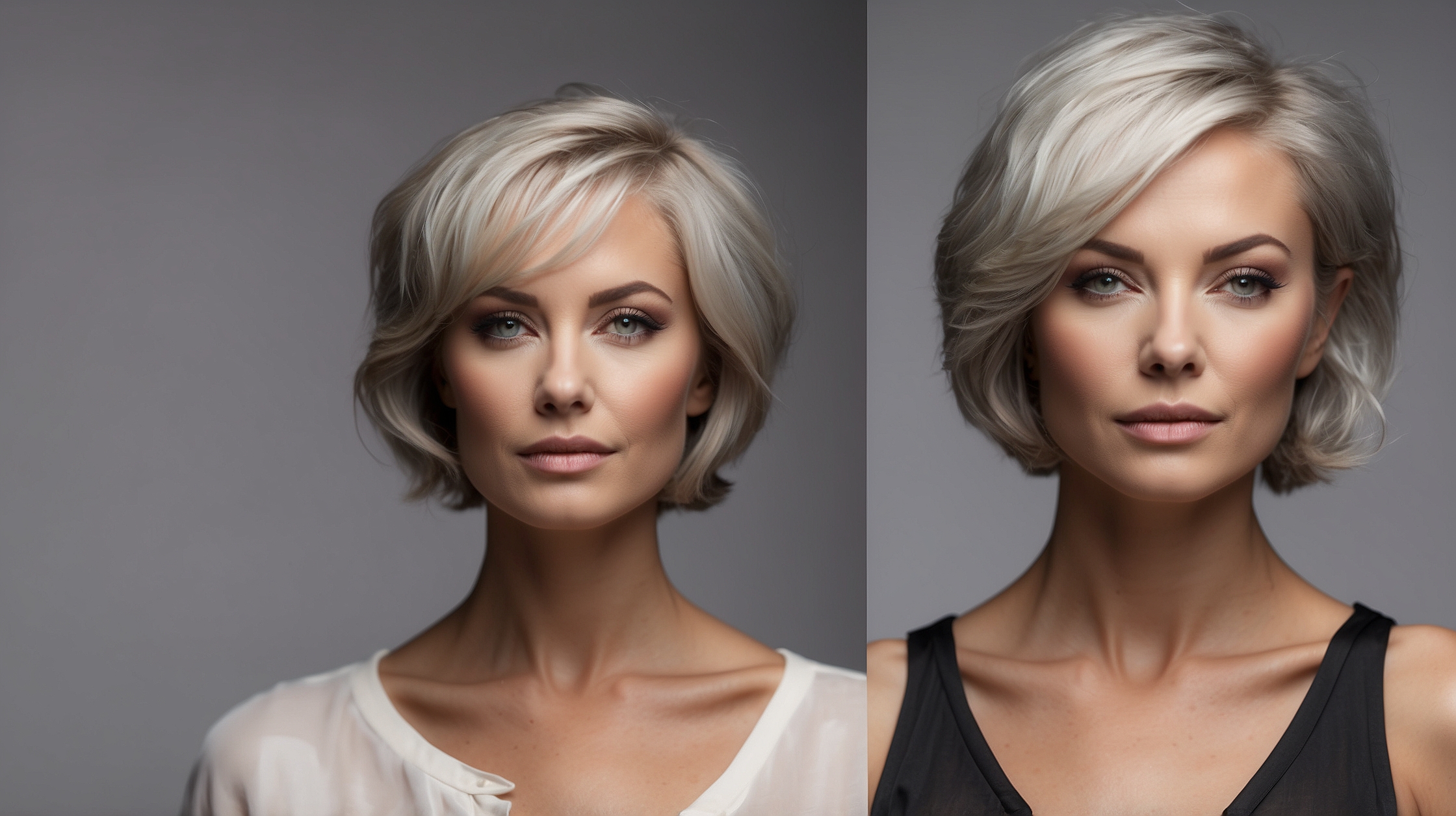
As women gracefully enter their 40s and beyond, personal style often gets a refreshing upgrade. While embracing aging can be empowering, some hairstyle choices—especially when it comes to the classic bob—can unintentionally add years rather than subtract them. The bob haircut has long been a go-to for women of all ages, but certain variations may not flatter mature features as well as others. A well-chosen bob can enhance bone structure, complement facial contours, and even make you appear more youthful, while the wrong cut can emphasize sagging or draw attention to areas you’d rather soften.
The key lies in precision—and personalization. A one-size-fits-all approach doesn’t work as facial structure, hair texture, and lifestyle all play a big role in how a haircut ultimately performs. Learning the difference between bobs that age you and bobs that elevate your look is essential, especially as you step into your 40s with more confident style choices. Whether you’re loyal to the bob or considering one for the first time, making a smart, modern tweak can mean the difference between “outdated” and “timeless.”
Here’s how to avoid bob haircuts that may age you—and what to ask your stylist for instead.
Quick overview: Bob haircuts that can age you vs. youthful alternatives
| Bob Style | Why It Can Age You | Younger Alternative |
|---|---|---|
| Severe blunt bob | Accentuates hard angles, lacks movement | Soft textured bob with layers |
| Jaw-length bob with no layers | Can draw focus to jowls or sagging skin | Shoulder-grazing bob with face-framing layers |
| Boxy undercut bob | Can appear bulky or wig-like on mature faces | Stacked bob with feathered ends |
| Flat one-length bob | Lacks volume, creating a drooping effect | Inverted bob with subtle graduation |
| Asymmetrical bob with harsh angles | Too severe and outdated for mature aesthetics | Soft asymmetry with rounded edges |
Why the wrong bob can add unwanted years
When choosing a hairstyle post-40, it’s essential to consider how features have matured. Hair naturally gets thinner, skin less elastic, and facial volume shifts. A sharply blunt bob or one that stops harshly at the chin can emphasize rather than soften these transitions. While a younger face may carry a severe angle well, a mature face benefits from softness, movement, and strategic framing.
“As we age, our facial shape changes—a haircut should complement those changes rather than fight them,” notes Beverly Hills hairstylist Jenna Lyons. “Bobs can be incredibly chic at any age, but it’s all about balance and blending harsh edges with softness.”
Classic bob mistakes often made after 40
It’s easy to default to what’s familiar, especially when a bob has been a staple haircut for years. However, holding onto outdated details like a harsh chin line or overly severe parting can age the face needlessly. Here are some common bob blunders and their modern-day updates:
The blunt bob with no movement
While popular in high fashion, a sharp blunt bob can appear too rigid on aging skin. It draws strong horizontal lines across the face and lacks the volume needed to lift the look. Instead, opt for a lightly layered bob with point-cutting on the ends to create a soft taper.
Jaw-length bobs highlighting jowls
Bobs that rest directly on the jawline can make sagging skin more noticeable. A shoulder-length variation gives space for the hair to move, adding airy softness that flatters. Subtle angles and long layers help grace the contours rather than work against them.
Overly structured or geometric bobs
Precision cuts like box bobs or stacked undercuts can easily overpower more delicate or softening jawlines. These structured shapes, especially on finer hair, can feel artificial. A softly rounded bob with feathered ends mimics the natural curve of the face, giving an instant lift in appearance.
How to choose a flattering bob after 40
Consultation with your hairstylist is key—be sure you’re on the same page regarding length, face shape, and upkeep. Here’s what to steer toward for a bob that rejuvenates rather than dates:
Ask for soft, blended layers
Layers provide movement, create softness, and help make thinning hair appear fuller. Whether you’re going chin-length or shoulder-dusting, layers are your best friend after 40. Avoid the “stacked” look that can appear dated if overly dramatic.
Consider face-framing elements
Short curtain bangs, side-swept fringe, or long pieces that frame the cheekbones can all add instant freshness. These details draw the eyes upward and soften strong facial angles.
Volume is essential
Mature hair is often finer and less dense. Choosing a cut that creates lift at the crown or includes texturizing at the roots counteracts flatness and revives your silhouette.
“Volume and movement really do take years off the appearance. Even the smallest textural changes can soften and flatter maturity.”
— Carla Moreno, Senior Stylist in NYC
What to ask your stylist instead of a trending cut
Trendy isn’t always the same as flattering, especially when aging gracefully is the goal. Here’s what to communicate with your stylist to ensure your bob feels current, sophisticated, and age-appropriate:
- “Can we soften the edges?” – Rather than going for a blunt line, ask for point-cutting or razor detailing.
- “Can we add movement?” – Movement opens up visual space and makes styles feel less severe.
- “I want lift, not layers that fall flat.” – Specify that volume is a priority, especially if your hair is fine or thinning.
- “Can we tailor the shape to my face?” – Customization is everything—your bones, hair texture, and daily routine all play into the right bob for you.
Winners and losers: Styles that help vs. hurt
| Winners | Losers |
|---|---|
| Textured layered bob | Flat, one-length bob |
| Soft angled bob | Severe asymmetrical bob |
| Shoulder-length bob with face-framing layers | Chin-length blunt bob |
FAQs: Choosing the best bob after 40
Which bob length is most flattering after age 40?
Shoulder-length bobs or those that graze the collarbone are often the most flattering. They elongate the neck and provide more movement, offering a youthful, polished look.
Can I still wear a blunt bob in my 40s?
A blunt bob can still work, but it should include softness. Ask your stylist to texturize the ends or incorporate subtle layering to prevent harsh lines from aging the overall look.
Is a layered bob better for thinning hair?
Yes, layers can add much-needed volume and lift, especially near the crown. They prevent hair from hanging too heavily and looking lifeless.
What face shape suits a bob best after 40?
Oval and heart-shaped faces can wear nearly any bob variation. For rounder or squarer faces, choose a bob with soft angles and side-swept bangs to elongate and slim the profile.
How often should I trim a bob to keep it flattering?
Every 6–8 weeks helps maintain the ideal length and shape, ensuring the haircut doesn’t droop or lose its structure.
Can bangs make a bob more youthful?
Absolutely. Wispy or curtain bangs can cover forehead lines, emphasize the eyes, and add softness that counterbalances severe bob lines.
What’s the easiest bob to maintain as I get older?
A soft angled bob with minimal layers is both stylish and easy to manage. It grows out gracefully and doesn’t require daily heat styling to look polished.
Should I dye my bob to stay youthful?
Color can significantly affect how youthful your haircut appears. Subtle highlights or balayage can add dimension and brightness, making your look fresher and more vibrant.


