
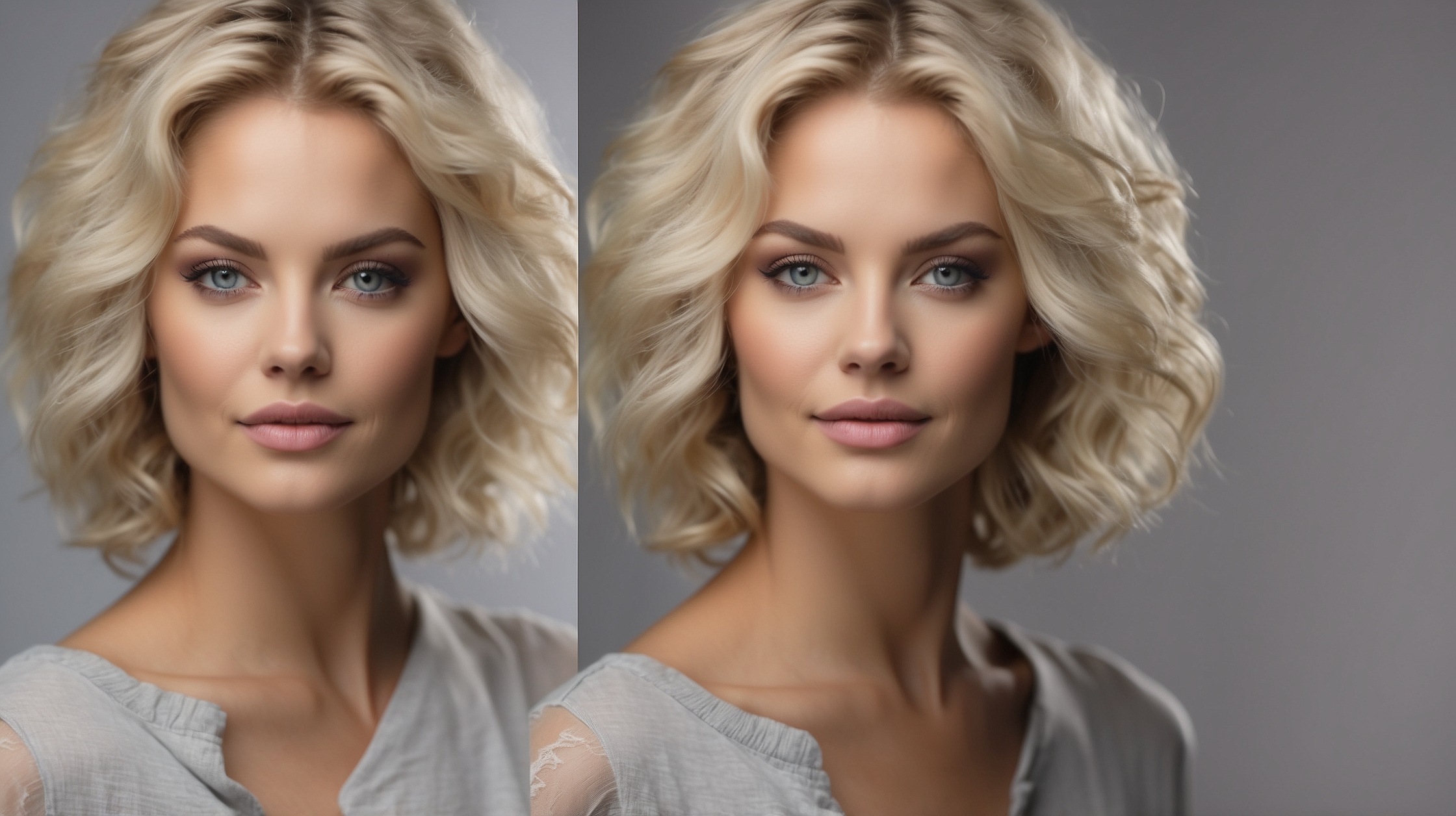
As the seasons of life change, so do our personal styles—and hair color is no exception. For women over 60 with fine hair, the right shade can illuminate a youthful glow, flatter your features, and enhance overall confidence. But just as the right hue can enhance your look, the wrong color choice could do the opposite. In fact, according to professional hairstylists, certain hair colors may age you more than you realize, especially when applied to fine, thinning hair common in the post-60 stage of life.
The natural changes in skin tone, hair texture, and facial structure mean not all hair colors are universally flattering as we age. Celebrity and senior hairstylists reveal that shades once considered bold or refined may now cast shadows on the face, dull the complexion, or magnify fine lines. With gray blending and soft dimension gaining popularity, it’s crucial to understand what to avoid if you want to embrace elegance without adding unnecessary years to your look.
So, before booking your next color appointment, read on to discover the three hair colors that may prematurely age your face, and find expert tips on choosing tones that lift, brighten, and flatter your maturing features.
Overview: Hair Colors That May Age Fine Hair Over 60
| Hair Color | Why It Ages | Better Alternative |
|---|---|---|
| Jet Black | Too harsh, emphasizes fine lines and thinning | Soft espresso or dark chocolate brown |
| Platinum Blonde | Washes out pale skin, can look brittle on fine hair | Warm honey or creamy beige blonde |
| Solid Ash Tones | Can dull complexion and create a flat appearance | Soft golden highlights or dimensional babylights |
Why hair color choice matters more after 60
As we age, our skin tone gradually loses some of its natural warmth and vibrancy. Simultaneously, our hair tends to become finer, dryer, and more prone to thinning. This makes color not just a matter of style but a strategic step to help artificially restore some of the warmth and structure that aging naturally diminishes.
Hair color also plays a vital role in contouring the face. Choosing the wrong shade can create harsh shadows or a stark contrast with the skin, highlighting wrinkles, sagging, or hollow areas on the face. On the other hand, softer, multidimensional tones can subtly frame the face, brighten the eye area, and reduce the appearance of age-related changes.
“After 60, it’s really about finding colors that work with your skin, not against it. Many women hold onto their youthful styles, but what looked striking at 30 can now pull your features down or make your hair look thinner.”
— Rachel Myers, Senior Color Specialist
The downsides of going jet black
Jet black hair is a powerful, classic shade—but one that becomes increasingly risky with age. A solid, inky black can look overly stark against aging skin. The lack of dimension can create contrast that draws attention to under-eye circles, fine lines, and uneven texture. Moreover, jet black absorbs light, which means that it lacks the natural shine and bounce that finer, mature hair desperately needs to look lively.
Stylists suggest that women over 60 with fine hair avoid black unless it’s softened with subtle highlights or a dark brown base. Dark tones are best when they incorporate warmth and reflection, such as rich espresso or dark chestnut shades that still give definition without the harshness.
“Jet black flattens your features and can make your hair look thinner than it actually is. I often recommend softening the base or adding lowlights for a more flattering, age-appropriate look.”
— Dana Holt, Celebrity Hairstylist
Platinum blonde: high maintenance with low payoff
Once considered the ultimate glam shade, platinum blonde becomes more complicated with maturity. Fine hair especially suffers under the constant bleaching processes required to achieve and maintain this icy hue. The result can be brittle, dry hair that lacks body. Worse, platinum’s cool tone clashes with the warmer undertones that naturally appear in aging skin, creating a pallor or sickly appearance.
Instead, hairstylists advise leaning into warmer blondes like honey, beige, or champagne that reflect light and complement mature skin tones. These colors are not only less damaging, but they add the illusion of depth and volume—two key components for youthful-looking styles.
And for those transitioning into gray, a soft blend of highlights and lowlights can ease the path gracefully without losing all sense of vibrancy.
Flat ash tones can dull the complexion
Ash tones—popular for their cool, modern vibe—may not be ideal for women over 60. While they can counteract brassiness, ash colors (especially when solid) lack warmth and may cause fair or mature skin to look washed out. For fine hair, ash color’s lack of reflectivity can also make the hair appear more sparse and limp.
If you’re a fan of ash tones, stylists recommend balancing them with warmer lowlights or subtle highlights. Golden tones and creamy finishes help round out the look while keeping the ash base intact. In general, dimensional coloring—such as babylights or balayage—adds youthful movement and helps fine hair appear fuller.
“Ash tones should be used thoughtfully. Without contrast, your hair and skin can both appear lifeless. A touch of gold or warm neutral tones makes all the difference.”
— Mia Franco, Hair Color Educator
What to ask your stylist instead
Next time you’re in the salon chair, consider swapping one-dimensional color jobs for more advanced coloring techniques. Ask your hairstylist about:
- Babylights: Very fine highlights that mimic natural sun-kissed strands, great for delicate fine hair.
- Lowlight placement: Adds deeper tones under the surface to increase depth and thickness visually.
- Gloss treatments: Add tone and shine without overprocessing your hair.
It’s also worth discussing your natural grays. Many stylists are now embracing silver-blending and soft transitions as fashionable, rather than fighting against the gray completely.
Hair health and maintenance for fine hair
Regardless of color, healthy hair equals younger-looking hair. Fine hair especially requires lightweight, nourishing products that hydrate without flattening the strands. Keep your hair moisturized with sulfate-free shampoos and weekly conditioning masks. Heat protection is essential when styling, as older hair is more prone to heat damage and breakage.
Limiting coloring frequency and maintaining consistent trims will also help preserve thickness and health. Well-maintained hair with the right tone will always appear fresher and more youthful, even with a minimalistic routine.
Short, flattering cuts that enhance color
Choosing the right haircut can amplify the effects of a flattering color. Styles that create volume at the crown—such as layered bobs, soft pixies, or shoulder-length cuts with face-framing pieces—help offset thinning areas and allow light to catch on different parts of the hair. These dynamic styles work hand-in-hand with modern coloring techniques to enhance dimension and youthfulness.
Consider working with your stylist to find both a cut and color that suit the texture of your fine hair, and one that reflects your personality and lifestyle.
FAQs: Hair Color Choices After 60
What is the best hair color for fine hair over 60?
Warm shades like honey blonde, soft brown, and golden highlights typically complement mature features best while adding richness and fullness to fine hair.
Should I cover my grays completely or blend them?
Blending grays using highlights or lowlights is gentler on fine hair and offers a more natural, youthful look than complete coverage.
How often should I color my hair after 60?
Every 6–8 weeks is standard, but this depends on hair growth, style choices, and how well your hair holds color. Less frequent touch-ups are ideal for fine hair.
Are cooler tones better for hiding yellow undertones in aging skin?
Not necessarily. Cooler tones may clash with mature warm-toned skin. A balanced, neutral tone with dimension more effectively flatters older skin tones.
Can changing my hair color really make me look younger?
Yes. The right color can reflect light, soften facial features, balance your complexion, and make thinning hair appear fuller, all contributing to a more youthful look.
Is platinum blonde ever a good idea for women over 60?
In most cases, it’s too harsh. If you love blonde, opt for a creamy or golden shade, and talk to your stylist about blending with your natural gray.
What’s the easiest low-maintenance color option?
Root smudging, balayage, and glosses provide subtle dimension that grows out gracefully, making them ideal for low-maintenance care.
Should I match my natural hair color?
It’s better to match your current skin tone and eye color rather than your original hair. Aging brings changes that require a fresh take on what truly suits you.


