
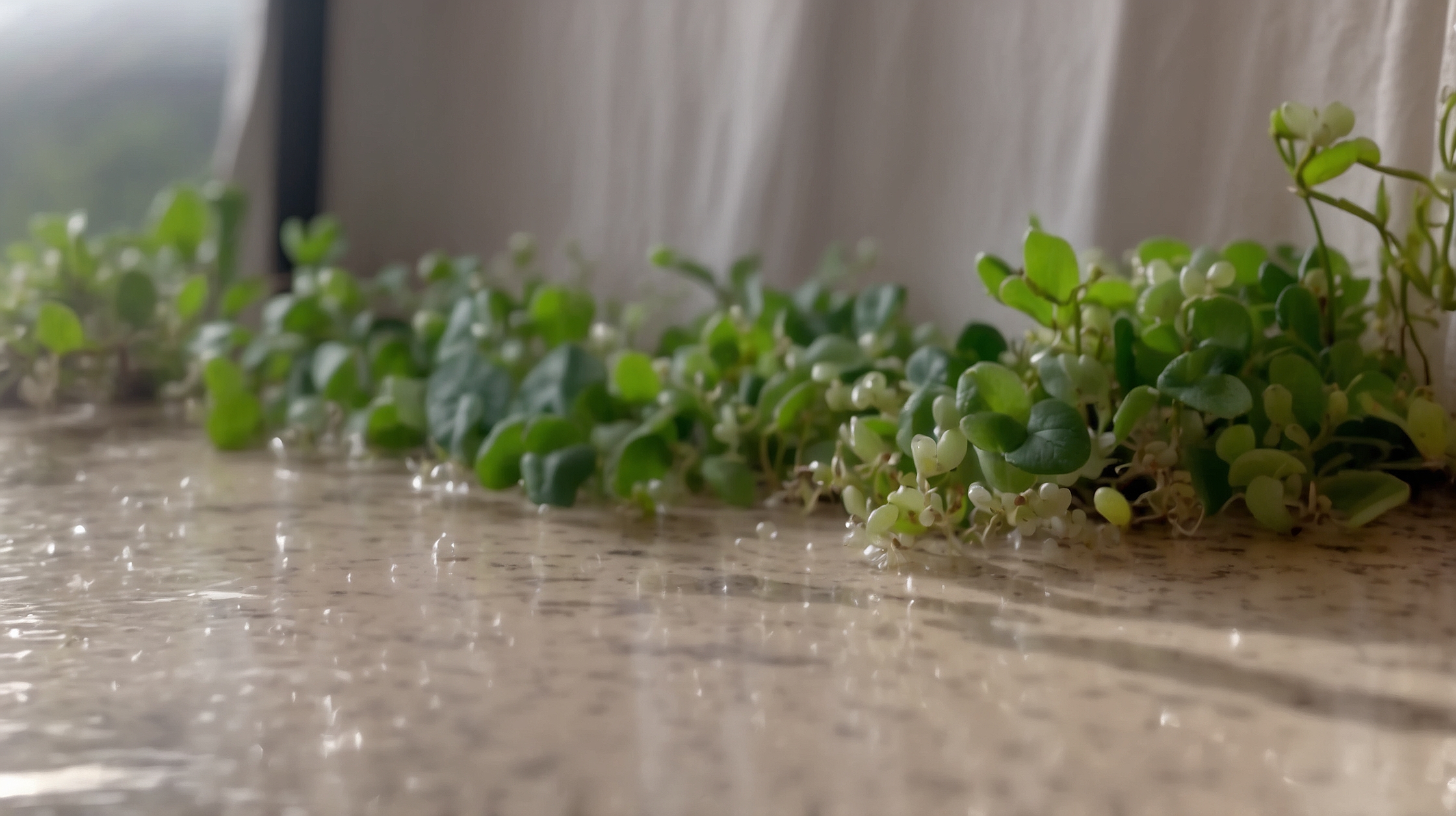
From drooping leaves to yellowing edges, not all plant distress signals are a cause for alarm. Just like humans who flush red after a jog or feel the aches of a workout, plants also undergo stress — and not all of it is bad. In fact, some types of stress can actually help plants become more resilient, grow better, and even produce more vividly colored flowers or fruits. But how can you tell the difference between normal, adaptive plant stress and a sign that your precious greenery is in trouble?
Modern horticultural science reveals that recognizing the subtle signs of plant stress is not just for seasoned gardeners — being able to distinguish between healthy and harmful stress can determine the fate of your garden or houseplants. By observing changes in color, growth, leaf behavior, and more, you can intervene at the right time — or let nature run its course when intervention isn’t needed.
In this guide, we’ll explore how to read the small signs that indicate whether your plant is thriving through adversity — or silently suffering. Learn what you can do to support optimal health for your plants while avoiding unnecessary panic or harmful overcorrecting.
Key differences between healthy and harmful plant stress
| Characteristic | Healthy Stress | Harmful Stress |
|---|---|---|
| Leaf Color | Deeper greens, richer reds/purples | Yellowing, browning, spotting |
| Leaf Position | Temporary wilting during heat returns to normal | Persistent droop or curl, brittle leaves |
| Growth Pattern | Compact, bushy, controlled | Stunted growth, leaf drop, distorted structures |
| Root Behavior | Strong anchoring roots, efficient water uptake | Root rot, soggy or foul-smelling soil |
| Environmental Cues | Hardening off due to mild drought or temperature shifts | Extreme cold, heat, or watering errors causing death of tissue |
When stress makes plants stronger
Not all stress is detrimental. In fact, certain types of manageable stress can trigger beneficial adaptations in your plants — a phenomenon sometimes referred to as “eustress.” For instance, slightly dry soil can lead to more extensive root growth as a plant searches for water, while mild nutrient limitations can trigger more efficient nutrient uptake mechanisms.
This is one of the core principles behind concepts like “hardening off” seedlings before transplanting outdoors. By gradually exposing young plants to wind, sun, and temperature changes, you trigger their internal defense systems and prepare them to survive more extreme conditions — a technique that leads to stronger stems and more robust plants in the long term.
Plants that experience small, temporary stress events often develop resilience pathways that ultimately increase flowering, fruiting, or coloration.
— Dr. Lila Navarro, Horticultural Scientist
Similarly, growing certain varieties of fruits in drier conditions can increase their sugar concentration, producing sweeter fruits. Vines like tomatoes or peppers may yield tastier crops when they’re “stressed” by controlled underwatering late in their fruiting cycle.
Warning signs your plant is in distress
Unlike adaptive stress, harmful stress doesn’t make plants stronger — instead, it begins to weaken, stunt, or even kill them. If you spot any of the following signs, your plant may be undergoing too much strain, and it’s time to investigate deeper:
- Chlorosis: Yellowing between leaf veins may signal nutrient deficiency or poor root health.
- Wilting that doesn’t resolve overnight: If plants stay limp even after cooler conditions or watering, they may be severely dehydrated or have root issues.
- Crispy or scorched leaf edges: Especially common in direct sun or from salt buildup due to over-fertilization.
- Early leaf drop: A defense mechanism in trees and larger plants to conserve energy during stress.
- Mold/fungus or root odor: Signs of overwatering, poor drainage, and anaerobic soil conditions.
If symptoms progress quickly or affect multiple leaves and branches, that’s usually not good stress. That’s a sign of systemic imbalance, and it’s important to intervene early.
— Mariah Trent, Botanical Consultant
Mistakes that cause unnecessary plant stress
One of the biggest causes of plant stress is well-intentioned but misguided care. Overwatering remains the most common cause of plant death in indoor settings. Many people water their plants on a rigid schedule rather than checking soil moisture levels — a practice that can cause roots to rot or suffocate.
Another frequent mistake is using synthetic fertilizers too often or applying them during the wrong season. High nitrogen levels during dormancy can confuse plant cycles, causing soft, weak growth that can attract pests or disease.
- Tip: Always check both soil moisture and lighting conditions before watering or fertilizing.
- Tip: Use your finger to feel 1–2 inches into the soil — if it’s wet, wait.
Environmental control and seasonal changes
Whether indoors or out, plants cycle through changes due to shifting environmental cues: light, temperature, and humidity. A plant that thrives in spring might show signs of stress in fall — and it doesn’t necessarily mean something’s wrong. Drooping or slowing of growth in winter often reflects a plant’s normal semi-dormant state.
However, sharp environmental swings — such as cold drafts on tropical plants, or sudden sun exposure on shade types — can shock plants and cause leaf drop or color fading. Monitoring these conditions can help you maintain consistency during growth seasons and protect your plants during dormancy periods.
How to help your plant recover the right way
Once you’ve identified that stress is harming your plant, act strategically rather than reactively. Start by improving one factor at a time — for example, increasing airflow if mold is present, or repotting only if you confirm root-bound conditions or poor soil drainage. Overcorrecting too quickly can lead to further shock.
When trimming away damaged foliage, always use sterilized tools to prevent spreading fungal spores or bacteria. And don’t fertilize a distressed plant aggressively; give it time to build strength naturally with proper light, soil, and moisture based on its native needs.
Think of plant recovery like rehab — you don’t throw someone into a gym after surgery. Start with small, supportive steps toward stabilization first.
— Jules Rehnold, Certified Plant Therapist
Common plants and how they display stress
| Plant Type | Typical Healthy Stress | Harmful Stress Signs |
|---|---|---|
| Succulents | Leaf coloration in sun, compact growth | Mushy base, leaf rot, etiolation |
| Tomatoes | Thicker skin, improved flavor under mild dryness | Leaf curl, blossom-end rot, stunted fruit |
| Fiddle Leaf Fig | Tougher leaf structure in bright light | Dropping leaves, brown tips, slow growth |
| Lavender | Denser fragrance in lean soils | Root rot, yellowing, soggy soil |
FAQs about plant stress signs
How do I know if my plant is overwatered or underwatered?
Overwatered plants often have yellow leaves, soggy soil, and mushy roots, while underwatered plants feel dry and have crispy leaf tips. Always test soil dampness with your finger.
Can stress make my plant bloom more?
Yes! Controlled stress like light drought or specific nutrient limitations can actually trigger blooming as a survival mechanism in many flowering plants.
Is wilting always a bad sign?
No, some wilting is normal during heat or sunlight exposure — especially midday. If your plant perks back up in evening, it’s likely just responding temporarily to environmental stress.
Should I prune stressed plants?
Only prune dead or diseased foliage. Avoid aggressive pruning during high-stress moments unless necessary to prevent spread of disease or rot.
Why do my indoor plants drop leaves in winter?
This may be a natural response to reduced light. Many houseplants enter a semi-dormant phase and drop some unnecessary foliage to conserve energy.
Can leaf color changes mean my plant is healthy?
Sometimes! Red or purple hues can emerge due to mild stress, often increasing decorative appeal — but sudden yellowing or browning may indicate harm.
What’s the best way to reduce harmful plant stress?
Ensure stable care routines: steady light, correct watering, and proper pot drainage. Observe your plant closely and adjust only one variable at a time.
How long does it take a stressed plant to recover?
Recovery time varies by plant and stressor, but with proper care, most stressed plants show signs of improvement within 2–4 weeks, especially during active growth seasons.


