
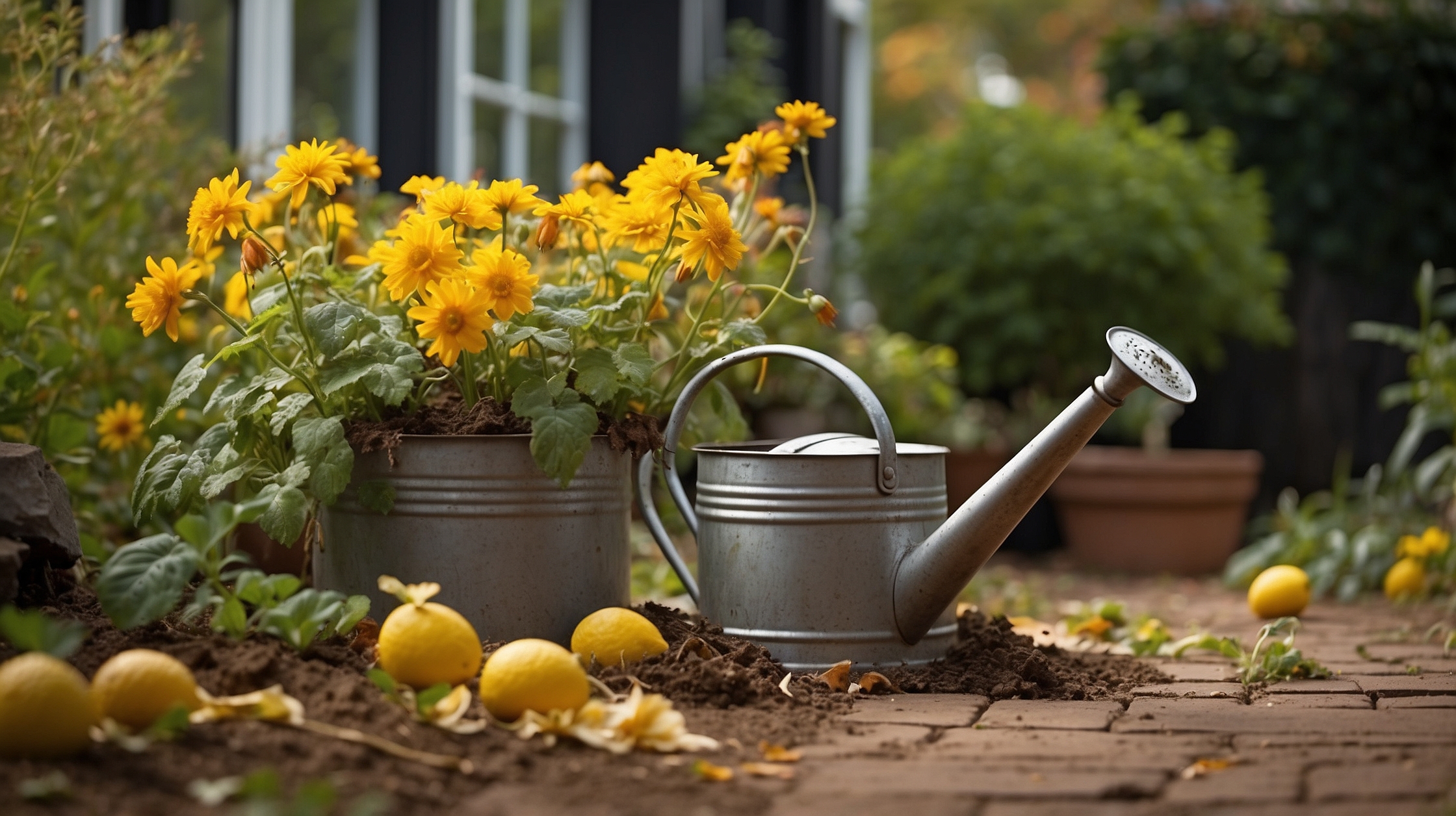
For countless gardeners, the dream of a lush, fruitful backyard during summer slowly wilts into disappointment. Plants that started strong in spring begin to falter. Leaves yellow, blooms wither, vegetables stall. Despite attentive watering, meticulous soil care, and regular pruning, their garden simply won’t thrive when the heat turns up. If this resonates, you’re not alone—and you’re likely overlooking a critical problem few people talk about: **seasonal timing mismatch**.
Many home gardeners fall into the trap of believing that diligent work and quality materials will override nature’s instincts. But the heart of the issue isn’t how hard you’re working—it’s *when* you’re doing it. Even experienced gardeners are discovering that aligning plant schedules more precisely with climate realities is now more important than ever. Rising temperatures, shifting rainfall patterns, and inconsistent seasonal cues are fundamentally altering how and when plants thrive—making the old garden rules obsolete.
The result? Gardens that once boomed under traditional care now struggle with unexpected stress. Whether you’re growing tomatoes, geraniums, or native pollinator species, understanding the evolving interplay between seasons and planting schedules has become essential knowledge for today’s green thumbs.
What’s causing summer garden failures today
| Factor | Impact on Garden |
|---|---|
| Early seasonal heatwaves | Stunts young plants before proper root development |
| Incorrect planting windows | Plants mature at wrong time, reducing flower/fruit production |
| Soil temperature mismatch | Seed germination fails or slows |
| Photoperiod confusion | Improper blooming due to changed daylight hours |
| Rainfall variability | Watering routines become ineffective or excessive |
The truth about plant timing and climate cues
Plants are keyed into **timing cues**, and those cues are rapidly changing. Traditionally, gardeners timed planting around average frost dates, assuming a predictable spring to summer transition. But warmer nights in early spring—paired with **sporadic cold snaps**—send conflicting signals to plant roots and shoots. Seeds may sprout too early, only to be later shocked by lingering chills. Or, in hotter zones, mid-summer might bring unbearable heat before a young plant has time to establish.
Additionally, **many flowering and edible plants rely on photoperiods**—the amount of light each day—to know when to grow and bloom. However, pollution, artificial lighting, and subtle shifts in climate cues can disrupt these long-honed instincts, confusing plants and gardeners alike. This is why many plant guides are now recommending **updated regional planting calendars**, often based on microclimates rather than rigid USDA zones.
When “early planting” backfires badly
It’s tempting to get a head start. Seed packets may say “plant after last frost,” but this advice leaves a wide buffer. As warm afternoons roll in, many gardeners rush to sow their beds before conditions are truly stable. Unfortunately, **soil temperatures lag behind air temperatures**—so what feels warm above ground may still be inhospitable to roots below.
“We’re seeing the consequences of people putting seedlings into cold dirt. They never take, and often rot within days.”
— Linda Crawford, Master Gardener
By jumping the gun, gardeners unintentionally block a plant’s first, most critical phase. Instead of strong root growth and resilience, they get stunted, vulnerable specimens. This often leads to mid-summer burnout, dismal yields, and an endless cycle of replanting and disappointment.
Why climate-adjusted timing is the new must-have
In the past decade, **climate adaptation has become a central theme** in professional gardening circles. Modern growers are relying on soil temperature readings, air humidity data, and even smartphone alerts to perfectly time when to begin planting or hardening off seedlings. The margin for error has shrunk, especially in zones where summer heat spikes abruptly and rain becomes unreliable.
In fact, **one of the biggest differences between failing and thriving gardens today** is not the variety of plants used—but whether those varieties were planted at the right moment. A tomato seedling started three weeks later than its neighbor may outperform it entirely if conditions better align with root development, pest cycles, and heat tolerance windows.
Crop-by-crop breakdown of seasonal mismatch effects
| Crop Type | Common Mismatch | Result |
|---|---|---|
| Tomatoes and peppers | Planted too early in cool soil | Root stunting, weak stems, blossom drop |
| Leafy greens | Planted too late into heat | Bolting, bitter taste, rapid die-off |
| Carrots and root vegetables | Midsummer sowing | Forked roots, low germination |
| Annual flowers | Planted before frost risk fully gone | Bud failure, mold, reduced bloom time |
| Herbs like basil | Delayed planting until peak heat | Burned leaves, poor oil production |
Winners and losers from seasonal shifts
| Winners | Losers |
|---|---|
| Native drought-tolerant plants | Cool-season crops like spinach or lettuce |
| Ornamentals adjusted for longer blooms | Heavy fruit-bearing plants planted late |
| Succulents, sedums, desert wildflowers | Shallow-rooted annuals with poor heat protection |
How to fix your garden timing starting this year
Success starts with **understanding your true last frost and first heat dates**—updated yearly via local weather data rather than national averages. Next, check soil temperature frequently in early spring via inexpensive probe thermometers. A good rule of thumb: most seeds won’t thrive until soil hits 60–70°F consistently.
Then, stagger your plantings to hedge your bets. Rather than sowing everything on a “Planting Day,” try short series planting across 2–3 weeks to catch the best outcomes. Also, upgrade your beds with **shade cloths or heat domes** to manipulate microclimate during critical weeks. And finally, start using new-generation planting charts crafted for urban and suburban microzones, which factor in pavement heat islands or wind corridors that old maps ignore.
What changed this year in patterns and results
Spring of this year saw **record early heat in many gardening zones**, fooling many into overplanting. By mid-May, radical cold fronts returned in the Midwest, killing off thousands of seedlings while sparing neighboring gardens that waited. Conversely, Southern gardeners saw **unexpected heavy rains**, causing soil compaction and fungal roots for those who had mulched too early with moisture-holding straw.
“We’re adapting to second-spring tactics: two windows of opportunity, weeks apart, chosen by data—not calendar pages.”
— Marcus Li, Permaculture Scientist
Short FAQs
How do I tell if my soil is too cold to plant?
Use a soil thermometer—look for consistent readings above 60°F for most summer veggies. If you can’t measure, watch for slow seedling sprouting or yellowing leaves as signs of struggle.
Should I change my planting schedule every year?
Yes, flexibility is key. Annual weather variations can shift ideal planting windows by 2–4 weeks. Track seasonal patterns in your area each year to adjust accordingly.
Is it too late to re-sow crops mid-summer?
Not necessarily. Many gardeners have success with second plantings of beans, herbs, and greens if soil is pre-cooled and shaded. Look for heat-tolerant or fast-maturing varieties.
Why do my tomato plants drop flowers before fruiting?
Likely due to heat stress or improper planting timing. Tomatoes often self-abort blossoms in temperatures above 85°F, especially if they’re still immature or overexposed.
What is soil compaction and how does it affect planting?
Soil compaction occurs when garden beds become hard and dense—often due to overwatering or heavy rains—preventing roots from spreading. This hampers growth and drainage.
Do raised beds help protect against these seasonal mismatches?
Yes, raised beds warm up faster in spring and allow better drainage. They also let you control soil types and add row cover systems more easily for climate shielding.
Can I grow cool-season crops during summer?
Only in shaded beds or with protective cloth. Most cool-loving crops will bolt or fail in summer heat but may perform in early fall’s cooler return.
How do shade cloths improve summer gardens?
Shade cloths reduce direct sun exposure and heat by up to 40%, helping sensitive plants like lettuces or herbs survive mid-day extremes without scorching or bolting.


