
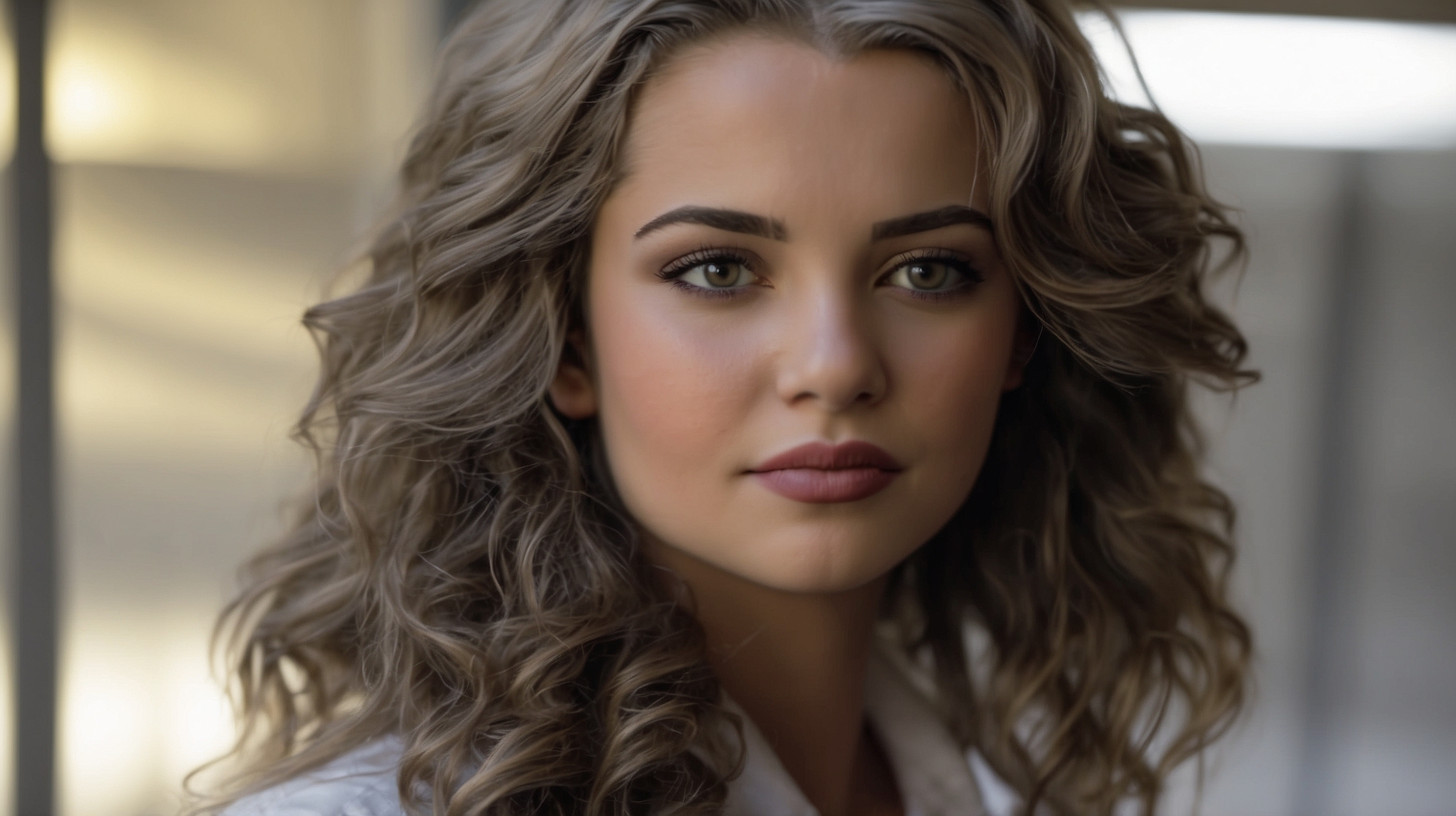
Say goodbye to traditional balayage — the era of soft grey blending has arrived, and it’s not just a fleeting trend. A revolutionary hair-coloring technique is making waves in salons and social feeds alike, promising natural-looking results, lower maintenance, and longer-lasting beauty. With an ever-growing number of people embracing their grey strands, the beauty industry wasn’t far behind in crafting a gentler, more flattering way to incorporate age confidently and stylishly into one’s appearance.
This new grey-blending technique is rewriting the rules in hair coloring, especially for those transitioning to (or already blessed with) natural greys. It’s not about covering up anymore — it’s about enhancing, blending, and celebrating grey tones in a way that requires fewer salon visits, less maintenance, and embraces authenticity. From seasoned stylists to social influencers, everyone is raving about its transformative power. This isn’t a compromise — it’s a statement.
Grey blending vs balayage: What changed this year
| Feature | Traditional Balayage | Grey-Hair Blending |
|---|---|---|
| Purpose | Lightning for contrast/highlights | Blend greys for seamless tone |
| Technique | Freehand painting on darker base | Tonal weaving and soft blending |
| Maintenance | Frequent touch-ups (6–8 weeks) | Low-maintenance (3–4 months) |
| Best For | Younger, minimal grey clients | Clients with moderate–high grey percentage |
| Styling Outcome | High contrast with warm tones | Soft gradation, natural finish |
The demand for subtle sophistication over dramatic transformation has grown, especially post-pandemic, when many allowed their natural greys to show. Enter grey blending — a meticulous technique involving tonal lowlights, highlights, and color melting to seamlessly mix greys into an overall harmonious shade. Unlike balayage, which often exaggerates contrast, grey blending enhances what’s already there.
Who qualifies and why it matters
If you’re anywhere from 25% grey to nearly fully silver, you’re a perfect candidate. Even if only your temples or widow’s peak has started to grey, blending can neutralize stark contrast without requiring full-color coverage. This humane approach to aging is liberating clients from the every-4-week coloring trap. Instead of chasing root regrowth obsessively, people are stepping into wiser, softer styles that are easier to maintain and equally, if not more, powerful visually.
“Grey blending offers a refreshed perspective on beauty. It’s not about hiding age — it’s about honoring it with style.”
— Maria Huntley, Master Colorist
In terms of applicability, it suits all hair types but particularly flatters medium to thick textures that can carry dimension well. Whether your greys are cool, warm, or salt-and-pepper, a skilled stylist can weave in complementary tones to balance and brighten. The goal? Making grey not just acceptable but aspirational.
How stylists achieve the perfect blend
Grey blending is equal parts art and science. Skilled stylists begin by assessing your natural grey distribution and undertone. Cool greys call for ashy or neutralizing tones; warm greys may require champagne or beige mixed lowlights. During the appointment, thin sections of hair are woven out and delicately painted using a foil or feathering technique—much like balayage but more precise and controlled in tone selection.
“It’s not about creating contrast—it’s about crafting continuity between what’s natural and what’s added.”
— Jason Lin, Celebrity Hair Renovation Expert
Advanced methods like root smudging and toner glazes finalize the look, ensuring there are no harsh lines of demarcation as the hair grows out. The result? A seamless transition between colored strands and your base greys, making touch-ups optional rather than essential.
Savings in time, money, and stress
Frequent salon visits can be exhausting — and expensive. With grey blending, the maintenance schedule drastically stretches out. Most clients can go 12–16 weeks between appointments. Not only do you save hundreds annually, but you also reclaim peace of mind knowing that root shadow or mid-length greys are no longer “urgent” problems to fix.
“Clients no longer dread the in-between stage. They feel empowered during the grow-out, not hostage to it.”
— Ellie Garrison, Salon Owner & Educator
What’s more, the process uses fewer harsh chemicals than tradition root-covering dyes. That makes it inherently gentler on the scalp and strands, reducing damage build-up over time. Long-term, your hair feels stronger, healthier, and more authentic in hue.
What shades work best for grey blending
The key to a successful grey blend lies in tonal harmony. Here’s how various shade families contribute to flawless results:
- Ash and silver blonde: Neutralize brassiness and reflect natural cool greys
- Champagne and beige: Perfect for warming the tone without heavy pigment
- Mushroom brown: Earthy for brunettes shifting towards natural silvers
- Pearl and platinum: High-cool tones for icy grey enthusiasts
Consultations typically include a strand test to avoid over-toning or dulling. Remember: the end goal is fluidity, not flatness. The magic is in multidimensional layers of grey-friendly color that plays with light — just like youthful hair once did.
Pros and cons: Understanding the trade-offs
| Winners | Losers |
|---|---|
| Clients with 25%+ natural grey | People who want bold fashion color or solid coverage |
| Those seeking low-maintenance routines | Clients uncomfortable seeing any grey at all |
| Stylists skilled in tonal blending | Old-school salons using single-process dye only |
While grey blending is insightful and empowering, it’s not for everyone. Clients who prefer a uniform, jet-black or rich red tone may find the transparency too muted. However, for those easing into their silver era, it’s a bridge between aging and artistry that beautifully celebrates maturity without the use of harsh lines or monotone block color.
How long does the appointment take compared to balayage
Expect appointments to last between 2.5 and 4 hours, depending on starting condition and target look. While initial visits may be time-intensive, the long-lasting result means you’ll spend far less time — and money — in the chair over a year. Subsequent visits may drop to under 90 minutes for refreshes or toner updates.
Are we done with balayage? Not entirely
Many stylists now use modified balayage techniques as part of grey blending. Softening a transition zone, feathering toward ends, or enhancing depth with face-framing pieces are still technically balayage moves — but the purpose has shifted. We’re no longer chasing beachy highlights. Now the mission is maturity with movement and grace.
“Think of it as evolution, not eviction. We’re maturing with our clients, not resisting change.”
— Rita Lopez, Senior Color Consultant
Short FAQs: Common questions about grey-hair blending
Is grey blending permanent?
Most grey blending uses demi-permanent or semi-permanent color that gradually fades over 8–12 weeks, making it perfect for gradual growth and natural transitions.
Does grey blending damage hair?
No. It typically uses less aggressive color agents than permanent dyes and applies product selectively, preserving more of your natural strand health.
Can I go grey all at once?
Yes, but grey blending allows you to transition naturally, minimizing shock and growing confidence along the way.
Will this work on textured or curly hair?
Absolutely. Stylists tailor the blend to match your curl pattern and density, ensuring a flattering and natural look.
Is this more expensive than traditional coloring?
The upfront cost may be slightly higher, but the longer time between appointments typically balances or reduces yearly salon expenses.
Can men do grey blending too?
Definitely. While most marketing targets women, more men are requesting subtle grey integration techniques that reduce harsh signs of grey onset without full coverage dye.
How do I maintain grey blending at home?
Use sulfate-free shampoos, purple toning as recommended, and limit heat styling to avoid color fade. Regular gloss treatments help, too.
When should I get a touch-up?
Most clients wait 3–4 months before a refresh. However, toners may be reapplied between visits depending on your hair type and daily care.


