
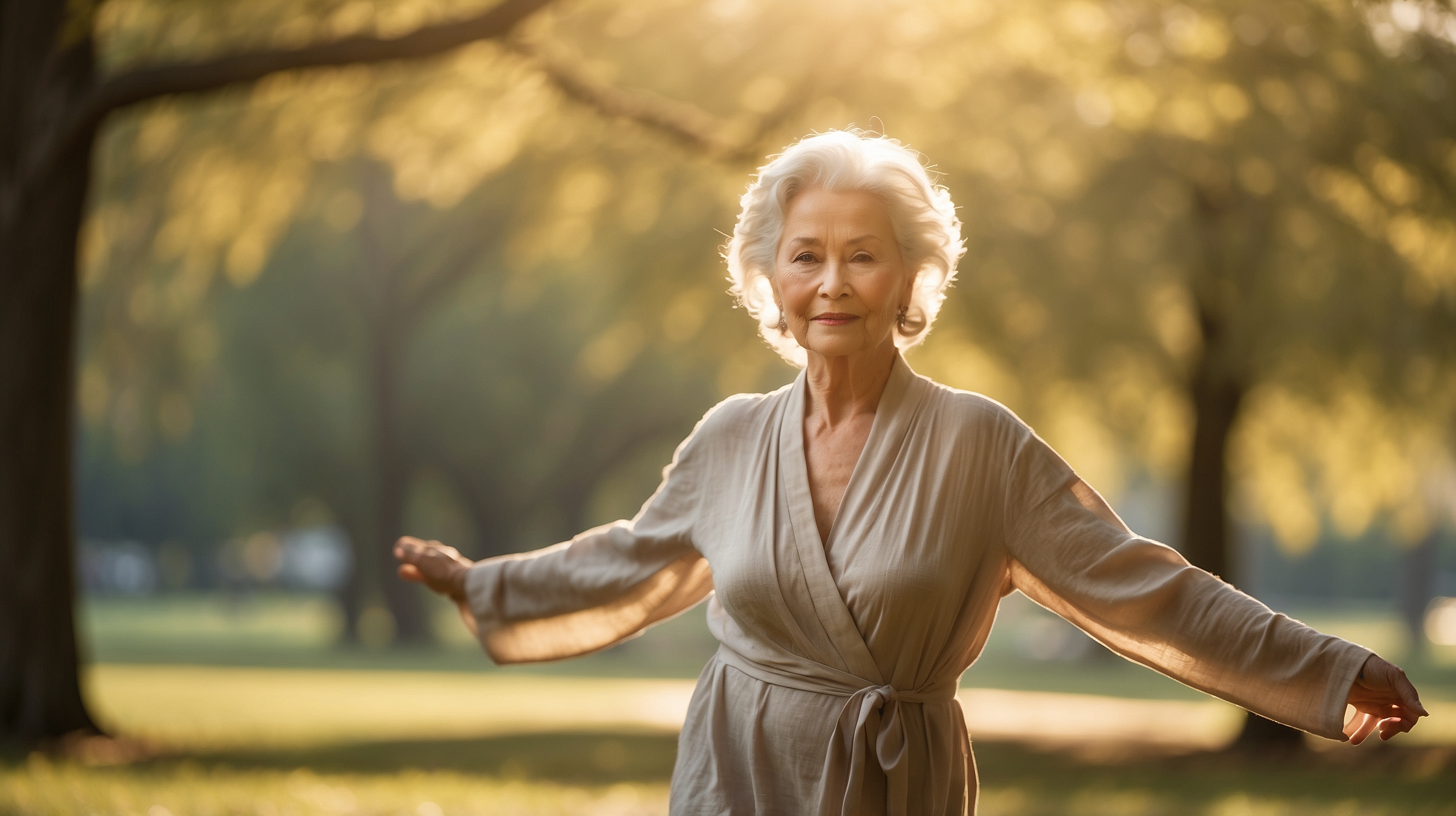
In a society that often equates youth with vitality, a powerful new photo project is breaking stereotypes by showcasing what strength, balance, and joy look like after the age of 70. A photographer’s lens has captured the daily movement journeys of older adults who defy expectations—stretching, dancing, walking, stretching, and even skateboarding—each frame celebrating life, agility, and spirit in later years. This intimate photo series is an inspiring testament to the human body’s resilience and how commitment to movement plays a transformative role, regardless of age.
These images do more than document—they invite a reexamination of what aging means. They highlight that movement in advanced years is not merely possible—it is deeply powerful. From graceful yoga stretches in golden-hour parks to elderly couples dancing on urban sidewalks, the theme is clear: mobility isn’t just for the young. The subjects of these photos are living proof that staying active isn’t just about fitness; it’s about connection, purpose, and joy.
Overview of Movement After 70 Photo Story
| Project Name | Movement After 70 |
| Theme | Empowerment through physical movement in later life |
| Photographer | [Name undisclosed] |
| Subjects | Individuals aged 70 and older |
| Activity Types | Yoga, walking, dancing, tai chi, skateboarding |
| Captured Locations | Urban parks, homes, sidewalks, gyms |
| Core Message | Aging bodies are strong, capable, and joyful |
Why this narrative matters right now
The timing of this photo essay couldn’t be more significant. As global populations age, especially in developed nations, the narrative around aging is shifting. According to health data across communities, older adults are not only living longer but aiming to live more actively and vibrantly. Yet media depictions often fail to reflect this reality, too frequently painting later life in gray tones of fragility or decline. This visual story serves as a counterbalance, drawing on the real-life experiences of older adults who move with confidence, intention, and even elegance.
Moreover, as conversations around health and wellness become more inclusive, recognizing diversity in age is essential. The photo series invites younger generations to rethink what aging might look like for them—and inspires older adults to continue or even begin their movement journeys later in life.
The stories behind the movement
Among the photos, one image shows a 74-year-old woman stretching near an old sycamore tree at sunrise. Another captures an 82-year-old man mid-stride performing tai chi in a public square. But these aren’t just moments frozen in time; they’re stories of discipline, healing, and exploration. Many of the featured individuals have battled chronic conditions, loneliness, or personal loss. Yet, through movement, they’ve found restoration and even joy.
Take Emma, age 76, who discovered dance again after the death of her spouse. Her movements now express the emotional release that words couldn’t convey. Or Jonathan, a retired teacher, who took up gardening and power walking after joint surgery. The personal impact of movement is as varied and textured as the lives of the people represented.
This project celebrates not just aging bodies, but the souls that inhabit them. Movement is a language they speak fluently—with grace and power.
— Placeholder for Photographer’s Statement
Breaking stereotypes through imagery
One of the most profound contributions of this project is how it visually disrupts ageist assumptions. We often see aged bodies through the lens of limitation. But in these photographs, wrinkles and gray hair are paired not with passivity but with balance and activation. A woman in her late 70s is shown holding a yoga pose on a rooftop, her posture solid and grounded. An elderly man in sweats is captured mid-jump, playing hopscotch with his grandson.
The goal is not to glorify or romanticize aging but to humanize it. Photographs, more than words, convey immediacy and emotion. They show strength not as the absence of frailty but as the ability to engage with life fully, regardless of age.
Health benefits of movement after 70
While the aesthetics are stunning, the health implications are equally important. Staying physically active after 70 can significantly lower the risk of chronic illnesses, falls, and cognitive decline. Light to moderate activity such as walking, dance, or resistance training improves cardiovascular function, joint mobility, and even mood.
Movement isn’t just about fitness. It’s about retaining autonomy, connection, and joy—even in our eighth or ninth decade of life.
— Dr. Sandra Lin, Geriatric Specialist
In fact, research has shown that consistent movement can even extend lifespan. More crucially, it can improve the quality of those additional years. Movement becomes a vehicle for maintaining not just physical capability, but confidence and social connection too.
How community shapes longevity
Several of the subjects featured in the photo essay cite a shared class or walking group as a turning point in their lives. Community-driven movement programs, like neighborhood walking clubs or public tai chi classes, compound the mental health benefits of exercise. Companion activity reduces feelings of isolation and can even spark new friendships or romantic relationships—unexpected bonuses of an active lifestyle.
Whether it’s swaying to a band in a local square or gardening alongside neighbors, movement facilitates a sense of belonging. And it’s this belonging that often extends well-being beyond what any fitness routine alone could accomplish.
Why representation in aging visuals matters
Visual media constructs our realities. If every image of old age suggests fragility, decline becomes a self-fulfilling prophecy. By portraying older adults in active roles—doing yoga, walking confidently, or balancing on an exercise ball—this project offers a counter-narrative. It tells both the observer and the subject: you are still fully alive, expressive, and capable.
Imagery builds belief. When older individuals see themselves represented as vibrant, they begin to believe they can be.
— Lila Martinez, Creative Aging Advocate
The cultural shift this suggests ripples beyond the subjects of the photos. Children, caregivers, and practitioners also benefit by seeing aging reframed not as a period of withdrawal, but of continued engagement.
Next steps for the project and movement
There are plans to turn this collection into a traveling exhibit and possibly a printed book. Workshops on aging and movement are also being hosted in conjunction with the exhibit, where attendees can engage not only with the art but also with guided practices like seated yoga and mindful walking.
Most importantly, this project isn’t about any single person but rather a movement—an invitation for all of us to reimagine aging in more radiant, active hues. It challenges all generations to consider: How do we want to age? And what stories will our bodies tell?
Frequently Asked Questions
What kind of movement is safe for people over 70?
Low-impact activities like walking, swimming, yoga, and tai chi are widely recommended. It’s best to consult a healthcare provider before starting any new routine.
Is it too late to start exercising after 70?
No, it’s never too late. Many seniors begin activity programs in their 70s or 80s and experience significant benefits including improved balance, strength, and mood.
How often should seniors engage in movement?
Experts recommend at least 150 minutes of moderate activity per week, broken into manageable sessions like daily 30-minute walks or stretching routines.
Can exercise impact mental health in older adults?
Yes. Regular movement reduces symptoms of depression and anxiety, improves sleep, and enhances cognitive function, helping to prevent decline.
What equipment is needed for seniors to stay active?
Very little. Comfortable shoes, a yoga mat, or resistance bands may help, but even bodyweight exercises or walking require minimal gear.
Are there programs focused on movement for older adults?
Yes. Many communities offer senior aerobics, chair yoga, walking groups, and wellness workshops tailored specifically for people over 65.
Can older adults with mobility issues still benefit from movement?
Absolutely. Seated exercises, water aerobics, and other adaptive formats provide movement options for varying mobility levels.
Where can photos from this project be seen?
The collection is being prepared for public exhibits and may soon be published in print, with select images shown at wellness and art venues.


