
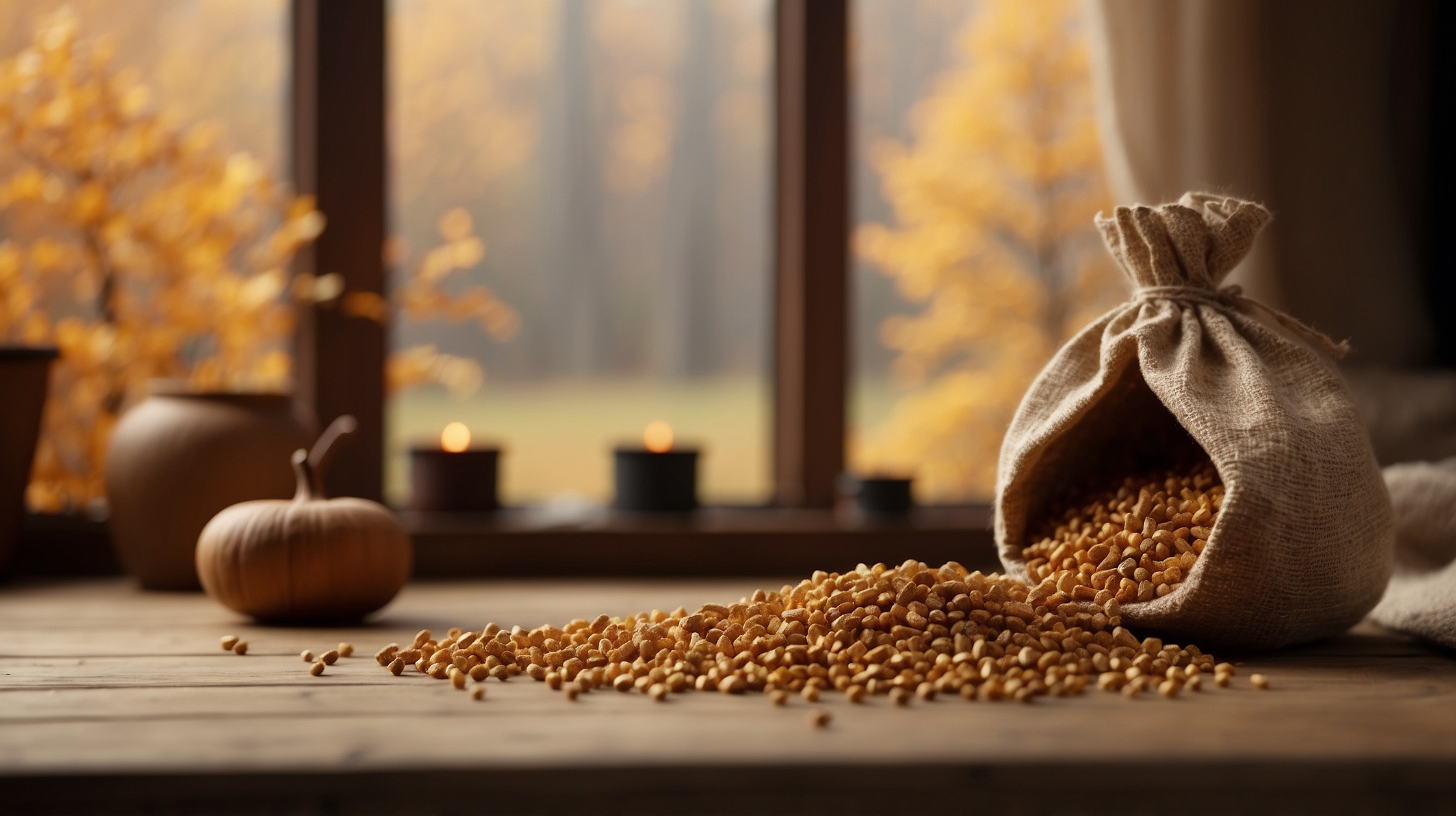
As energy prices remain volatile and households continue to feel the financial pinch, more UK residents are turning to a surprisingly efficient alternative: wood pellets. This sustainable form of biomass fuel is rapidly gaining attention as a discreet yet powerful heating solution that could shave hundreds off heating bills if adopted before autumn hits. Though often overlooked, wood pellets offer a compelling mix of affordability, efficiency, and eco-friendliness—making this the smartest time to consider making the switch.
With gas prices projected to remain high and uncertainty around future energy tariffs, the shift to renewable and off-grid heating solutions is becoming essential. Interest in wood-burning stoves and pellet boilers has surged recently, especially among rural homeowners and those looking to reduce their dependency on the national grid. Whether you’re upgrading your home heating system or seeking a backup for colder months, understanding how to use wood pellets could be the cost-saving change your household needs.
Wood pellets for heating: Overview
| Fuel type | Compressed wood or biomass pellets |
| Used in | Pellet stoves and biomass boilers |
| Primary benefit | Cheaper and more sustainable than gas or electric heating |
| Cost savings potential | Up to 30% annually compared to oil or LPG heating systems |
| Best suited for | Off-grid homes, rural properties, eco-conscious households |
| Initial investment | £2,000–£5,000 for pellet stove; £6,000–£12,000 for biomass boiler |
| Government support | Potential grants or financing schemes available |
Why wood pellets are gaining popularity now
Fuel insecurity and climate change awareness have prompted a spike in demand for renewable heating solutions, and wood pellets sit at the intersection of environmental responsibility and long-term affordability. Wood pellets are made from compressed sawdust and waste wood, often a byproduct of the timber industry, making them both accessible and sustainable. Unlike traditional wood logs, pellets burn more evenly and cleanly, producing less ash and emissions.
Another driving factor is the rising cost and scarcity of oil and LPG, especially for homes in rural areas not connected to the gas grid. In these areas, heating bills often surge in the winter, prompting residents to seek alternative energy sources. Wood pellet boilers and stoves have become a practical solution, delivering reliable warmth while using a fuel source that’s less volatile in price and more environmentally sound.
What changed this year
A combination of heightened energy costs and stronger government backing has made wood pellet heating more attractive than ever. In 2024, fuel poverty numbers continued to rise, and many households faced record-breaking quarterly bills. The urgency to find alternatives came alongside an expansion in awareness campaigns promoting renewable heating technologies.
Concurrently, the UK government’s commitment to achieving net-zero emissions by 2050 is pushing more homeowners toward low-carbon alternatives. The rollout of clean heat incentive schemes and financing assistance has made it easier for people to afford the upfront cost of switching to pellet-based heating systems.
How wood pellets work in home heating
Wood pellets are used in specially designed pellet stoves or biomass boilers. These appliances burn the pellets in a highly efficient combustion chamber, with a feed mechanism controlling the release of pellets to maintain a consistent burn rate. Pellet stoves can be used to heat individual rooms, while biomass boilers are often connected to central heating systems to supply warmth throughout a property.
Some advanced models even allow for programmable thermostats, app-controlled settings, and self-cleaning features for minimal maintenance. The heat output from pellets can rival traditional fossil fuel systems and, due to lower emissions, are considered one of the cleanest biomass heating methods available today.
Installation and cost considerations
The initial expense of installing a pellet stove or biomass boiler can be significant, but the long-term savings and low fuel costs make up for it over time. A typical standalone pellet stove costs around £2,000 to £5,000 depending on capacity and quality, while a full biomass boiler system might fall in the £6,000 to £12,000 range.
However, eligible homeowners may access financial help through government grants or green energy finance providers. Additionally, pellet delivery and storage should be taken into account—though most suppliers offer a bulk delivery option for lower ongoing costs.
Winners and losers from the shift to wood pellets
| Winners | Losers |
|---|---|
| Off-grid homeowners seeking low-cost heating | Traditional fossil fuel providers losing market share |
| Environmentally conscious households | Users seeking ‘plug and play’ heating systems (pellet systems require maintenance) |
| DIY renovators upgrading insulation and heating | Inner-city homes with space limitations for pellet storage |
Who benefits the most from wood pellets
The switch to wood pellets is especially beneficial for rural residents or those disconnected from gas mains who suffer from rising LPG and heating oil prices. Additionally, elderly residents or homeowners retrofitting older properties often find pellet stoves a convenient way to maintain comfortable temperatures in core rooms while reducing whole-house heating costs.
The carbon footprint of those using wood pellets also drops significantly. This adds appeal to households looking to qualify for eco-certifications or sell homes that meet higher green property standards. Families with children can also experience health benefits, as pellet systems produce less indoor smoke or particulate pollution, compared to old wood burners.
Common drawbacks and how to overcome them
A key challenge is space—pellet systems require onsite storage for the fuel, and not all homes have the room. Also, unlike electricity-based heating, pellet systems need regular maintenance such as ash cleaning and consistent fuel feeding, though newer models have automated much of this process.
One way to overcome these obstacles is to install a hybrid system—combining solar or electric heat with pellets for colder months. Government support and specialist installers can help you navigate options that suit your property layout and lifestyle needs.
“We’re seeing more interest in pellet heating from people who previously relied on tanked oil. They’re realising these systems are cleaner and can save them money over time.”
— Emily Saunders, Renewable Energy Specialist
Final outlook for 2024 and beyond
Experts predict strong growth in the adoption of pellet heating systems through 2024, as policy support, rising energy costs, and consumer awareness continue to intersect. Homeowners who act now, before autumn demand spikes, may not only lock in lower installation prices but also enjoy measurable savings as temperatures drop.
There’s never been a better time to rethink how we heat our homes. As pellet technology becomes more accessible and efficient, the quiet revolution of the wood pellet may soon be powering a much warmer—and greener—winter future.
Frequently asked questions about wood pellets
Are wood pellets cheaper than gas for heating?
For many off-grid homes and rural properties, wood pellets are significantly cheaper than electricity or LPG. On average, they can reduce annual heating costs by up to 30%.
Can I install a wood pellet stove myself?
While DIY installation is technically possible, it’s highly recommended to use a certified installer to ensure safety and compliance with local regulations.
How do I store wood pellets safely?
Wood pellets should be stored in a dry, covered area to prevent moisture absorption, which can degrade performance and cause clumping.
Do wood pellets produce a lot of ash?
Pellet fuel produces very little ash—often less than 1% of its volume—making it a cleaner alternative to traditional firewood and coal.
Are there any government grants available?
Yes, depending on your region and household income, you may qualify for subsidies or green energy finance schemes that reduce upfront costs.
What’s the average lifespan of a pellet stove or boiler?
With regular maintenance, a quality pellet stove can last 15–20 years, while biomass boilers typically offer around 20 years of usage.
Can I use any type of wood pellets?
Only clean, premium-grade pellets manufactured for heating should be used. Industrial or animal bedding pellets may contain contaminants and should be avoided.
How environmentally friendly are wood pellets?
Wood pellets are considered carbon-neutral because the CO2 released during combustion is offset by the regrowth of the biomass source, making them a sustainable fuel option.


