
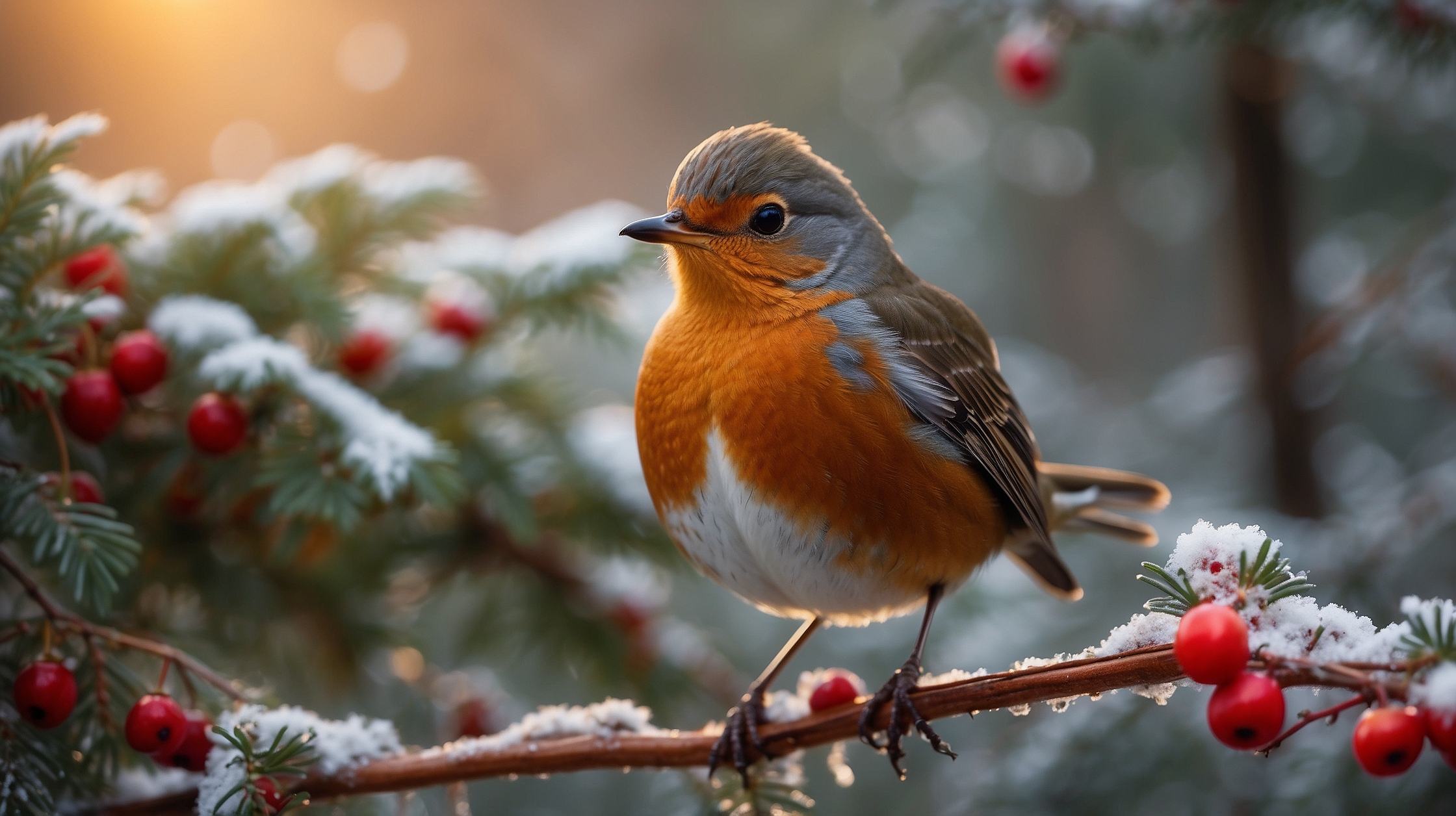
As the crisp chill of winter sets in and many birds head south for warmer climates, one familiar feathered friend continues to make regular appearances in backyards across the country — the American robin. If you’ve noticed more robins clustering in your yard or garden every winter, you’re not alone. Birdwatchers and casual observers alike are increasingly spotting these red-breasted songbirds in colder months, defying the common belief that robins are strictly migratory. But what’s drawing them to suburban gardens during the snow-covered seasons?
According to bird experts, there’s a surprising but powerful reason behind the robin’s midwinter loyalty to certain backyards — a particular fruit that remains accessible and packed with calories when other food sources vanish. Not only do these berries provide essential sustenance in the harshest conditions, but they may also influence robin behavior at a larger ecological scale. Understanding why these birds stick around can help homeowners and bird enthusiasts better support wildlife through winter, while enjoying the musical chirps of an iconic American favorite.
Why robins are showing up more often in winter
| Topic | Details |
|---|---|
| Common Behavior | American robins increasingly overwinter in northern regions |
| Main Attractant | Berries, particularly crabapples, provide a critical winter food source |
| Preferred Habitats | Backyards with fruiting trees, shrubs, and water sources |
| Ecological Impact | Supports wildlife biodiversity during colder months |
| Best Practices | Plant native berry-producing trees and avoid pesticide use |
The berry robins can’t resist
While robins have varied diets in spring and summer — feasting on earthworms, caterpillars, and beetles — the wintertime landscape dramatically shifts those options. That’s where fruit-producing trees like crabapples come into play. Unlike many fruits, which decay quickly or get consumed by early migrators, crabapples often persist on the branches well into the coldest months, making them a reliable feast for robins when other resources disappear.
“Crabapple trees are one of the last standing ‘supermarkets’ for birds during winter,” says ornithologist and wildlife habitat consultant Joanne Fraser. “The fruits may freeze and thaw through the season, which actually softens them and makes them easier for robins to digest.”
Robins will return to the same crabapple tree year after year — it’s their winter buffet line.
— Joanne Fraser, Ornithologist
This dependable source of food, especially in backyards that also provide shelter from elements, is a key reason why robins are changing their migratory patterns, choosing instead to hunker down in fruit-rich suburban gardens.
Why robins no longer migrate strictly south
Historically, robins were considered migratory birds, heading to the southern United States and beyond during the colder months. However, recent decades have seen changes in their behavior. Several factors contribute to this notable shift:
- Urban landscaping has introduced more year-round fruiting trees like crabapples, holly, and hawthorn.
- Climate change has led to milder winters in many regions, reducing the need to travel far for survival.
- Abundant food and shelter in suburban environments offer robins safe harbor through the season.
When conditions allow, robins prefer to stay close to ample food sources rather than fly hundreds of miles. This adaptation conserves energy, increases winter survival, and has cascading benefits for local ecosystems.
Plants that keep robins close to home
If you’re interested in transforming your garden into a robin-friendly winter habitat, focus on trees and shrubs that produce berries across the seasons. The most appealing fruits are those that persist into late fall and beyond.
- Crabapples (Malus spp.) – Often remain on trees into January; favored by many birds.
- Winterberry holly (Ilex verticillata) – Bright red berries stand out in snowy landscapes.
- American holly (Ilex opaca) – Evergreen and attracts multiple bird species.
- Serviceberry (Amelanchier spp.) – Early fruiting but can still attract robins into early winter.
- Sumac (Rhus spp.) – Loved by robins when softened by snow or rain.
Experts recommend planting native varieties whenever possible and avoiding ornamental species that may have lower nutritional value or less persistence through the winter season.
How to make your yard more inviting for robins
Robins are more likely to visit — and return to — gardens that feel safe and offer more than just food. Here’s a quick checklist to encourage their winter visits:
- Provide clean, unfrozen water in birdbaths or shallow containers
- Leave leaf litter where worms and insects might live — robins sometimes forage even in winter warmth
- Resist pruning berry-bearing shrubs until early spring
- Eliminate use of pesticides and herbicides
- Offer natural shelter via dense shrubs or evergreens
Even in winter, robins look for cover — evergreens, bushes, garden corners. They need warmth and safety.
— Miguel Sanchez, Backyard Wildlife Educator
Robins play a bigger ecological role than you think
Beyond their pleasing song and cheerful presence, robins contribute substantially to urban and suburban ecosystems. Their winter foraging behavior helps disperse seeds from leftover berries, supporting the proliferation of native plants. They also remain vigilant predators of overwintering larvae and insects, helping balance local pest populations even in cold months.
Encouraging robins to overwinter may have beneficial downstream impacts on gardens, flora regeneration, and the broader food chain — especially as other seasonal bird populations dwindle.
Final thoughts from birding experts
Seeing robins in your yard during winter isn’t just a fluke — it’s a sign that your garden is serving a greater purpose in the cycle of nature. With a few thoughtful choices, like planting crabapple trees and providing fresh water, you can keep feeding this vital connection between birds and the environment year after year.
People are amazed to see robins in snow, but once they understand the food factor, it all clicks.
— Rachel Landers, Certified Master Naturalist
Frequently asked questions about winter robins
Do all robins migrate in winter?
No, not all robins migrate. Many form flocks and stay in areas where food is still available, especially where berry-rich trees like crabapples grow.
Why are crabapple trees so important to robins?
Crabapples remain on trees through winter and provide high-energy food when insects and other fruits are gone.
What other foods do robins eat in winter?
Besides berries, robins may eat dried fruit, softened insects from leaf litter, and occasionally visit feeders with fruits and suet.
Is it okay to feed robins in winter?
Yes. While they rarely visit seed feeders, you can offer chopped fruit or raisins soaked in warm water.
Are male and female robins equally likely to stay in winter?
Yes, both male and female robins can overwinter as long as conditions are suitable.
How do I keep my birdbath from freezing?
You can use a birdbath heater or place warm water outside regularly. Running water also resists freezing better than still water.
What time of day are robins most active in winter?
Robins are generally most active in the morning when they feed heavily before the coldest parts of the day.
Should I worry if I don’t see robins every day?
No. Winter robin flocks move between food sources, sometimes miles apart, and may return periodically depending on berry availability.


