
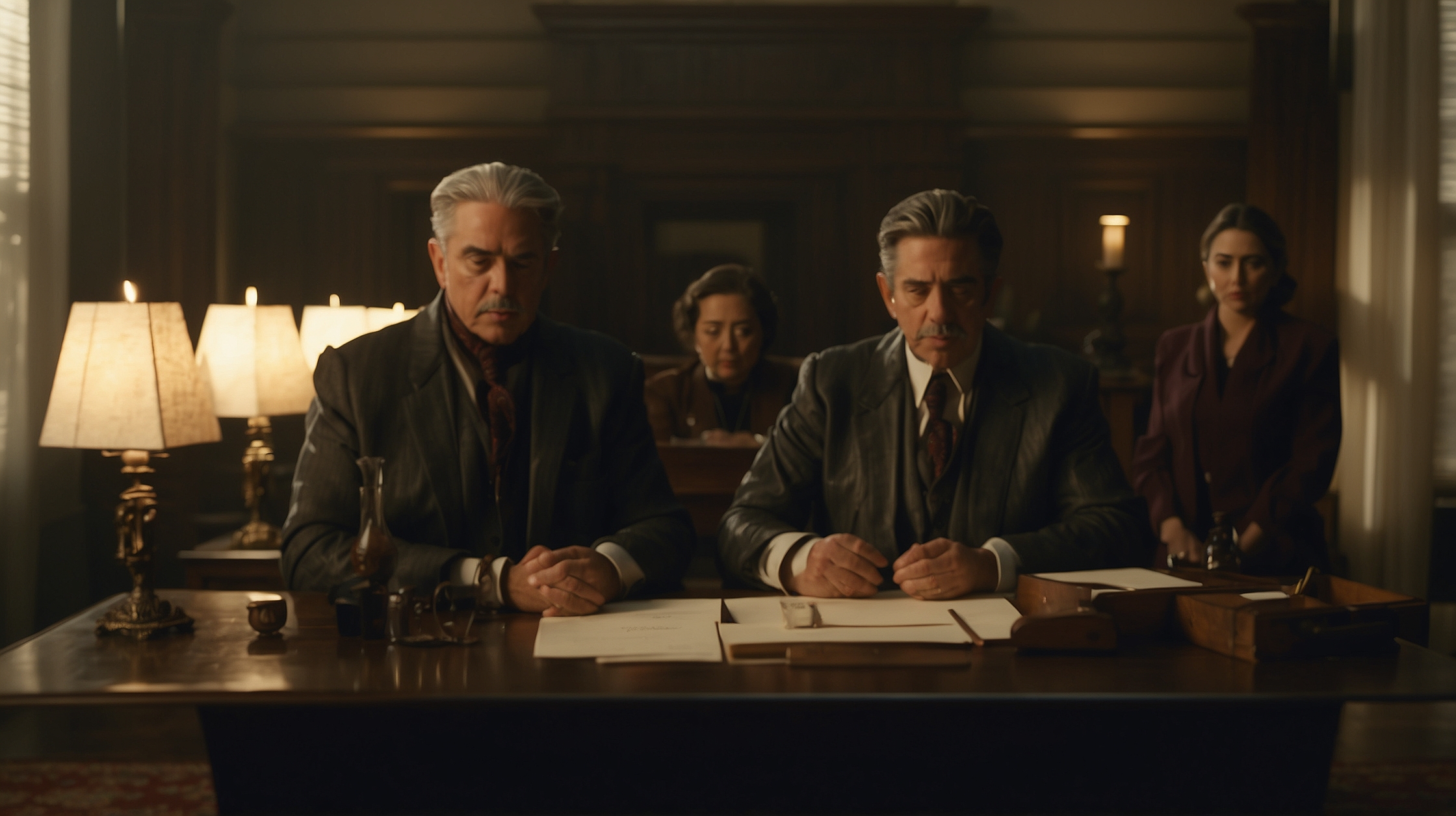
When a parent passes away, their will often serves as the final say in determining how their property and assets are distributed — a last declaration of intent. But what happens when that will, while seemingly fair on the surface, stirs deep discontent among those who survive the deceased? That’s exactly the situation surrounding the contentious estate of one father who chose to divide his fortune evenly among his three adult children, only to leave his surviving wife feeling slighted and wronged. In this escalating family drama, the concept of fairness goes beyond dollar amounts — it strikes at the very heart of what families believe they are owed.
This case has sparked widespread interest and debate regarding **inheritance rights**, **blended family dynamics**, and what truly defines “fairness” when it comes to distributing an estate. Though the will was legally sound and clearly stated that the father’s wealth should be split *equally* three ways among his children, his wife — who is not the children’s biological mother — has expressed that the decision disregards her needs and sacrifices. The ripple effect of this dispute has already touched on legal loopholes, estate planning oversights, and the emotional cost of familial conflict.
Key facts about the estate division and family dynamics
| Detail | Information |
|---|---|
| Estate size | Approx. $1.5 million |
| Number of children | Three adult children from previous marriage |
| Surviving spouse | Second wife, married 12 years |
| Distribution in will | Divided equally among three children (no portion to spouse) |
| Legal validity of will | Confirmed valid and uncontested legally |
Why the wife believes the will is unfair
Despite being legally married to the deceased for over a decade, the widow received *no inheritance* from the will. She contends that she was promised lifelong security and partnership — and that although her husband’s intentions may have been to “keep the kids equal,” he effectively ignored the sacrifices and support she provided through the final years of his life.
Her argument is rooted in the **emotional and financial investment** she made in the marriage. Having sold her own home when they got married and not being named on the title of their marital home, she now faces potential upheaval with no claim to a residence or financial reassurance for her future. While the will is unambiguous, her exclusion raises important ethical and legal questions about **spousal rights** and implicit marital contracts, especially in blended families.
What made the children beneficiaries?
The three adult children were named as equal beneficiaries of the estate, something that is not unusual when the deceased wants to pass wealth down a generation. In this case, the father may have believed that his spouse would not outlive him by much or expected her to live on savings and marital assets. It’s also possible he assumed she would be well cared for by existing assets and didn’t need a specific allocation.
The decision, while technically valid, failed to anticipate the real-world implications of disinheriting a surviving spouse who has no legal claim without designation in the will. This has left the children legally entitled but morally conflicted, with some showing hesitation about enforcing their full share, and others resolute in accepting what they believe is rightfully theirs.
Why this estate case is triggering such broad reactions
Cases like this shine a light on **the complications of modern families**. As second marriages, stepfamilies, and intertwined financial histories become more common, so do disagreements that traditional estate planning documents often fail to address. The current conflict encapsulates what happens when expectations, legal documents, and emotional bonds do not align.
What appears to be a “fair” distribution on paper can cause real emotional devastation when one party is left out. It’s a cautionary tale for anyone assuming their will speaks for itself without complementing it with trust agreements, spousal trusts, or deeper family conversations about future plans.
Legal tools that could have changed the outcome
While the will is enforceable, several options available to the deceased might have alleviated or prevented this fallout:
- Creating a **spousal trust** to provide the surviving wife with income or home rights during her lifetime.
- Using a **qualified personal residence trust (QPRT)** to allow her to live in the house until her death, after which children would inherit.
- Making her a **joint owner** on key assets such as property or investment accounts.
- Updating legal documents more frequently to capture the shifting balance of need and dependence.
Without these arrangements, the surviving spouse faces potential eviction, no direct income, and minimal bargaining power outside emotional appeals to the children.
Winners and losers in this estate battle
| Winners | Why |
|---|---|
| Adult children | Legally entitled to full inheritance shares from the will. |
| Estate attorney | Drafted a valid will that stands up legally despite ethical concerns. |
| Losers | Why |
| Surviving spouse | Received no financial protection and may face housing insecurity. |
| Family unity | Deepened rifts among siblings and stepmother, potentially irreparable. |
Why spousal protections vary by state
Depending on residency and the state’s inheritance laws, spouses may be entitled to certain “elective shares” (typically between 30–50% of the estate) even if a will says otherwise. But some states allow individuals to disinherit spouses if there are prenuptial agreements or separately owned property involved. In this case, the widow may not have been aware of her diminished rights — or may lack the means to challenge the will in probate court.
This gap in knowledge often affects older surviving spouses who assume that marriage automatically guarantees them protection. Unless legally accounted for, those assumptions can lead to serious financial vulnerability.
How family meetings can prevent future estate conflicts
Estate planning isn’t just about writing down instructions — it’s about communicating intentions clearly. Families that hold proactive estate conversations, ideally with both the spouse and children present, may be more successful at avoiding conflict and surprises. Including all parties in the discussion builds trust and awareness. It helps prevent misinterpretations that something nefarious took place or that one party was overlooked negligently.
“We urge clients to think not just about legality, but about legacy. That includes thinking about the surviving spouse’s security and dignity — especially in second marriages.”
— Carla Rhodes, Certified Estate Planner
What advisors recommend moving forward
According to planning experts, this situation underscores the importance of revisiting estate documents every few years, especially after major family events like marriages, divorces, or births. It’s also wise to designate clear life estate provisions or trusts if there’s doubt about how one spouse will fare without formal inheritance.
Another option? Give some assets before death. Gifting during one’s lifetime, including setting up joint investment accounts or signing property over, ensures that there’s no ambiguity about who gets what — and when. It also enables the benefactor to prevent bitterness, since conversations can be guided immediately rather than indirectly through legal documents after passing.
Commonly asked questions about split inheritance and fairness
What is an elective share, and can a spouse claim it automatically?
An elective share is a portion of the deceased spouse’s estate that the surviving spouse is entitled to claim, regardless of what the will says. However, the right and percentage vary by state and may require legal filing to obtain.
Can a will disinherit a surviving spouse?
Yes, in some states — particularly those that view marriage as a contract — though many states have default protections unless waived through prenuptial or postnuptial agreements.
Is it common to leave a spouse out of a will in second marriages?
It’s not uncommon, especially when the deceased wants to preserve wealth for children from a previous marriage. Still, it often leads to legal disputes and stressful family fallout.
Can adult children give part of their inheritance to a step-parent?
Yes, technically the children could voluntarily allocate part of their inheritance to their step-parent, but they are not legally obligated to do so.
What should blended families do differently in estate planning?
Blended families should work with estate attorneys to establish trusts, life estates, and hold open discussions about expectations. The more transparent the process, the better for all involved.
How can spouses protect themselves before estate conflict arises?
Ensure their name is on key assets, have clear spousal trusts drafted, and review all estate documents jointly with an attorney every few years to avoid surprises down the line.
Does a longer marriage increase a spouse’s legal claim?
Generally, longer marriages may be looked upon more favorably by courts, but legal rights are typically determined by documentation and state law — not length of union alone.
Can family members challenge a will’s fairness in court?
They can challenge a will if there is suspicion of incompetence, coercion, or fraud. However, simply disagreeing with the fairness of a distribution isn’t usually grounds for a successful challenge.


