
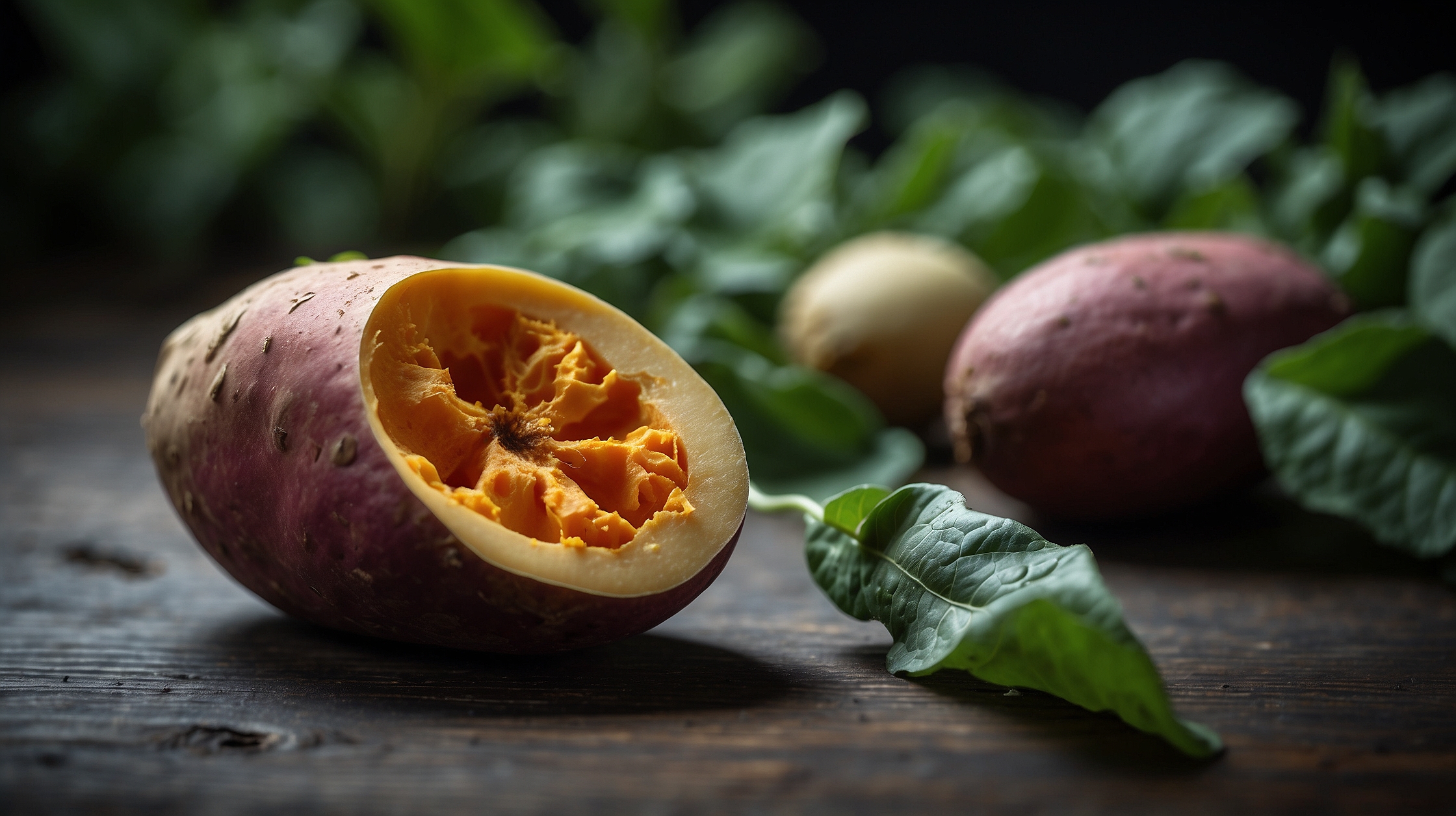
Most people assume that sweet potatoes and regular potatoes are closely related, simply because they share the name “potato.” They’re both underground tubers, starchy, and often found in similar dishes. But dive a little deeper into their botanical origins, and it becomes clear that these pantry staples are more different than alike. In fact, they belong to entirely separate plant families — a fact that continues to surprise even seasoned nutritionists and gardeners.
Sweet potatoes (Ipomoea batatas) are part of the morning glory family, Convolvulaceae, while regular potatoes (Solanum tuberosum) come from the nightshade family, Solanaceae. These two vegetables evolved in completely separate parts of the world through vastly different processes. While they have converged in some culinary uses and share macronutrient attributes like high carbohydrate content, the comparison stops there. From their origins and botanical classifications to their nutritional profiles and climate preferences, sweet and regular potatoes tell very different stories.
Overview: Comparing Sweet Potatoes and Regular Potatoes
| Category | Sweet Potato | Regular Potato |
|---|---|---|
| Botanical Family | Convolvulaceae (Morning Glory) | Solanaceae (Nightshade) |
| Scientific Name | Ipomoea batatas | Solanum tuberosum |
| Origin | Central and South America | Andean region, South America |
| Common Varieties | Beauregard, Japanese, Garnet | Russet, Yukon Gold, Red |
| Vitamin A Content | Very High | Minimal |
| Glycemic Index | Lower | Higher |
| Climate Requirements | Warm, moist conditions | Cooler, temperate climates |
Two different evolutionary paths
Though sweet potatoes and regular potatoes are both native to the Americas, their independent evolution reflects how geography and selective cultivation shaped their development. Sweet potatoes likely originated in Central America over 5,000 years ago and were cultivated by indigenous peoples for centuries before European contact. Their iconic orange flesh is just one of several varieties grown across tropical and subtropical regions.
Regular potatoes, on the other hand, trace their roots to the Andean highlands in modern-day Peru and Bolivia. Domesticated 7,000 to 10,000 years ago, these hardy tubers adapted to cold, mountainous conditions. The Spanish introduced them to Europe in the 16th century, where they quickly became a staple food due to their resilience and versatility.
“It’s a common misconception that sweet potatoes and white potatoes are sisters in the same family—botanically, they’re as distant as apples and avocados.”
— Dr. Karen Sinclair, Plant Geneticist
Different plant families, different traits
The Convolvulaceae family, to which sweet potatoes belong, is known for its fast-growing vines and ornamental flowers. Sweet potatoes display these traits in spades, with vining growth and funnel-shaped blossoms often admired in gardens. Conversely, regular potatoes are part of the nightshade family, which also includes tomatoes, peppers, and eggplants — all plants known for certain toxic compounds like solanine in their leaves and stems.
This difference matters beyond garden identification: it also affects how each plant is grown, consumed, and even stored. Unlike the regular potato, every part of the sweet potato plant is edible — including the leaves. Regular potatoes, while nutritious when prepared properly, must be handled with care due to potential toxin exposure if sprouted or green-skinned.
Nutritional value head-to-head
Both sweet and regular potatoes offer valuable nutrition, but they serve different roles on your plate. Sweet potatoes are packed with beta-carotene, a precursor to vitamin A, which is vital for vision, immune support, and skin health. Just one medium sweet potato provides over 400% of the recommended daily intake of vitamin A.
Regular potatoes, particularly when eaten with the skin, are rich in potassium, vitamin C, and vitamin B6. However, they have a higher glycemic index, meaning they can cause blood sugar levels to spike more quickly — a fact worth considering for people with insulin resistance or diabetes. Sweet potatoes, by contrast, offer a more moderate glycemic response, thanks to their higher fiber content and lower starch density.
How cooking methods change the comparison
Boiling, baking, frying — the way you prepare a potato alters its health value significantly. When baked or boiled with minimal fat, both sweet and regular potatoes can be part of a balanced diet. However, deep-frying either transforms them into high-calorie sides that may negate their inherent benefits.
Sweet potatoes retain their high vitamin A content better when baked, while boiling may cause some nutrients to leach out into water. On the other hand, regular potatoes preserve more resistant starch — a gut-friendly carbohydrate — when cooked and then cooled. This starch has been shown to improve digestion and promote fullness, making cooled potato salads surprisingly nutritious.
Environmental and agricultural differences
The agronomic differences between sweet and regular potatoes are substantial. Sweet potatoes thrive in warm, humid climates and are most commonly grown in southern parts of the United States and tropical regions. They require a longer growing season — often up to 150 days — and do best in sandy, well-drained soil.
Regular potatoes, in contrast, excel in cooler climates and mature in as little as 90 to 120 days. The requirements of each crop have a direct effect on farming practices and crop rotation schedules. Simply put, they don’t just grow differently — they often can’t grow in the same environment at all.
The cultural impact and global spread
Regular potatoes were once feared in Europe for their connection to the nightshade family, but they ultimately transformed economies and food security during major historical events such as the Industrial Revolution and World War II. Sweet potatoes had a different cultural trajectory, rooted deeply in African, Asian, and Caribbean cuisines where their natural sweetness and versatility added to both savory and dessert dishes.
Today, sweet potatoes have seen a resurgence in the health and wellness world, frequently spotlighted in paleo, plant-based, and gluten-free diets. Meanwhile, regular potatoes continue to hold strong on dinner tables globally, appreciated for their low cost, energy density, and utility in everything from mashed potatoes to vodka distillation.
“While most of our calories worldwide come from just a few staples — rice, wheat, maize — the potato remains one of the most reliable and scalable food crops we have.”
— Dr. Alan Vega, Agricultural Economist
Winners and losers across categories
| Category | Winner |
|---|---|
| Vitamin A Content | Sweet Potato |
| Glycemic Index | Sweet Potato |
| Resistant Starch | Regular Potato |
| Growing Season Length | Regular Potato |
| Versatility in Cooking | Tie |
Frequently asked questions about sweet and regular potatoes
Are sweet potatoes healthier than regular potatoes?
In many ways, yes — especially because of their high vitamin A and fiber content. However, both types offer valuable nutrition depending on preparation and portion size.
Can you eat the leaves of both sweet and regular potatoes?
You can eat sweet potato leaves, which are nutritious and mild-tasting. Regular potato leaves are toxic and should never be consumed.
Do sweet potatoes and regular potatoes taste the same?
No. Sweet potatoes are sweeter and denser, while regular potatoes have a more neutral, starchy taste and wider variation in texture.
Which potato is better for diabetics?
Sweet potatoes typically have a lower glycemic index and are often preferred for people managing blood sugar levels. However, preparation affects this significantly.
Do sweet potatoes have more carbs than regular potatoes?
Carb levels are roughly similar per serving, but sweet potatoes have more fiber, which slows digestion and can moderate sugar spikes.
Are yams the same as sweet potatoes?
No. Yams are a completely different root vegetable, indigenous to Africa and Asia, and they belong to yet another botanical family.
What’s the best way to store sweet and regular potatoes?
Both should be stored in a cool, dark, and dry place. Avoid refrigeration, especially for regular potatoes, which can convert starch to sugar in cold temperatures.
Is one type of potato more sustainable to grow?
It depends on the region. Regular potatoes thrive in more temperate climates and often yield faster crops, while sweet potatoes excel in warmer regions with longer growing seasons.


