
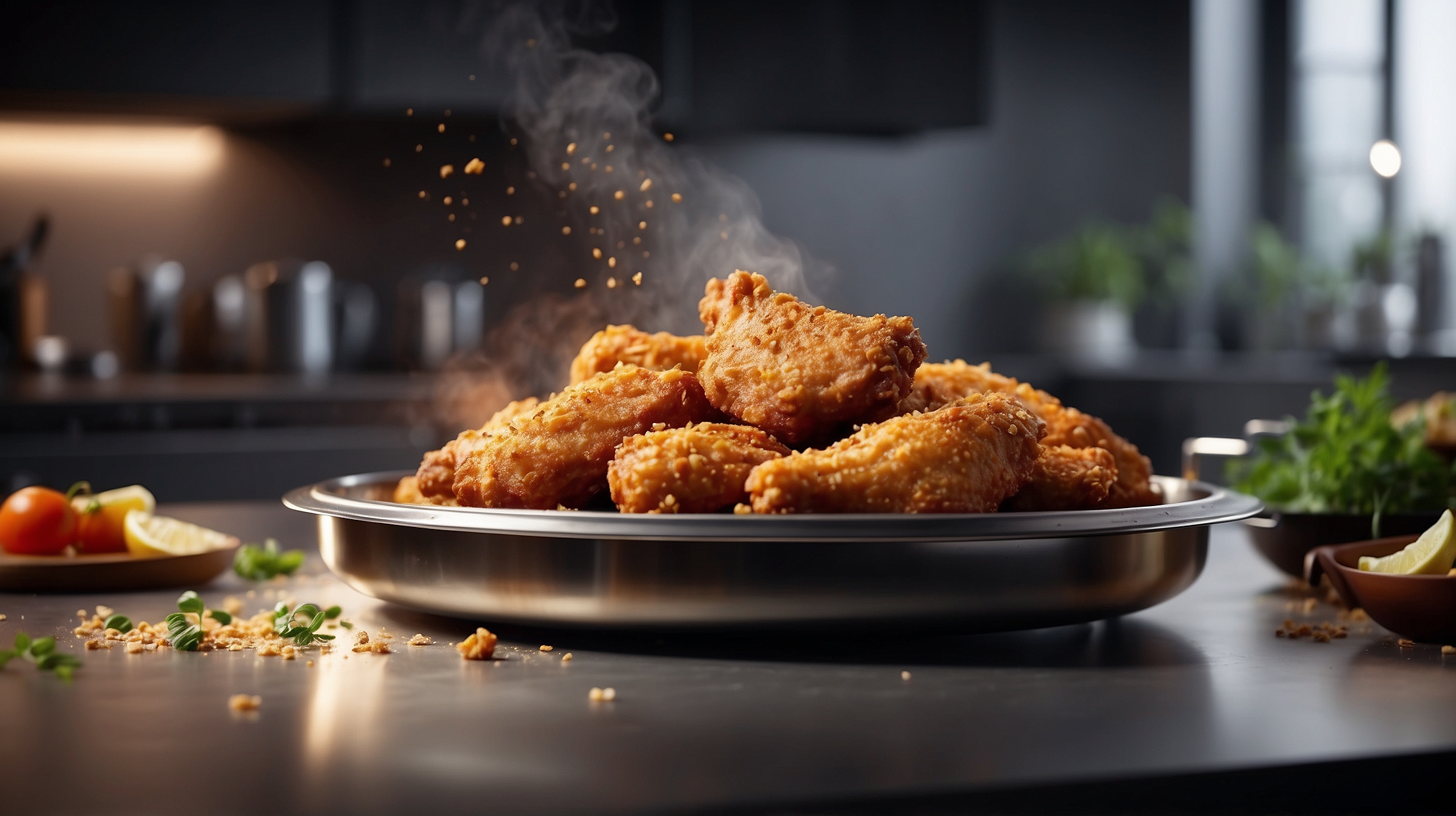
It seems like the reign of the air fryer may finally be coming to a close. Just a few years after it became the must-have kitchen appliance for fast, crisp, and healthy meals, home cooks and food influencers alike are embracing something new in 2026: **carbon-steel cooking**. With its unbeatable searing power, superior heat retention, and restaurant-quality texture, carbon-steel cookware is taking kitchens by storm—and it’s not hard to see why.
Former air fryer devotees are finding themselves seduced by the authentic, deep browning and rich flavor that carbon-steel skillets produce. Unlike the click-and-set convenience of air fryers, cooking with carbon steel requires more skill—but offers a more rewarding culinary experience. It’s not just a trend; it’s a return to principles of classic cooking with a modern edge. Let’s take a closer look at what’s behind this shift and why carbon steel is heating up kitchens everywhere.
What changed this year
| Trend | Previous Leader | New Favorite (2026) | Why It’s Popular |
|---|---|---|---|
| High-heat searing | Cast iron | Carbon steel | Lighter, responsive, naturally non-stick when seasoned |
| Healthy crispy cooking | Air fryer | Carbon-steel skillets | Crisps better with fewer limitations |
| Eco-conscious cookware | Nonstick pans | Carbon steel | No chemical coatings; lasts decades |
| Chef’s trusted gear | Stainless steel | Carbon steel | Professional kitchens swear by it for its versatility |
Why carbon steel is replacing the air fryer
The **air fryer** sold millions of units between 2020 and 2024, promising convenience and fewer calories. But in 2026, many users are noticing its limits—uneven cooking, loud operation, plastic smell, and bulkiness. Meanwhile, carbon-steel pans, once overlooked in favor of nonstick and cast iron, are becoming mainstream for their **superior temperature control**, versatility on all cooktops (including induction), and **restaurant-level results**.
Unlike the air fryer, carbon steel isn’t an appliance—it’s a timeless tool. Skilled usage unlocks crispy textures that rival deep frying without the oil. Whether it’s crisping chicken thighs, flash-searing green beans, or creating the perfect crust on scallops, carbon steel delivers. Plus, it doesn’t take up countertop space, break easily, or become obsolete. Many users say it’s reigniting their love for cooking.
“A properly seasoned carbon-steel pan can last longer than any air fryer and deliver better results. It’s precision meets nostalgia.”
— Chef Lina Moretti, Culinary Historian and Food Network Contributor
Winners and losers in the great kitchen switch
| Winners | Why They’re Gaining | Losers | Why They’re Losing |
|---|---|---|---|
| Carbon-Steel Cookware Brands | Massive rise in awareness & demand for seasoned skillets | Air Fryer Manufacturers | Market saturation, mechanical issues, downsizing kitchens |
| Professional Chefs | Home cooks want authentic techniques and chef-style tools | Influencer-driven “gimmick” gadgets | Consumers shifting toward craftsmanship over trends |
| Eco-conscious Consumers | No power, plastics, or waste | Small Kitchen Appliance Buyers | Looking for fewer, multipurpose tools |
What carbon steel actually is
Carbon steel is a metal alloy made of around **99% iron and 1% carbon**. This minimal carbon content is what gives the cookware a unique combination of thinness, lightness, and outstanding heat conductivity. Unlike cast iron, which is thicker and slower to heat, carbon-steel pans respond quickly to temperature changes, making them perfect for fast searing or precise sautéing.
After just a few uses and proper seasoning, carbon steel becomes almost non-stick—without needing any synthetic coatings. It works on any stovetop and can go directly into ovens or on grills. Its durability is legendary, and the more you use it, the better it performs. For many chefs, it’s the most **loyal piece of gear** in the kitchen.
Health and sustainability benefits over air frying
While air fryers were sold as a “healthy alternative” to deep frying, concerns have risen about their long-term durability, use of plastics, and indirect health consequences like uneven heating. In contrast, carbon steel has **no non-stick coatings, no electronic parts, and no risk of microplastics** leaching. It supports oil management by encouraging moderation and rewarding technique.
From an environmental standpoint, carbon-steel pans can last over 50 years with proper care. This makes them an easy winner for those making **zero-waste or minimalist kitchen transitions**. They are fully recyclable, power-free, and need no replacement filters or accessories—unlike air fryers that often break down within a few years.
“When people say they want to eat clean, I tell them to cook clean too. Carbon-steel cookware is where clean cooking starts.”
— Dr. Meena Griffiths, Food & Wellness Researcher
Tips for first-time carbon steel owners
Getting the most out of carbon steel takes a little more TLC compared to plug-and-play gadgets. Here are a few essentials for first-time users:
- **Season the pan** before initial use by coating it with oil and heating until it darkens.
- Start with high-smoke-point oils like grapeseed or avocado oil.
- Don’t use harsh soaps. Warm water and a stiff brush are usually enough for cleaning.
- To store, keep it dry and lightly oiled to prevent rust.
- Use metal utensils freely—unlike with nonstick cookware, they won’t damage the surface.
What dishes benefit most from carbon steel
There’s a reason professional kitchens use carbon steel for specific dishes that require *crust, color, and control*. Here’s where carbon steel really shines compared to an air fryer:
- Perfectly crispy skin-on chicken and duck
- Fried eggs with lacy golden edges
- Flash-fried stir fries with smokey wok hei flavor
- Smashed burgers with crusty, caramelized patties
- Panfried fish fillets with tender flakes and crispy skin
- Searing steaks or pork chops for a golden brown sear
The influence of chefs and cooking shows
2026 is also seeing a spike in interest from **TV cooking competitions and trending chefs**, many of whom are switching visible use of carbon-steel pans. These appearances influence consumers who want to replicate the flavor and flair of professional cuisine—no blinking button or beep necessary.
Some leading Netflix culinary series have ditched air fryers entirely in favor of emphasizing **classic cookware craft**. As culinary education becomes more mainstream with online courses and food influencers upgrading their own kitchen arsenal, carbon steel is becoming the emblem of “real cooking.”
The bottom line: is it worth it?
If you still love your air fryer, there’s no need to toss it just yet. But if you’re seeking more from each meal—a deeper crust, richer taste, more control over heat, and cookware that honors the process as much as the result—carbon steel is an affordable and rewarding shift. The cooking landscape in 2026 is moving away from quick fixes toward craftsmanship and longevity. And nothing says that better than a seasoned carbon-steel pan.
Frequently Asked Questions
Is carbon steel better than cast iron?
Yes, for most users. Carbon steel heats up faster, is lighter, and is easier to maneuver than cast iron, which is heavier and slower to respond to temperature changes.
Can I use carbon steel on an induction cooktop?
Yes, carbon steel is magnetic and works well on induction ranges, unlike some cheaper cookware options.
Is carbon steel worth the extra effort to season?
Absolutely. After just a few uses, a well-seasoned pan becomes naturally non-stick and offers superior performance compared to traditional non-stick pans.
How do I prevent my carbon-steel pan from rusting?
Keep the pan dry after each use, lightly oil it before storing, and avoid soaking it in water.
Can I still use my air fryer sometimes?
Of course! Many households keep both. But expect to use your air fryer less once you master carbon steel techniques.
How long will a carbon-steel pan last me?
With proper care, a carbon-steel skillet can easily last 30 to 50 years or more.
Can I cook acidic foods in carbon steel?
It’s best to avoid acidic ingredients like tomatoes or vinegar until your pan is very well seasoned, as acid can strip seasoning early on.
What size carbon-steel skillet should I start with?
A 10 or 11-inch skillet is a perfect starter size for most home cooks—large enough for searing proteins but easy to store and clean.


