
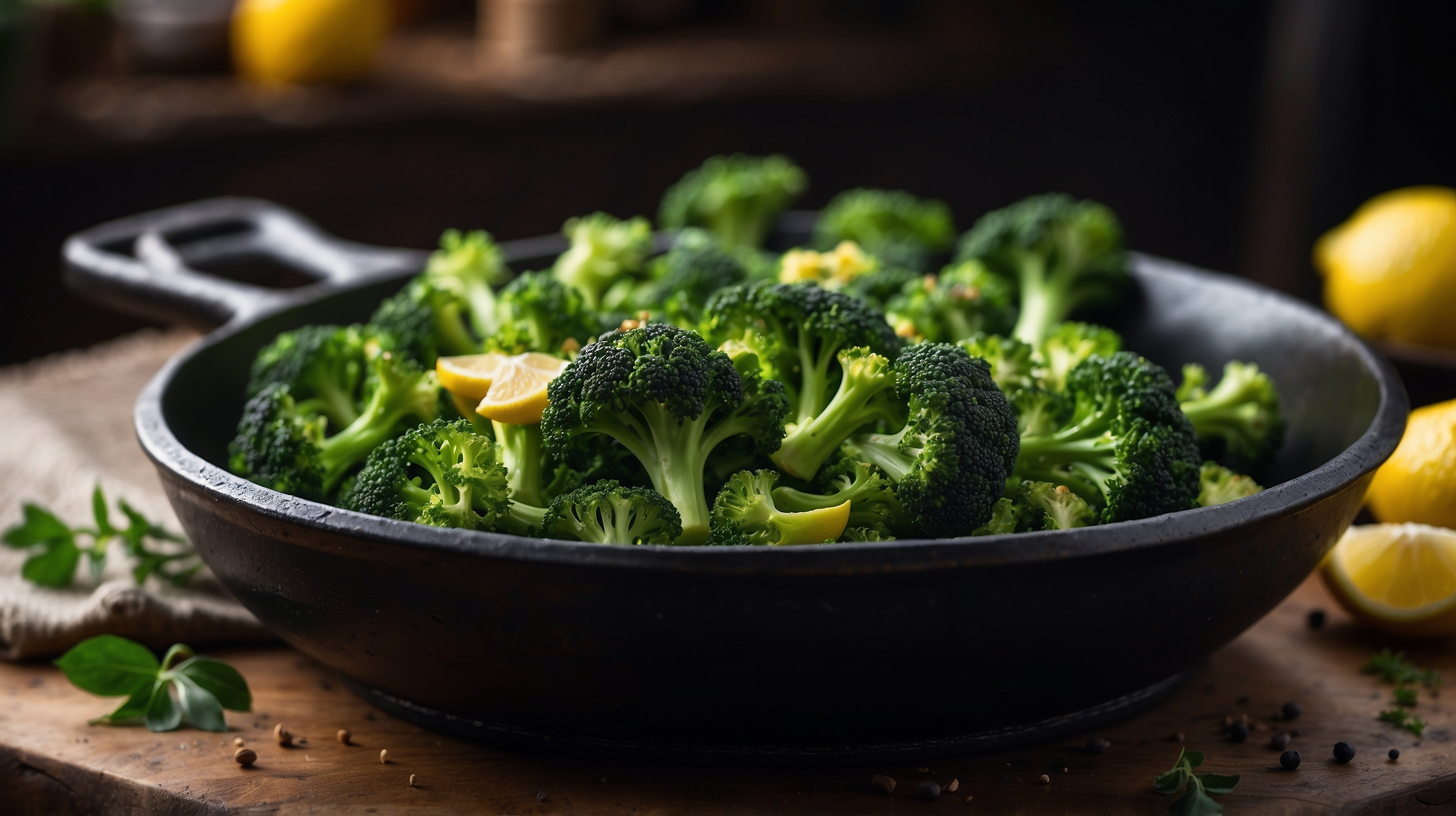
When it comes to cooking broccoli, most of us learned early on that steaming is the healthiest way to preserve this vegetable’s powerful nutritional profile. But surprisingly, new research is flipping that belief on its head, offering a new contender that outperforms even steaming in retaining broccoli’s best features: sautéing. Yes, that simple pan-frying method we often associate with indulgent stir-fries might just be broccoli’s best friend.
Broccoli is acclaimed as a “super food” for a reason. It’s packed with vitamin C, fiber, and powerful antioxidants like sulforaphane, known for supporting immune health, reducing inflammation, and even fighting cancer. But how you cook it can either enhance or deplete those benefits. So before you throw your next broccoli bunch into a steam basket, let’s explore why sautéing, when done right, may be your greenest option yet.
Quick facts about cooking broccoli
| Best cooking method | Sautéing (using minimal oil and short cooking time) |
| Most nutrients retained | Vitamin C, sulforaphane, and chlorophyll |
| Key cooking tip | Cook over medium-high heat for 3–5 minutes |
| Best oil for sautéing | Extra virgin olive oil (for flavor and antioxidant properties) |
| Flavor bonus | Caramelization adds depth and sweetness |
Why cooking methods matter more than you think
Broccoli delivers a powerful dose of nutrients when raw, but raw broccoli isn’t always palatable to everyone. In fact, how you cook broccoli can make or break its nutritional integrity. Sensitive compounds like sulforaphane and vitamin C are heat-sensitive, meaning cooking with high heat or extended times can degrade them quickly. Steaming limits the exposure to boiling water, which can leach nutrients, but can also over-soften the vegetable, diluting its potent flavor and reducing the appeal of texture.
Sautéing preserves more nutrients because it cooks quickly at relatively high heat — just enough to heat through the florets and begin light caramelization without prolonged nutrient degradation. The use of oil can also help absorb fat-soluble nutrients, enhancing the overall benefit.
How scientists discovered sautéing is superior
Recent food science studies have examined nutrient retention in broccoli across varying cooking methods: boiling, steaming, microwaving, roasting, and sautéing. Steaming was long considered the gold standard — but data now shows that short sautéing using a small amount of healthful oil like olive oil better preserves a spectrum of nutrients including chlorophyll, vitamin A, and even glucosinolates — the compounds that give broccoli its disease-fighting power.
One of the key transformations in this understanding comes from how sautéing affects sulforaphane. This antioxidant is created when the enzyme myrosinase reacts during chopping or chewing raw broccoli. A short sauté does not destroy myrosinase completely, especially if the broccoli is pre-chopped and rests before cooking — allowing sulforaphane to form before it hits the pan.
Best method: how to sauté broccoli for maximum health
Here’s a simple step-by-step guide to unlock the most nutritional bang from your broccoli buck:
- Chop and rest: After chopping your broccoli, allow it to rest for 40 minutes before cooking. This enables sulforaphane production.
- Choose the right pan: Use a wide non-stick or stainless steel skillet to avoid overcrowding and promote even cooking.
- Use minimal oil: Add 1 tablespoon of extra virgin olive oil and heat over medium-high heat.
- Add broccoli: Toss in the florets and cook for 3 to 5 minutes, stirring occasionally. Avoid overcooking.
- Optional aromatics: Add garlic, onion, or ginger for extra flavor and antioxidant boost.
This method preserves texture, flavor, and nutrition, making broccoli both healthier and more enjoyable. The slight caramelization from sautéing creates a nutty, savory profile that stands apart from the somewhat bland taste of steamed veggies.
Other cooking methods compared
| Method | Winners | Losers |
| Boiling | Texture (very soft) | Vitamin C, sulforaphane (leaches into water) |
| Steaming | Low water contact, retains more color | Too soft if over-steamed, bland flavor |
| Microwaving | Quick, can preserve nutrients if timed right | Inconsistent heating, texture can vary |
| Roasting | Delicious flavor, crispy florets | Long cooking time reduces sensitive nutrients |
| Sautéing | Best nutrient retention, excellent flavor, fast cook time | Can burn if unattended |
Easy broccoli recipes with the sauté method
Ready to transform your next broccoli dish? Try these simple and delicious recipes that elevate everyday meals:
Garlic Lemon Sautéed Broccoli
- Chop 1 head broccoli into florets and let rest.
- Heat 1 tablespoon olive oil in pan, add 2 minced garlic cloves.
- Add broccoli and sauté 4 minutes. Squeeze fresh lemon to finish. Salt to taste.
Spicy Sesame Broccoli Stir
- Toss florets in sesame oil, a dash of soy sauce, and red pepper flakes.
- Quick sauté in hot skillet for 3–4 minutes.
- Sprinkle toasted sesame seeds before serving.
Broccoli and Chickpea Power Bowl
- Sauté seasoned broccoli and canned chickpeas together in olive oil.
- Serve over quinoa or brown rice with tahini drizzle.
What this means for your weekly meals
If you’ve been steaming because you thought it was the healthiest approach, you’re not wrong — but you’re not optimizing either. Switching to a short, well-managed sauté not only retains more nutrients, but also enhances taste. This makes it more likely your household will keep broccoli on the regular rotation.
Eating healthy isn’t always about raw kale smoothies or vegetable medleys. Sometimes, it’s as simple as quickly pan-tossing your veggies for maximum flavor and nutritional power. And with broccoli, that pan-toss might just be its best glow-up yet.
“Sautéing is often overlooked as a healthy option, but when done right, it preserves more of broccoli’s vital compounds than other common methods.”
— Dr. Andrea Weaver, Nutritional Biochemist
“People think steaming is gentle, but it can still degrade heat-sensitive nutrients. Sautéing gives you taste and preservation — a rare combo.”
— Marcus Lin, Culinary Instructor
Frequently asked questions about cooking broccoli
Is sautéed broccoli healthier than steamed broccoli?
Yes, sautéing in a small amount of oil for a short time can preserve more of broccoli’s vital nutrients like sulforaphane and vitamin C when compared to steaming.
How long should I sauté broccoli to keep it nutritious?
Ideally, sauté for 3 to 5 minutes over medium-high heat. This helps retain texture and prevents nutrient loss.
Do I need to pre-chop broccoli for better health benefits?
Yes, chopping and allowing broccoli to rest before cooking activates key enzymes that form sulforaphane. Let it rest 30–40 minutes before sautéing for maximum effect.
Can I use butter to sauté broccoli?
While butter adds flavor, it does not offer the same health profile as olive oil. For better heart-health benefits, extra virgin olive oil is recommended.
Does sautéing destroy vitamins in broccoli?
Not if done properly. Short sautéing retains many vitamins — especially compared to boiling or extended roasting.
Is broccoli more nutritious raw or cooked?
Raw broccoli contains the most intact nutrients, but sautéing retains many while improving taste and texture. Combining both in your diet is ideal.
Can I freeze sautéed broccoli?
Yes, but texture may change slightly. For best results, undercook before freezing and finish reheating gently before serving.
What spices go well with sautéed broccoli?
Try garlic, lemon zest, crushed red pepper, cumin, or nutritional yeast for varying flavor profiles and added benefits.


