
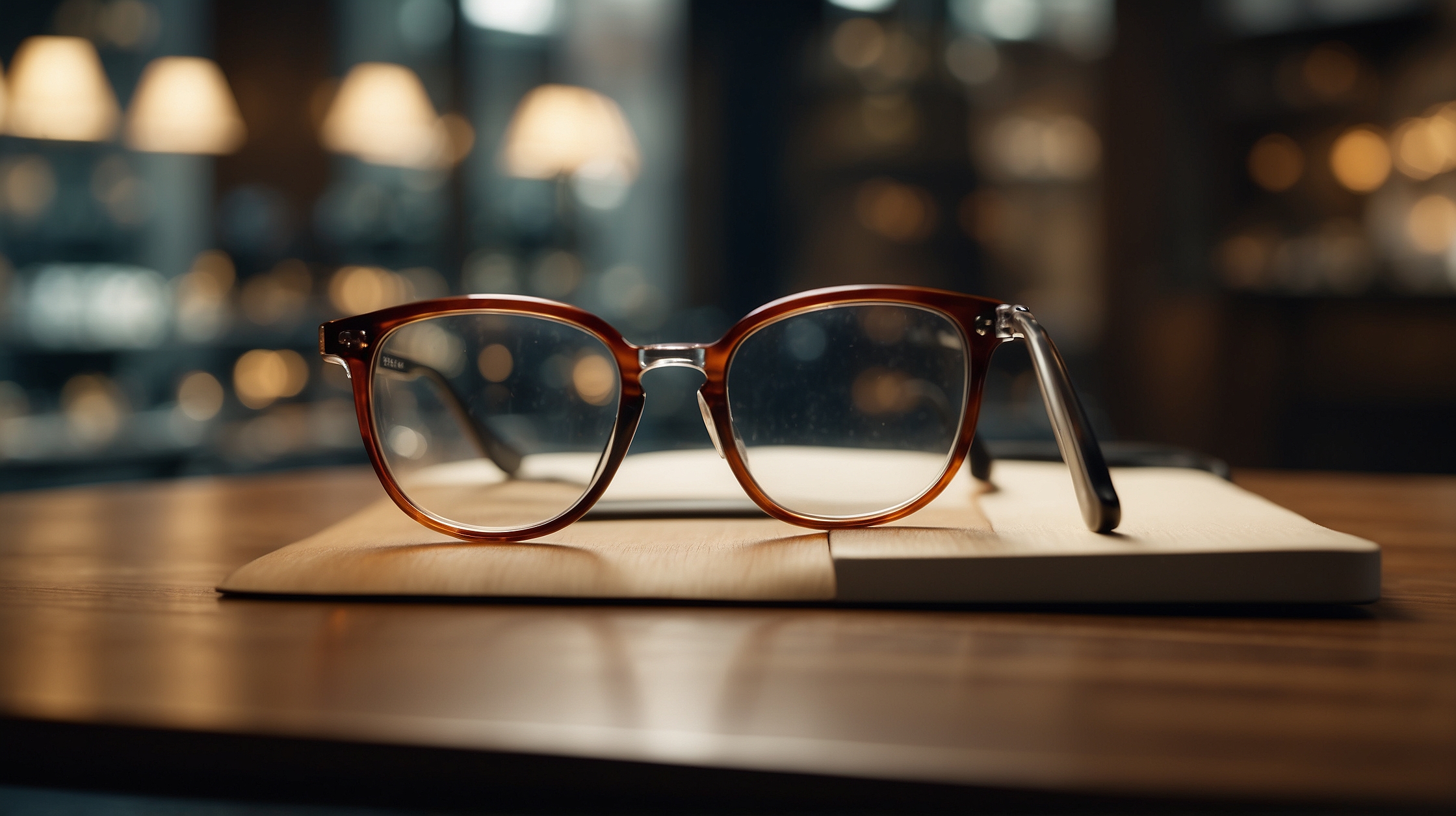
Eyeglasses are one of the most essential everyday tools for millions of people, yet cleaning them properly is a surprisingly misunderstood task. From foggy lenses and fingerprints to dust and smudges, there’s no shortage of ways your glasses can get dirty—but not everyone knows how to maintain their clarity without causing damage. The traditional go-to method of grabbing a cloth and some cleaning liquid isn’t necessarily the best or most effective solution. In fact, many opticians are now recommending simpler, safer alternatives that require none of the standard sprays or microfiber cloths.
If you’ve ever cleaned your lenses with your shirt, paper towel, or even regular tissue, you’re not alone—but those habits could actually be damaging the surface of your lenses over time. Fortunately, experts have identified a few straightforward, gentle cleaning methods that not only protect your glasses but also leave them spotlessly clean—with no sprays, sprays, or cloths necessary. Below, we break down these optician-approved tips for keeping your lenses pristine, plus smart habits to adopt for better maintenance in the long run.
Overview of best cloth-free glasses cleaning methods
| Method | Description | Best For |
|---|---|---|
| Warm Water Rinse | Use lukewarm water and fingers to gently remove smudges and debris. | Everyday use, quick cleaning |
| Diluted Dish Soap Technique | Add small drop of lotion-free dish soap to lenses and rinse under water. | Deep clean, stubborn residue |
| Air Drying | Let glasses drip dry instead of using towels or tissues. | Scratch prevention, lens longevity |
| Compressed Air | Blow particles from lenses before they scratch surface. | Dust removal, preventing hairline scratches |
Why you should avoid cloths and cleaning sprays
While microfiber cloths are often marketed as the safest option, many eyecare professionals warn that unless these cloths are washed regularly, they can collect abrasive particles that end up scratching lenses. Similarly, sprays—especially those with alcohol—can deteriorate special coatings like anti-glare or blue light protection.
“Over time, residue from cleaning solutions and fibers from cloths can build up, clouding your lenses or even removing protective coatings.”
— Dr. Emily Cho, Licensed Optometrist
This isn’t just about aesthetics—scratched and cloudy lenses reduce optical clarity, limit UV protection, and affect the lifespan of your glasses. Ditching commercial cloths and using more natural, optician-recommended methods can save you from expensive lens replacements in the long run.
The warm water rinse everyone should be doing
One of the safest and easiest methods to clean your glasses is plain lukewarm water. Simply hold the glasses under a gentle stream of water, using your fingers to rub the lenses and frames. Avoid hot water, as excessive heat can weaken lens coatings and plastic frames. After rinsing, lightly shake off excess water and place your glasses on a clean, flat surface to air dry naturally.
“You don’t need expensive products—just water and clean hands. It’s the least abrasive method.”
— Jenna Morales, Eyeglass Technician
This method removes dust, oils, and most facial debris, leaving your lenses clearer without risking scratches from wiping with fabrics.
Using lotion-free dish soap for a spotless clean
For a deeper clean, opticians recommend adding a single drop of lotion-free, dye-free dish soap directly to wet lenses. With clean hands, gently rub the entire surface of lenses and frames, especially around the nose pads and hinges where skin oils accumulate. Rinse thoroughly under warm water to avoid streaks.
Air dry completely before wear; any cloth used to dry should be reserved solely for glasses and laundered regularly to avoid buildup and scratches. If necessary, you can use a hairdryer on low with no heat to speed up drying.
Why air drying is a game-changer for lens safety
Although it may be tempting to reach for the nearest tissue or napkin, doing so can introduce lint or microscopic wood fibers that can degrade or scratch high-tech lens coatings. Air drying ensures that nothing abrasive touches the sensitive surface and helps prevent accidental streaks. If time or humidity require faster drying, use a soft air source like low-power fan or hairdryer on cool, no-heat setting.
“Air drying is one of the most underutilized steps in lens care—it prevents accidental abrasions from everyday fabrics.”
— Marcus Lee, Certified Optician
How compressed air can protect your lenses
Another way to clean glasses without liquid or cloths involves compressed air, commonly available in small canisters used for electronics. A gentle burst can safely dislodge small dust particles, pollen, or pet hair that often lead to tiny scratches if wiped or rubbed. Remember to hold the canister upright and at a slight distance to maintain safe pressure.
This is especially beneficial before using any wiping motion—even your fingers—as it removes dirt that could otherwise grind into the lens surface during cleaning.
Establishing a daily cleaning routine
To keep your glasses in pristine condition, consistency is key. A warm rinse every morning and again before bed can eliminate most of the oils, sweat, and dust that accumulate. For glasses worn during workouts or outside, it may be helpful to rinse them more frequently, especially in high pollen or dusty environments.
“A simple warm water rinse morning and night will prolong your lens clarity and optical performance.”
— Dr. Steven Lin, Optometry Researcher
Common mistakes that are hurting your lenses
- Using clothing fabric: Cotton shirts and denim are not lens-safe and may embed micro-scratches over time.
- Skipping rinsing: Rubbing without water creates friction and moves particles that can scratch.
- Overheating with hot water: Can warp plastic frames and peel off lens coatings.
- Using glass or window cleaners: These can damage lens coatings irreparably.
Tips for preventing buildup between cleanings
Besides cleaning, many opticians recommend preventative strategies to reduce how frequently frames require deep cleaning:
- Store glasses in a hard-shell case to avoid dust exposure.
- Avoid touching lenses when adjusting your glasses—always handle by the frame.
- Keep hair products, makeup, and facial oils away from lenses by allowing products to fully dry before wearing glasses.
- Wash hands before handling your spectacles, especially when eating or using skincare products.
Simple habits that protect lens coatings
Modern prescription lenses often come with coatings for anti-reflection, anti-glare, UV-blocking, and even blue light filtration. These coatings can degrade quickly if exposed to alcohol-based products, rough materials, or repeated friction. By sticking to warm water rinses and dish-soap-based cleaning, you not only keep the lenses clear but maintain the functionality intended by your optical provider.
“Proper cleaning extends beyond visibility—it’s about protecting the lens technologies you paid for.”
— Valerie Kim, Optical Store Manager
Short FAQs to keep your glasses crystal-clear
Can I use paper towels or tissues to dry my glasses?
No. These materials often contain wood fibers and can leave micro-scratches on the lenses. Always air dry whenever possible.
How often should I clean my glasses?
Ideally, rinse with water daily and deep clean with soap 2–3 times per week depending on usage.
Can I use alcohol or vinegar to clean my glasses?
These acids and solvents can break down lens coatings. Stick to mild dish soap and water.
What temperature water is safe for cleaning?
Use lukewarm—not hot—water. Excessive heat can warp plastic frames and damage coatings.
What should I do if my glasses are still streaky after cleaning?
Make sure you’re using a very small amount of dish soap and rinse lenses thoroughly under water. Let air dry fully without wiping.
Is it okay to put glasses in the dishwasher?
No. The heat and detergents can ruin coatings and affect lens shape. Hand cleaning only is recommended.
Do anti-reflective coatings require special care?
Yes. They are especially sensitive to alcohol and abrasive materials. Stick with optician-approved methods like soap and water.
Can I use my breath to fog and clean my glasses?
Avoid this habit. Breath moisture contains oils and bacteria that won’t fully clean—use water instead.


