
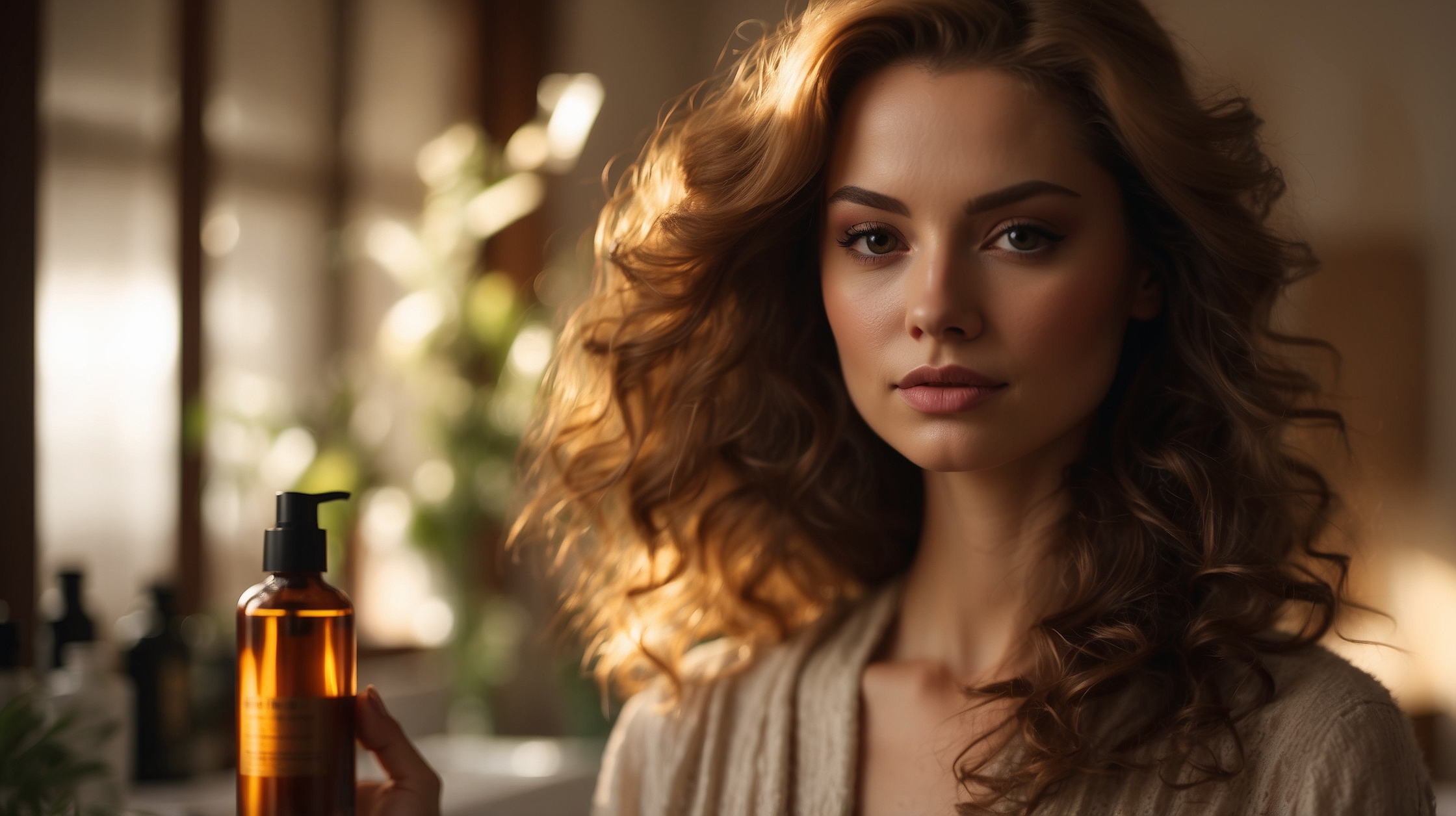
Grey hair has long been seen as an unavoidable sign of aging. Many spend hundreds or even thousands of dollars every year dyeing, highlighting, or toning their hair to delay the inevitable silvering strands. But a new, simple innovation may be turning heads—literally. A natural shampoo add-in is showing anecdotal signs of potentially darkening grey hair, with no expensive treatments or damaging chemicals required.
This small addition to your hair care routine is drawing attention for its accessibility and ease of use. With so many people searching for natural, chemical-free solutions, the idea of a DIY remedy that uses a plant-based formula is not only compelling but rooted in centuries of global tradition. Could this everyday solution be the nudge your hair needs to promote its original pigment again?
While science remains cautious, and more research is certainly needed, the initial buzz from users and holistic practitioners has generated a wave of excitement within the beauty and wellness community. Here’s what you need to know about this potential game-changer in the fight against grey hair.
Key things to know about the natural grey hair solution
| Aspect | Details |
|---|---|
| Product Type | Natural shampoo add-in |
| Function | May aid in darkening greying strands over time |
| Main Ingredient | Black sesame seed extract (or similar herbal oils) |
| Application | Add to your current shampoo and use as normal |
| Target Users | Individuals with early stage or premature grey hair |
| Evidence | Anecdotal reports and traditional herbal use support efficacy |
Why this natural add-in may work
For generations, cultures from Asia to the Mediterranean have turned to **natural oils and herbs** to slow down or even reverse greying. The core ingredient in this modern reinterpretation is **black sesame seed extract**, a powerhouse in traditional Chinese medicine believed to support kidney health—the organ said to influence hair pigment in holistic teachings.
Black sesame is rich in **vitamin B1, B6, iron**, and other nutrients essential for melanin production, the pigment responsible for hair color. By integrating these micronutrients through scalp absorption, the theory is that hair cells may regain lost pigmentation activity over time, at least partially.
Other supporting components being patented or explored include **amla oil, rosemary,** and **polygonum multiflorum (commonly known as He Shou Wu)**—each tied to boosting follicle vitality. Combined in a gentle carrier oil base, these ingredients are intended to be mixed into your regular shampoo in small amounts (usually 3–5 drops per wash).
What science says right now
From a scientific standpoint, there is cautious enthusiasm. While strong clinical trials are still lacking, early laboratory insights suggest that stimulating melanocytes—the cells that produce melanin—may be possible using certain plant-based antioxidants. A small but growing number of dermatological studies are exploring natural actives that encourage **follicular regeneration** and melanin stimulation.
Still, many dermatologists remind consumers that lifestyle and genetics play a huge role in grey hair formation. “Genetic predisposition, stress levels, and oxidative stress all combine to determine when a person’s hair starts to lose color,” explains one board-certified trichologist. However, addressing nutritional deficiencies and free radical damage through topical and dietary interventions is a growing area of interest.
Natural topicals may not fully reverse grey hair, but they can offer support to hair follicles and may delay further greying by nourishing the scalp.
— Dr. Elise Han, Dermatologist
Who benefits most from this treatment
People in the **early stages of greying**, especially those under the age of 40, may find the most value. Since these remedies work slowly over time and rely on follicles that are still active, they’re not expected to visibly repigment fully white strands. Instead, users with salt-and-pepper hair or those noticing new grey strands can potentially see **subtle darkening** and improve hair softness and shine.
Also ideal candidates are those seeking chemical-free options due to **sensitive scalps**, allergic reactions to dye, or a desire to maintain a more holistic wellness routine. Natural hair care enthusiasts and people following Ayurvedic or herbal regimens may feel especially aligned with this method.
How to mix and apply step-by-step
Using a shampoo add-in is easy—and that’s part of its appeal. Here’s how to incorporate it into your regular hair routine:
- Choose a natural, sulfate-free shampoo as your base product.
- In a separate dropper bottle, combine your selected add-in ingredients (such as black sesame oil and rosemary extract).
- Before each wash, add 3–5 drops of the mixture into your shampoo portion in your palm. Do not add it to the whole bottle.
- Massage into your scalp thoroughly. Leave the lather on your head for at least 2 minutes to allow absorption.
- Rinse thoroughly and follow with conditioner as usual.
- Repeat at least 3 times per week for potential results over 2–3 months.
For enhanced results, some users also apply the oil mix as a scalp treatment 1–2 hours before showering once a week.
What results to expect and when
This is not an overnight fix. Anecdotal reports suggest that after **4–8 weeks of regular use**, users can begin to notice subtle contrasts such as more depth in darker strands, reduced number of new greys, and increased scalp hydration.
Individuals with less extensive greying see faster improvements compared to those with fully white hair. Consistency is key. Like skincare, benefits tend to increase cumulatively over time.
I started using a black sesame oil blend three months ago, and now my hairdresser tells me my roots look darker even though I haven’t dyed them in over a year.
— Maria V., Early adopter
Potential limitations and considerations
Despite the optimistic anecdotal stories, there are important caveats. First, results are far from guaranteed and heavily depend on individual biology. Second, these products are not regulated in the same way as cosmetic dyes, so **user caution and patch testing** are crucial before use.
Additionally, these natural methods are **not a substitute for medical treatments** if identifying underlying health concerns like thyroid dysfunction, vitamin B12 deficiency, or alopecia. Always consult with a qualified health professional if your greying seems unusually rapid or accompanies other symptoms.
Winners and losers of the natural hair treatment trend
| Winners | Losers |
|---|---|
| People with early-stage greying | People with completely white hair |
| Natural hair care users | Chemical-based dye manufacturers (long-term) |
| Holistic beauty practitioners | Quick-fix seekers |
Short FAQs
Can natural shampoo add-ins reverse grey hair completely?
No, complete reversal is unlikely, especially for fully white hair. These blends may help darken strands and slow new greying.
How long does it take to see results?
Most users report changes within 4 to 8 weeks of consistent use, though outcomes vary widely.
Is this treatment safe for all hair types?
Generally yes, but always perform a patch test first, especially if you have sensitive skin or scalp conditions.
Can I use this treatment if I color my hair?
Yes, though results may be masked by the dye. It’s best used on natural hair to assess changes accurately.
What are the best oils or herbs to use?
Black sesame seed oil, amla, rosemary, and He Shou Wu are popular choices due to their traditional support for hair pigmentation.
Will the darkening be dramatic or subtle?
Expect subtle, progressive changes rather than a drastic shift. The goal is to nurture your hair back to its healthier color tone over time.
Where can I buy these shampoo additives?
Look for reputable vendors selling natural, cold-pressed oils or consult with a holistic practitioner for guidance.
Are there any side effects to using natural oils in shampoo?
Side effects are rare, but skin irritation is possible if you’re allergic to specific botanicals. Start with a small amount and observe.


