
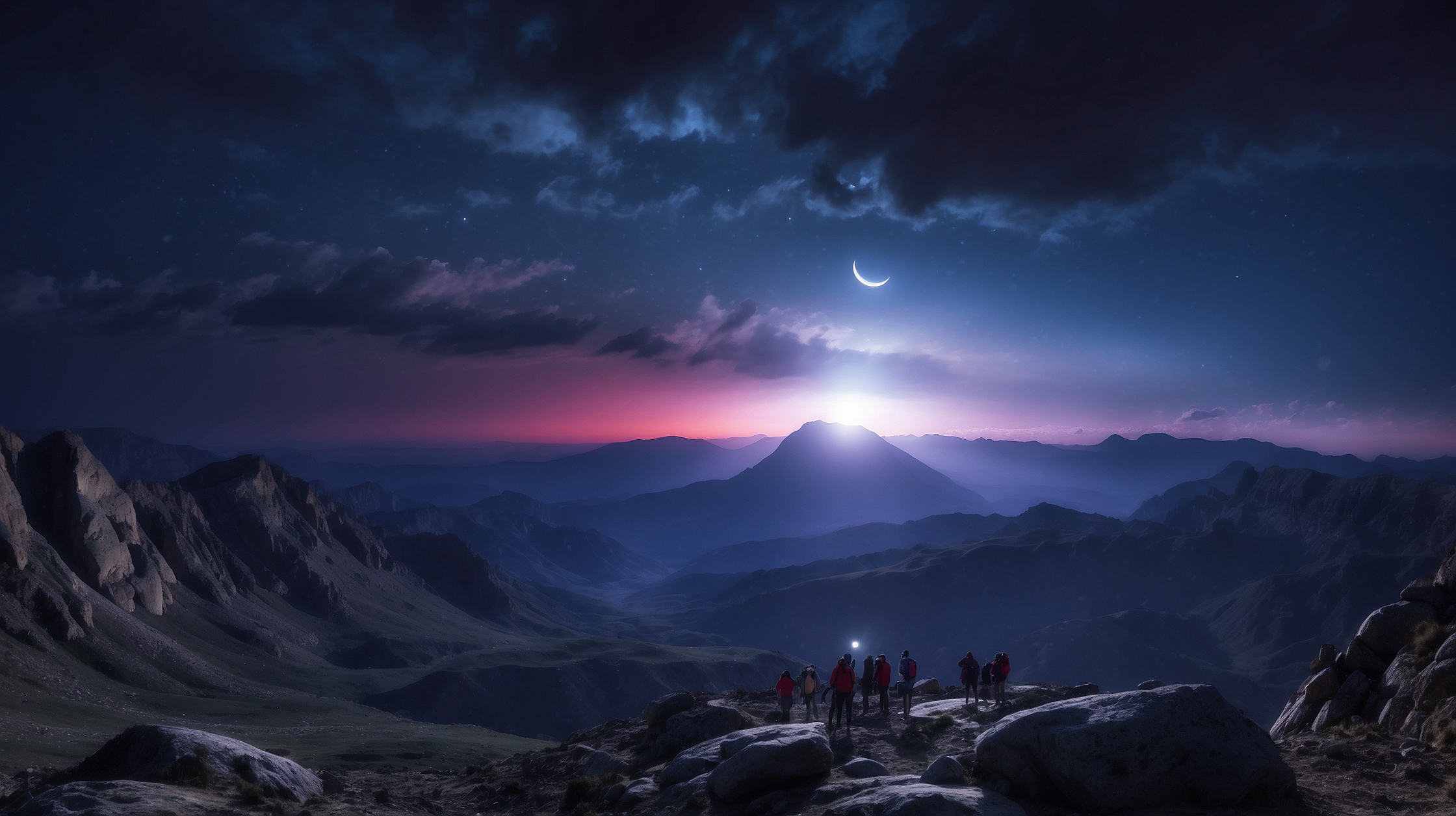
On August 12, 2026, the skies over parts of the globe will undergo a rare, awe-inspiring transformation as a **total solar eclipse** sweeps across the Earth. For several unforgettable minutes, viewers lucky enough to be in the path of totality will witness the sun vanish behind the moon’s shadow, draping day in twilight and unveiling the star-studded sky of daytime. This celestial event is already causing a stir among astronomers, travelers, educators, and sky-watchers who are preparing for what could be the most captivating eclipse of the decade.
Unlike partial eclipses, a total solar eclipse is a powerful natural spectacle where the moon completely blocks the sun’s disk, casting a shadow that moves across the Earth’s surface. Given the rarity of such events and the narrow path of totality, each occurrence becomes an extraordinary opportunity for both scientific observation and public awe. The 2026 eclipse is expected to be prominently visible across parts of Europe, North Africa, and the Arctic, giving millions the chance to partake in this once-in-a-generation phenomenon.
Solar Eclipse 2026 at a glance
| Date | August 12, 2026 |
| Type | Total Solar Eclipse |
| Duration of Totality | Up to 2 minutes, 18 seconds (varies by location) |
| Path of Totality | Northern Spain, Iceland, Greenland, North Africa, portions of the Arctic |
| Best Viewing Locations | Burgos (Spain), Valencia (Spain), Reykjavik (Iceland) |
| Time (UTC) | Begins around 17:00 UTC (varies regionally) |
What makes the 2026 eclipse exceptional
While solar eclipses occur multiple times each decade, not all are created equal. The 2026 event stands out because of its long path over densely populated and easily accessible regions such as Spain. Cities like Burgos and Valencia lie directly in the path of totality, making them prime destinations for eclipse tourism. In fact, eclipse chasers from around the world are already booking travel and accommodations to secure their vantage points months—and even years—in advance.
This eclipse is also notable due to its convergence with a peak travel period in Europe. Happening in mid-August, the timing overlaps with summer holidays in many countries, increasing both tourism potential and public engagement. Combined with its relatively favorable weather patterns in Southern Europe during this season, the eclipse is likely to be observed under clear skies by a record number of people.
Best places to view the eclipse
If witnessing totality is your goal, knowing where to be on August 12 is crucial. The **path of totality** stretches across a thin corridor where the moon will entirely obscure the sun. Outside of this path, observers will see only a partial eclipse—impressive, but vastly different from the full experience. Some of the most advantageous spots include:
- Burgos, Spain: Offers over 1 minute 45 seconds of totality and is known for relatively dry August weather.
- Valencia, Spain: Coastal visibility and long duration of eclipse make it a regional highlight.
- Reykjavik, Iceland: Uniquely positioned to provide an Arctic perspective on the phenomenon.
- Sahara Desert Region, Algeria: Offers the best chances for clear skies and the atmospheric drama of totality over sandy landscapes.
These locations also provide logistical advantages in terms of accessibility and accommodation—factors critical for large numbers of travelers planning extended eclipse expeditions.
How long the eclipse lasts
The total phase of the 2026 eclipse will last up to 2 minutes and 18 seconds at its peak, but this varies by location. The further you are to the centerline of the path, the longer the experience of total darkness. In areas outside the direct path, a partial eclipse will occur, which, while interesting, lacks the full impact of a total eclipse—like the dramatic temperature drop, unnatural stillness, and the appearance of stars and planets in the daytime sky.
Experts suggest being at your viewing location at least an hour in advance to witness the gradual progression as the moon starts to cover the solar disk—a series of moments that build anticipation before full totality hits.
Ideal safety precautions for viewing the eclipse
Never look directly at the sun without proper eye protection—not even during a partial eclipse. Astronomical agencies around the world strongly recommend the use of **ISO-certified solar viewing glasses or eclipse viewers**. Standard sunglasses are absolutely insufficient and can result in severe damage to the retina.
During totality, when the sun is completely covered, it is safe to look with the naked eye—but this lasts only a couple of minutes. As soon as the sun begins to reappear, glasses must be put back on. For photographers and telescope owners, solar filters are mandatory during all non-total phases of the eclipse. Schools, libraries, and astronomy clubs are expected to distribute approved viewers in the months leading up to the event.
“The interplay of science, nature, and emotion during a total solar eclipse creates an experience people remember for a lifetime.”
— Dr. Lucia Navarro, Astrophysicist
Scientific significance and educational impact
This isn’t just a moment for public awe—it’s an invaluable occasion for scientists to study the **solar corona**, a phenomenon only easily visible during total eclipses. The corona—a faint aura of plasma surrounding the sun—is crucial to understanding solar winds and geomagnetic storms that impact Earth. Data gathered during this eclipse will contribute to both theoretical solar physics and practical applications like satellite protection and energy grid management.
In schools and universities, the eclipse offers a unique opportunity to bring astronomy to life. Institutions across Europe and North Africa are preparing outreach programs, live broadcasts, and interactive learning events for students to engage with space science in real time.
“Every eclipse gives us a new data set—different angles, solar activity levels, and environmental contexts. It’s live research from the skies.”
— Prof. Henrik Solberg, Solar Observatory Director
Planning your eclipse journey
If traveling to the eclipse is on your radar, preparation is everything. Accommodations in eclipse zones, particularly in Spain and Iceland, are expected to fill up early. Booking your travel and lodging well in advance, possibly by early 2025, is highly advised to ensure availability and reasonable pricing. Many tour companies are also offering guided experiences that include transportation, expert talks, and prime viewing locations with minimal light pollution.
Weather is another important consideration. Historical cloud cover data can help inform your location choice, with southern Spain and Algeria typically offering clearer skies than northern parts of the path. It’s also critical to pack appropriately if heading into remote areas—bring backup batteries, water, snacks, and extra viewing glasses to be fully prepared for an extended outdoor experience.
Key things to bring for the 2026 eclipse
- ISO-certified eclipse glasses for all participants
- Camera with solar filter (for safe photography)
- Blanket or chair for comfort during setup and waiting
- Portable chargers for devices
- Snacks, water, and sun protection (especially in warm zones)
- Guide booklet or app for eclipse phases and timing
FAQs about the 2026 solar eclipse
Where is the best place to watch the eclipse?
Spain, particularly cities like Burgos and Valencia, offers some of the best weather and longest durations of totality.
Do I need special glasses to watch the eclipse?
Yes, you must use ISO-certified eclipse glasses to safely view any part of the eclipse except during totality.
Will the eclipse be visible in the United States?
No, the 2026 total solar eclipse will not be visible from the U.S. Only a very small partial eclipse may be seen from northeastern Canada or Greenland.
How long does a total eclipse last?
The 2026 eclipse will have a maximum duration of 2 minutes and 18 seconds depending on your location.
Can animals sense or react to an eclipse?
Yes, animals often display unusual behaviors such as going quiet or seeking shelter when the light dims suddenly during totality.
Is it safe to photograph the eclipse with my phone?
Yes, but like your eyes, your phone lens needs a solar filter to avoid damage and capture usable images.
What happens if it’s cloudy on eclipse day?
Unfortunately, cloud cover can obstruct your view of the eclipse. That’s why many people monitor local weather forecasts or travel to areas with lower chances of clouds.


