
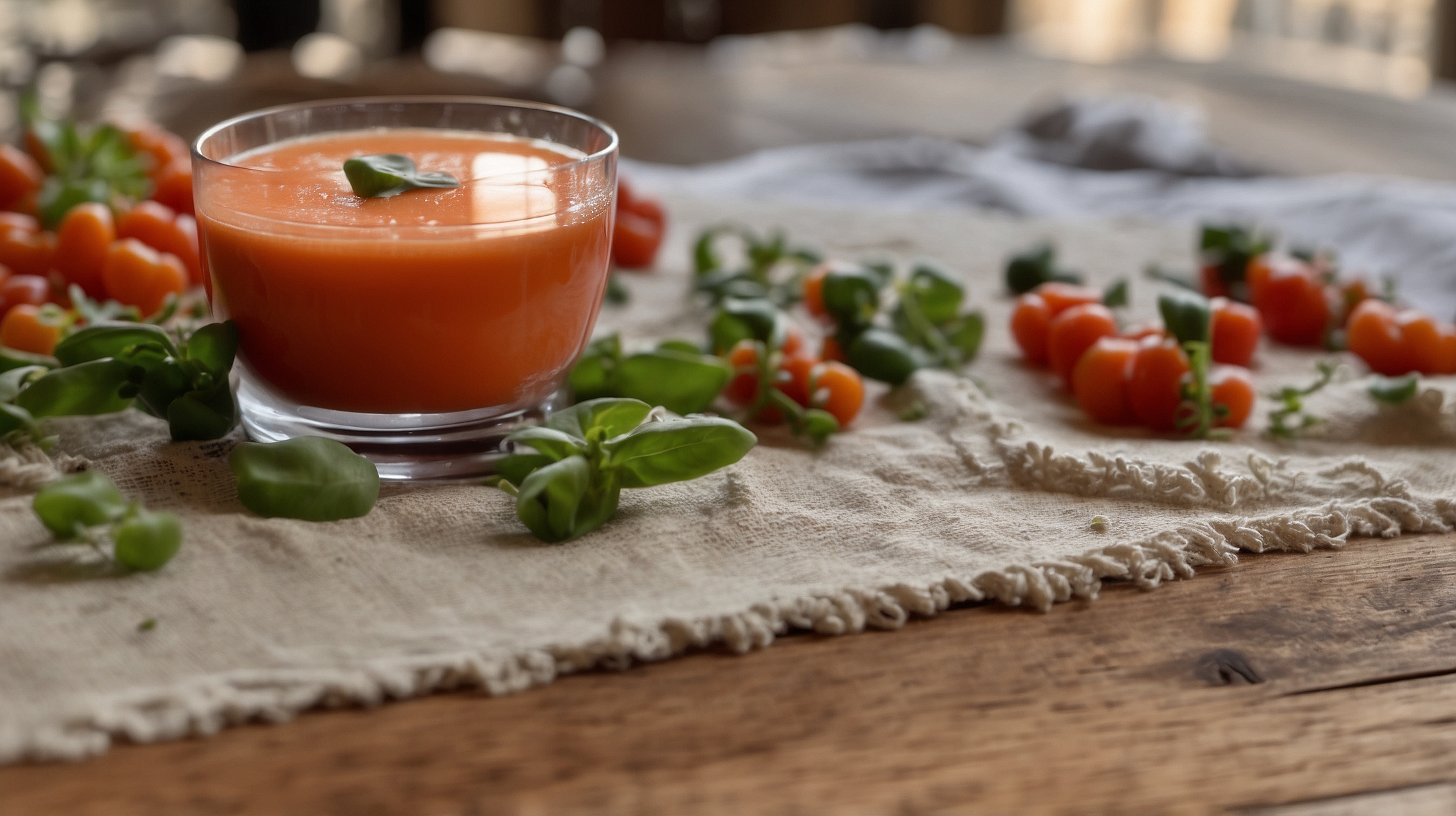
If you’re someone who often reaches for a can of tomato soup when you need a quick, cozy meal, you’re not alone. Canned tomato soup is a pantry staple for a reason—it’s convenient, inexpensive, and satisfyingly simple. But let’s face it: while it gets the job done, it often lacks that rich, homemade flavor we truly crave. The good news? There’s a surprisingly simple way to turn basic canned tomato soup into a creamy, well-balanced bowl that tastes as if it came straight from a chef’s kitchen.
Most people don’t realize that the key to transforming canned tomato soup lies not in overcomplicated ingredients or hours at the stove, but in one easy tweak that adjusts the flavor and mouthfeel in seconds. For those looking to elevate their favorite comfort soup without roasting tomatoes or making stock from scratch, read on—we’re diving into the single game-changing technique that enhances creaminess, balances acidity, and gives canned tomato soup a vibrant, fresh flavor you’ll love.
How to elevate your canned tomato soup to gourmet level
| What You Need | One can of tomato soup, baking soda, butter or cream, plus optional herbs and toppings |
| Estimated Total Prep Time | 10–15 minutes |
| Primary Trick | Adding a pinch of baking soda before any dairy |
| Main Benefit | Neutralizes acidity, prevents curdling, enhances creaminess |
| Optional Add-Ins | Fresh basil, garlic, shredded cheese, sour cream, roasted vegetables |
| Flavor Profile | Creamy, mellow, slightly sweet, and balanced |
What’s the secret trick?
The hero you didn’t know your kitchen needed? Baking soda. Yes, a simple pinch of baking soda added to the soup as it heats can completely transform its profile. Here’s why it works so brilliantly: most canned tomato soups are highly acidic, which can make their flavor taste flat or even slightly metallic. That same acidity can also cause dairy—like cream, milk, or cheese—to curdle when added to the hot soup.
Baking soda is a basic compound, and when stirred into acidic tomato soup, it neutralizes that sharpness. As a result, the soup becomes more velvety and creamy in flavor, and it offers a smoother texture that becomes the perfect canvas for buttery or dairy-rich ingredients. This means you can swirl in cream, add a handful of shredded cheddar, or melt in a knob of butter—all without the fear of unnatural textures or sour overtones.
This one simple tweak completely takes the edge off canned soup while unlocking a richness that tastes like it simmered for hours.
— Chef Dana Reynolds, Culinary Instructor
How to do it step-by-step
You don’t need advanced cooking skills or obscure ingredients. Here’s how to execute the trick at home with minimal effort:
- Pour the canned tomato soup into a saucepan and set it to medium heat.
- Before the soup starts to boil, stir in a small pinch—about 1/8 teaspoon—of baking soda.
- You may notice a little fizzing or bubbling; this is normal and a sign the pH is adjusting.
- Once that fizzing settles, allow the soup to continue heating.
- Optional: Stir in a tablespoon of cream, butter, or a mix of both. Add grated cheese if desired.
- Stir frequently for about 5 minutes until the soup is hot and perfectly smooth.
Why baking soda makes such a difference
Tomato’s natural pH ranges between 4.2 and 4.9, making it quite acidic. This is part of why tomato-based dishes can sometimes cause heartburn or taste overly tart. Baking soda, which has a pH of around 9, counterbalances that acidity without adding any additional flavor of its own. The end result is a full-bodied, mellow soup that feels far more complex than anything poured straight from a can.
It’s like giving your canned soup a homemade backbone without any chopping, blending, or roasting.
— Lila Thompson, Food Scientist (Placeholder)
Creative toppings and additions
Once you’ve balanced the flavor with baking soda and perhaps stirred in cream or butter, think of your tomato soup as a base for creativity. Here are some ideas that play beautifully with your now-balanced bowl:
- Fresh Basil or Parsley: Adds brightness and color.
- Garlic Powder or Onion Salt: Enhances savoriness.
- Roasted Corn or Peppers: Brings textural contrast and smoky sweetness.
- Crumbled Bacon: Deepens umami and offers crackling crunch.
- Toasted Croutons or Garlic Bread: Complements the creamy base.
- Sour Cream or Greek Yogurt: Offers a tangy silkiness on top.
- Grated Parmesan or Aged Cheddar: Melts beautifully into the richness.
A versatile hack for more than just canned soup
The baking soda method can also be applied to improve tomato-based pasta sauces, curries, and even homemade soups made from leftover tomatoes. Any dish that tastes “too tangy” can benefit from a careful balancing act where a pinch of baking soda neutralizes acid without changing the underlying flavor, a trick many home cooks and chefs rely on when perfect acidity is elusive.
Comparing versions: before and after
| Aspect | Without Baking Soda | With Baking Soda |
|---|---|---|
| Flavor | Tinny, acidic, one-note | Rich, smooth, mellow |
| Texture with Dairy | Curdled, separated | Creamy, blended |
| Mouthfeel | Harsh or watery | Velvety and full-bodied |
| Versatility | Limited topping compatibility | Works with a wide array of mix-ins and toppings |
Tips for getting the balance just right
Less is more when using baking soda. A pinch too much can swing the soup toward bitter or soapy. Start with a tiny amount and taste after mixing—if the tanginess still overpowers, add just a bit more. Always start small and go slow. Stir thoroughly so the baking soda dissolves evenly throughout the hot liquid.
Remember not to overheat after adding dairy. Once the baking soda has leveled out the acid, add your cream or cheese off the heat or on a low simmer to prevent any second-stage curdling.
Final thoughts on transforming the humble can
Elevating canned tomato soup can be as easy as chemistry. With just one pantry ingredient and minimal effort, you can revolutionize what was once an average bowl into a spoonful of satisfaction that tastes like it came straight from grandma’s stove. Whether you’re eating solo on a rainy day or making a quick first course for guests, this tiny trick delivers big flavor with zero fuss.
Frequently Asked Questions
Can I use milk instead of cream in the soup?
Yes, but be sure to add baking soda first to neutralize acidity so milk won’t curdle. Whole milk works best for a richer texture.
How much baking soda is safe to add?
A pinch (around 1/8 teaspoon per can) is typically enough. Too much can create a metallic or soapy taste.
Will this work on other acidic soups?
Absolutely. Any tomato-based or acidic broth, like marinara or tomato bisque, can benefit from the same method.
What dairy works best for creaminess?
Heavy cream, half-and-half, or even a dollop of sour cream are great options. Cheese also adds depth and body.
Can I make this recipe vegan?
Yes. After using baking soda, try stirring in a splash of coconut milk or oat cream for a vegan-friendly version.
Will the soup still be safe to store and reheat?
Yes. Let the soup cool completely before refrigerating. Reheat gently and stir to revive its original consistency.
Can I add protein like beans or chicken?
Definitely! After adjusting the acidity, adding cooked beans, chicken, or even tofu can boost both nutrition and heartiness.
Can I do this in the microwave instead of on stovetop?
Yes. Just microwave in short intervals, stir in baking soda midway, then add dairy afterwards and stir thoroughly.


