
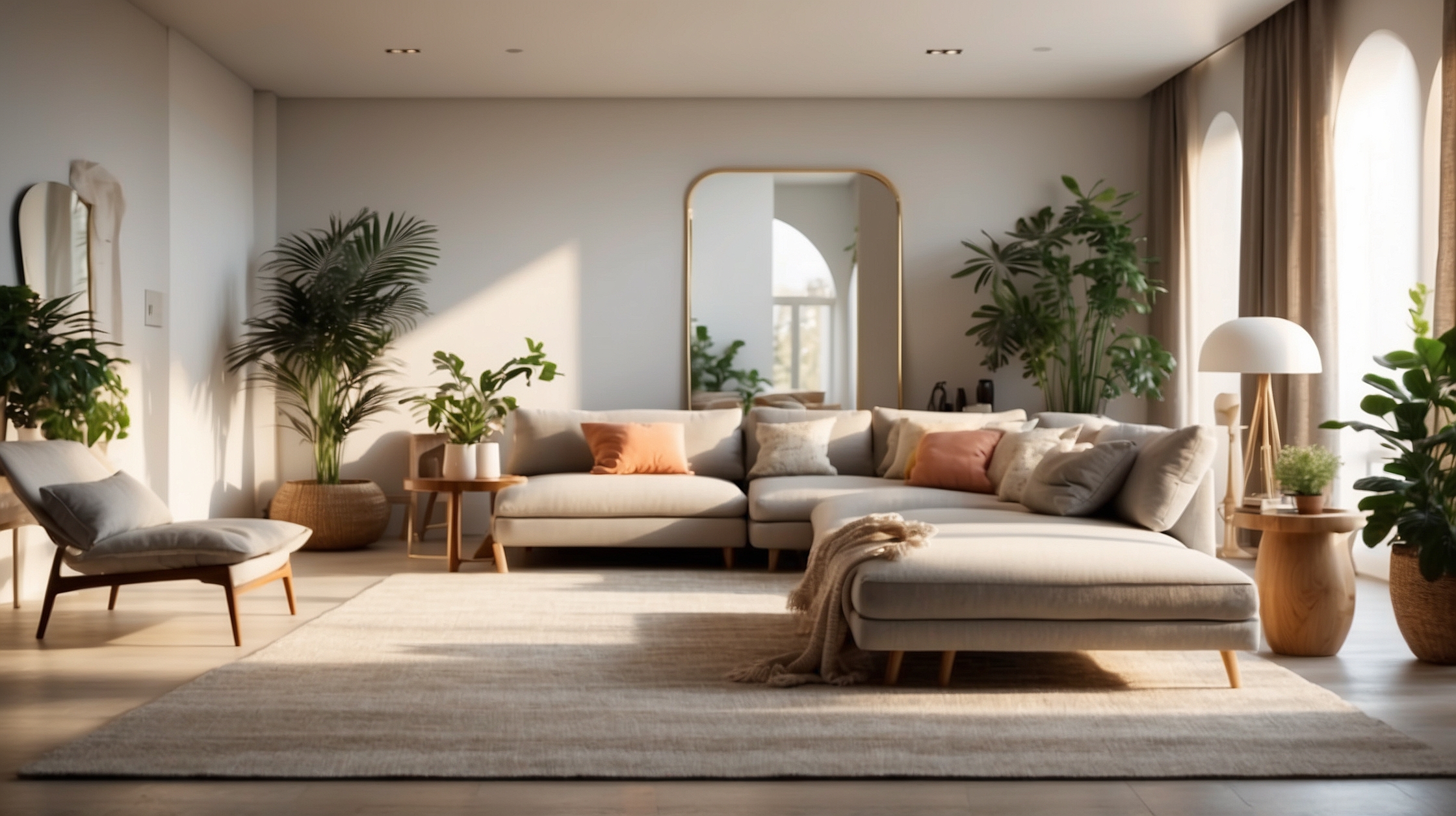
It can be a bright and sunny day outside, yet your home still feels more like a dim cave than a vibrant sanctuary. If you’ve ever wondered why natural sunlight doesn’t seem to brighten your space the way it should, you’re not alone. Many homeowners unknowingly make small design or layout choices that block or absorb natural light. The good news? You don’t have to tear down walls or install costly windows to fix this common issue.
There are several reasons your home might feel dark during the brightest hours—everything from paint color choices and window treatments to furniture placement and even cleaning habits can impact how much light gets in and around your rooms. Thankfully, a few simple adjustments can make all the difference in transforming your home into a brighter, more inviting space—without major renovations or sky-high expenses.
Quick overview of why homes feel dark—and easy ways to solve it
| Cause | Why It Makes Home Feel Dark | Simple Fix |
|---|---|---|
| Heavy Curtains/Window Treatments | Blocks natural daylight from entering | Use sheer or light-colored curtains |
| Dark or Matte Wall Paint | Absorbs rather than reflects light | Switch to light, reflective tones |
| Dirty Windows | Clouds daylight, reduces clarity | Clean windows inside and out regularly |
| Oversized or Bulky Furniture | Obstructs pathways of natural light | Rearrange or swap with smaller pieces |
| Lack of Reflective Surfaces | Prevents light from bouncing around | Add mirrors, glass, or metal decor |
| Poor Light Bulb Choices | Adds harsh or insufficient artificial lighting | Use warm or daylight LEDs strategically |
Why even sunny homes can feel shadowy
Contrary to what many people think, simply having large windows doesn’t guarantee a well-lit interior. The direction your home faces, the arrangement of furniture, and even exterior elements like trees or neighboring structures can significantly reduce daylight infiltration.
“Orientation impacts light far more than most homeowners realize,” says interior designer Jenny Marsh. “A south-facing room will flood with daylight, while north-facing spaces often need lighting design help. Knowing your home’s axis is crucial.”
The impact of window treatments on natural light
One of the most common culprits is using heavy drapes or dark blinds. While these may add privacy or style, they often block the very thing your space needs more of—sunlight. Even when drawn partially, thick fabrics can diminish how much light flows through. Solution? Opt for sheer curtains, light-filtering blinds, or adjustable treatments that allow for flexibility without sacrificing brightness.
“Switching from blackout curtains to sheer panels instantly changed how airy my living room felt—even my mood improved.”
— Sarah Kent, Homeowner
How clean—or dirty—your windows really are
You might be surprised how much of a difference some elbow grease can make. Dust, dirt, and even hard water stains can drastically obscure daylight. Cleaning windows inside and out twice a year—not just wiping but deep cleaning—enhances transparency and allows unfiltered sunlight to pass through more effectively.
Paint choices that either kill or amplify light
Wall color plays a massive role in how light rebounds within a room. Deep, matte tones absorb light, while bright or neutral glossy paints reflect it. Opting for off-whites, soft grays, pale yellows, or cool pastel tones helps bounce sunlight stronger across walls. Adding semi-gloss finishes can dramatically brighten darker rooms.
Interior expert Laura Simons notes, “Paint is like a mirror—choose your substrate and finish with intention. Eggshell or satin finishes reflect more than flat paints, giving even small, shaded rooms an enhanced glow.”
Furniture layout and how it blocks brightness
Think of your rooms like sun highways—large pieces of furniture placed incorrectly can act like roadblocks. Oversized sofas, tall bookshelves, or boxy entertainment centers often sit too close to windows, preventing light from reaching deeper into the space. Rearranging pieces away from light sources clears pathways, allowing brightness to travel.
“I rotated our couch away from the windows and used a lower coffee table—and suddenly, the entire room looked 20% brighter.”
— Tom Brenner, Realtor
Why mirrors are the ultimate light enhancers
Mirrors are among the simplest tools for multiplying light. When placed across from a window, a large mirror reflects incoming sunlight deeper into the room. Even smaller mirrored or reflective decor—like metallic light fixtures or glass tables—helps catch and spread brightness.
Try adding a mirror near the darkest corner of your living room and watch how the space transforms within minutes. You don’t need a wall-to-wall installation; strategic placement is all it takes.
The case for better artificial lighting
Not all lighting is created equal. Dim overhead bulbs, mismatched lamp temperatures, or insufficient layered lighting schemes can leave rooms feeling shadowy even when they technically have “enough” light. Use a layered lighting approach: combine ambient (ceiling lights), task (desk lamps), and accent (sconces or LED strips) lighting throughout.
Select bulbs with “daylight” or warm light tones (2700K–3000K) to complement natural light and reduce stark contrasts. A dimmable fixture gives you ultimate flexibility.
Final thoughts: Your home doesn’t need to feel like a cave
Don’t let a lack of brightness drag down your energy levels or home’s appeal. A handful of smart, inexpensive adjustments—in window treatments, cleaning habits, wall color, and lighting—can bring your space to life. Harness the power of design psychology and natural elements to ensure your home not only looks brighter but feels warmer and more inviting.
“Most people blame the sun or layout, but often the issue is right inside your home. Small tweaks lead to huge gains in comfort and illumination.”
— Mark Langston, Lighting Consultant
FAQs: Common questions about dark homes and lighting fixes
What paint colors make a room feel brighter?
Light, neutral tones like soft white, pale gray, cream, and cool pastel shades help reflect daylight and brighten a room.
How often should I clean my windows to maximize sunlight?
At least twice a year—once in the spring and once in the fall—is ideal for maintaining clear, light-friendly windows.
Should I remove heavy curtains altogether?
You don’t have to remove them completely, but consider swapping them for lighter, semi-sheer versions that filter light without blocking it.
Can LED lighting help brighten a dark room?
Yes, especially daylight-tone LEDs (5000K color temperature) used in layered lighting layouts to mimic natural sunlight.
What’s the best way to use mirrors to increase light?
Place mirrors across from windows or in dark corners to reflect natural light into deeper areas of the room.
Could furniture arrangement really impact how light travels?
Absolutely. Tall or wide furniture blocking windows or pathways can stop light from spreading—rearranging can make a noticeable difference.
Are north-facing rooms always darker?
Generally, yes. North-facing rooms get the least direct sunlight, so they often benefit most from brighter paint, lighting, and mirrors.
Is artificial lighting a good replacement for natural light?
While nothing fully replaces sunlight, well-placed artificial light can simulate brightness and improve ambiance, especially when natural light is limited.


