
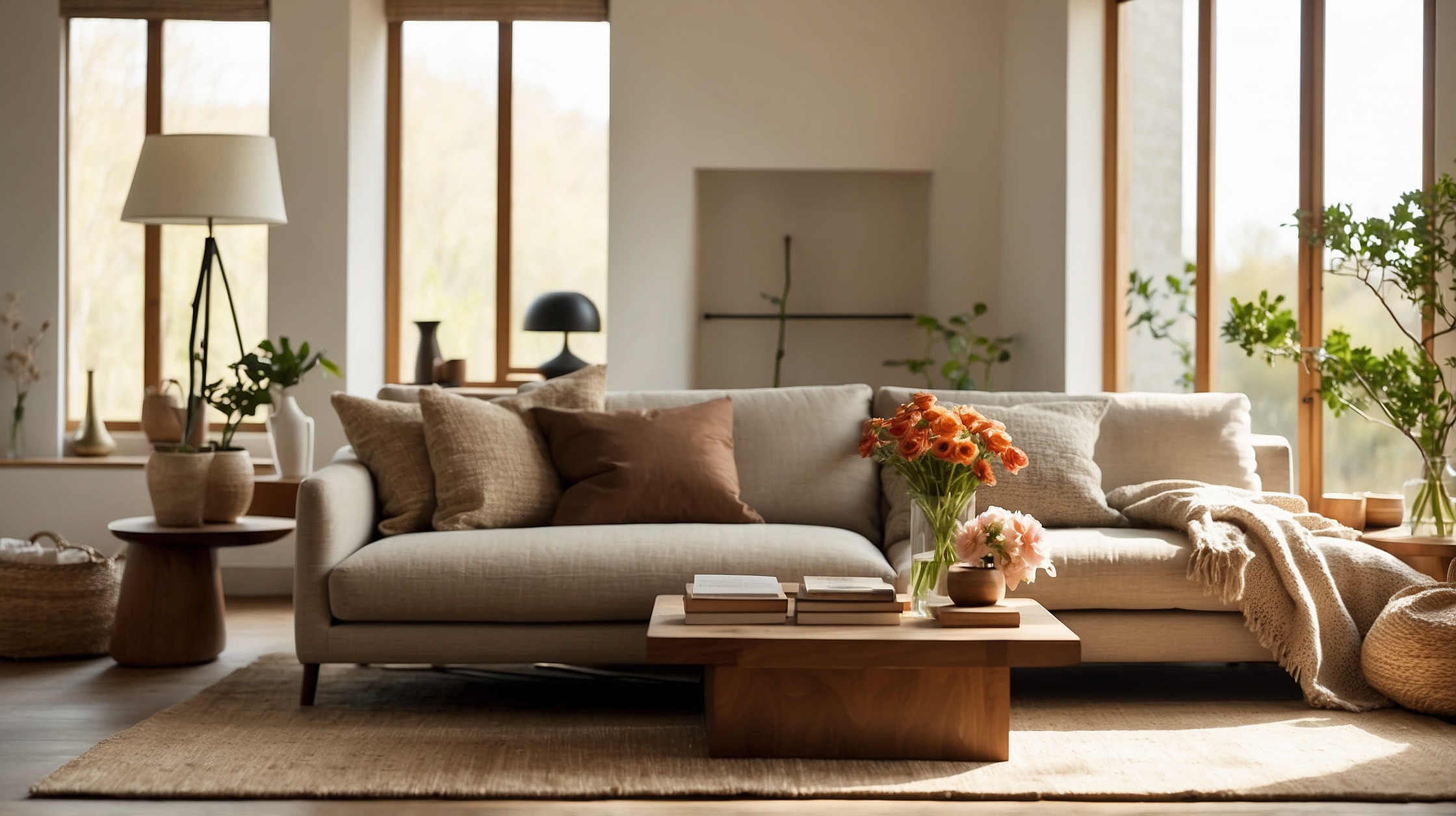
You’ve spent the whole afternoon cleaning—vacuumed the floors, wiped down counters, and tidied up every corner—yet your home still doesn’t look the way you imagined. Something feels off, as though you’re one scented candle away from perfection, but it still isn’t quite there. If you’ve ever felt this way after a thorough clean-up, you’re not alone. Millions face the frustrating mystery of a home that remains visually messy, even when it’s technically clean. The answer isn’t clutter—it’s something more subtle and deeply psychological.
The hidden culprit? **Visual noise**. A concept rooted in psychology and interior design, visual noise refers to the mental clutter caused by mismatched items, jarring color combinations, overly packed bookshelves, or too many small decorative elements. These may not be disorganized in the traditional sense, but they create cognitive overload that makes spaces feel cramped, chaotic, and disjointed—even when every item is in its “right” place.
Why your clean home still looks messy
| Issue | Description | Fix |
|---|---|---|
| Visual Noise | Too many patterns, colors, or varied textures | Intentional color schemes and storage choices |
| Open Storage | Exposed shelving, stacked items, visible clutter | Closed cabinets or decorative bins |
| Over-Decoration | Too many small objects or competing focal points | Curate decor and remove what’s nonessential |
| Mismatched Furnishings | Inconsistent furniture styles or colors | Unify tones or styles with slipcovers or paint |
| Lack of Cohesion | Disconnected themes or room arrangements | Stick to a consistent style or vision |
Understanding the power of ‘visual noise’
Visual noise is that background buzz your eyes pick up even if your brain doesn’t consciously notice it. Think of open bookshelves packed with mismatched books, mail left neatly in a letter tray, or even family photos in clashing frames. They may be organized, but collectively, they pull your attention in too many directions, making the space feel overwhelming. It’s a subtle but powerful force that impacts how polished—or chaotic—a space looks and feels.
“The brain craves patterns and cohesion,” explains interior psychologist Dr. Lila Mead. “If the eye bounces around with nowhere to settle, we feel restlessness, even if we can’t articulate why.”
The simple fix: Reduce, conceal, and streamline
Reducing visual noise isn’t about minimalism, although that can help. It’s about **strategic simplification**. You don’t need to throw out cherished items, but you may need to rethink how and where they’re displayed. Here are the three key concepts: conceal items that don’t need to be visible, reduce the number of standalone elements, and streamline your colors, shapes, and storage solutions.
Conceal what you can
Open shelving may look chic in magazines, but it often invites chaos in real life. Opt for closed storage wherever possible. If open shelves are a must, limit them to a few curated and color-coordinated pieces. Use baskets or solid-colored bins to hide visual clutter inside pantries, closets, and toy rooms.
Reduce over-decoration
Layered textures and eclectic collections may work in stylist-led photoshoots, but in a daily living space, they can quickly become overwhelming. Instead of multiple small knick-knacks on a mantel, go with one large art piece or a single vase with fresh greenery for a cleaner visual rhythm.
Streamline colors and materials
Color inconsistency is a major offender. Stick to a tight core palette for walls, furniture, and decorating items. For example, warm neutrals with muted greens or cool whites paired with navy accents create a soothing effect. Furniture that clashes—say, a dark wood table and glossy black chairs—can be unified with paint, slipcovers, or matching linens.
How storage habits affect aesthetics
Home organization often focuses on utility more than aesthetics. But when baskets are mismatched, wire shelving is left exposed, or cords are visible from every corner of the room, those minor irritants elevate into full-blown sources of visual tension. Even your choice of laundry hamper or utensil holder can influence how “clean” a home feels.
“Visual order doesn’t stop at where things are placed, but in how they appear visually,” says organizing expert Jana Rivers. “Matching textures, colors, and lines creates a sense of intentionality that the brain interprets as cleanliness.”
The role of lighting and layout
Sometimes a space feels messy simply because lighting isn’t doing it any favors. Dark corners, sharp shadows, and overly warm or cold tone bulbs all enhance visual irregularities. Invest in layered lighting: ceiling fixtures for broad illumination, task lighting for specific areas, and accent lighting to highlight your favorite features.
Likewise, your **furniture arrangement** influences how visually chaotic a room feels. Too many small pieces scattered around the room can feel disorganized, even if neatly placed. Pair down by creating clearly defined spaces—a reading nook, a working corner, a social area—rather than a catch-all layout.
Room-by-room changes that create immediate calm
Here is how to eliminate visual noise from individual rooms:
- Living Room: Use symmetrical layouts and reduce the number of visible cords, remote controls, and small display items.
- Kitchen: Keep countertops clear. Store appliances that aren’t used daily. Use drawer organizers to hide everyday clutter.
- Bedroom: Minimize visual clutter by keeping nightstands clean and matching bedding to wall tones.
- Bathroom: Store skincare and toiletries in drawers or opaque containers. Choose a few matching towels rather than a variety of colors.
- Entryway: Use hooks and enclosed storage instead of open baskets or piles. Keep shoe racks out of direct view if possible.
Psychological benefits of reducing visual clutter
A cleaner-looking home doesn’t just please visitors—it profoundly affects your well-being. Visual order promotes mental clarity, reduces stress, and even supports better sleep. This isn’t just a design fad; it’s neuroscience. Research has consistently shown that overexposure to disorganized visual stimuli leads to increased cortisol levels and decreased productivity.
“Even if they’re clean, environments full of visual noise signal the brain to be alert. Calm spaces tell the brain it’s safe to rest.”
— Dr. Elena Marcos, Environmental Psychologist
Winners and losers in home design strategy
| Winners | Losers |
|---|---|
| Closed cabinetry | Open shelving with disorganized contents |
| Monochromatic palettes | Clashing colors and busy patterns |
| Streamlined furniture | Over-furnished or mismatched rooms |
| Intentional decor | Overuse of small decorative items |
Small changes that make a big difference
You don’t need a full renovation to bring peace to your environment. Start small. Choose a shelf, a coffee table, or your entryway. Ask: Do all these items need to be visible? Do they match or clash? Would the space breathe better with half of it removed? Perform a weekly “visual check-in” to make sure you’re staying true to your desired aesthetic.
“Simplifying your visual environment is like turning down background noise. You create space not just in your home, but in your mind.”
— Andrea Cho, Interior Stylist
Frequently asked questions
How do I know if visual noise is a problem in my home?
If your home feels chaotic even after cleaning and decluttering, you’re likely dealing with visual noise. Take photos of your space and observe where your eyes go first.
Is minimalism the only solution?
No, minimalism is not required. You can still have a warm, full-looking room as long as color palettes are coordinated and storage is used wisely.
What’s the quickest way to reduce visual clutter?
Clear off countertops and surfaces, conceal cords, and remove any items that don’t belong to a consistent theme or purpose.
Can changing lighting really affect how clean a room looks?
Yes. Proper lighting enhances dimensions, reduces shadow clutter, and sets the tone for a space. Cool white light can help things look crisper and cleaner.
Do matching furniture sets help reduce visual clutter?
Matching furniture can help establish coherence, but you can also achieve harmony through coordinated colors and shared textures.
Are there products designed specifically to help with visual noise?
Yes. Concealed storage solutions, neutral-colored organization items, and faux fronts for electronics can make a big impact.
How often should I reassess my space for visual clutter?
Consider doing a visual audit monthly, or anytime you bring in new furniture or decor that might change the balance of your space.


