
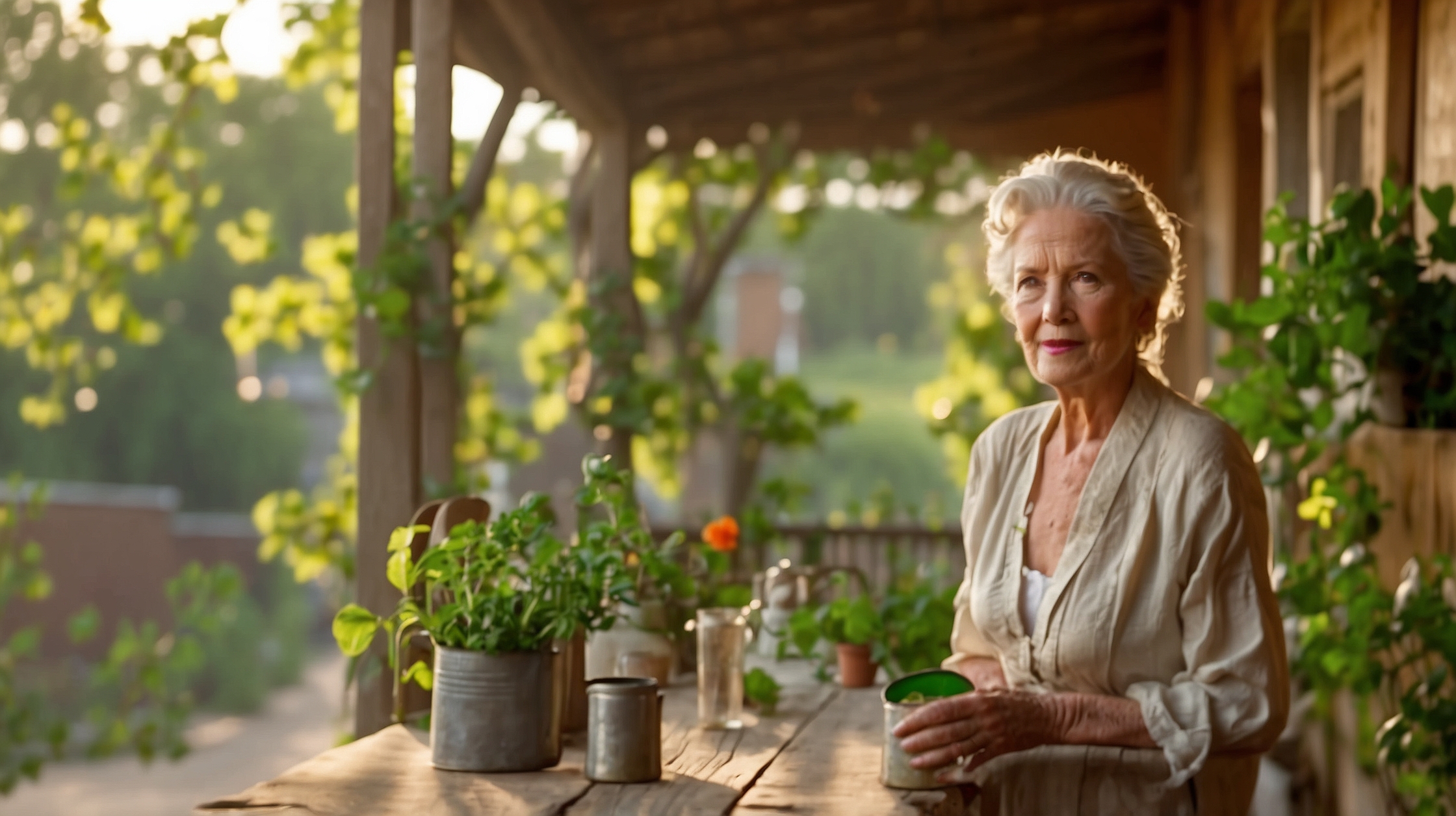
At 100 years old, one woman is redefining what it means to age with grace, vitality, and independence. While most centenarians are either living in assisted care or under constant medical supervision, she is skipping retirement homes altogether—choosing instead a lifestyle grounded in simplicity and self-care. Her secret? It’s not expensive therapies or miracle diets, but a dedication to basic daily habits that have sustained her for a century.
As society continues to grapple with rising healthcare costs and skyrocketing assisted-living expenses, her story is both refreshing and inspiring. Rather than relying on a parade of doctors and prescriptions, she has maintained her mental and physical well-being with what she calls “quiet consistency”: drinking water, eating modestly, walking daily, and keeping a positive outlook on life. Her longevity is more than luck—it’s the result of conscious everyday decisions that anyone can adopt.
At a glance: Her lifestyle and key principles
| Age | 100 |
| Living Situation | Independent, in her own apartment |
| Healthcare Dependence | Minimal, only routine checkups |
| Diet | Simple, home-cooked meals |
| Physical Activity | Walks daily, light stretches |
| Social Interaction | Regular family visits, strong community ties |
| Daily Rituals | Early bedtime, morning meditation, journaling |
Why her story is gaining attention
With global life expectancy rising and the aging population growing, how to live well past 80, 90—even 100—is becoming a critical topic. Her story offers a counter-narrative to the high-tech, pill-driven approach to aging seen in many parts of the world. Instead, she demonstrates that **natural lifestyle choices** can be just as powerful, if not more so, than scientific interventions.
Media interest has been piqued by the simplicity of her routine. Unlike headlines touting rare genetic mutations or expensive gene therapies, her longevity stems from old-fashioned habits: rising early, limiting sugar, drinking water throughout the day, and bathing in sunlight whenever possible. “I don’t do anything special,” she says, “I just take care of myself like my mama taught me.”
Daily habits that promote longevity
Breaking down her routine reveals a pattern of structure, purpose, and calmness. Each day is framed by routines that support both mind and body:
- Wakes by sunrise and starts the day with warm water and lemon
- Performs light stretches or a short walk around the neighborhood
- Eats breakfast of oats, fruits, and tea—always seated without screens
- Spends time gardening or reading outdoors to absorb calming sunlight
- Social interaction with grandchildren and neighborhood friends
- Evenings wind down early with gentle music and journaling
- Lights out by 9:00 PM sharp
This set of behaviors is neither costly nor elaborate. It’s simply a lifestyle honored over decades—a rhythm that prioritizes health without the stress of counting steps or calories.
“Longevity is often less about medical miracles and more about respecting your body’s basic needs.”
— Dr. Hannah Wei, Geriatric Specialist
The cost of skipping retirement homes
Assisted living facilities can cost anywhere between $3,000 to $9,000 per month depending on location and care level. By maintaining independence, she saves tens of thousands of dollars annually—a fact that makes her lifestyle not only healthy but economically sensible. But make no mistake: this wasn’t accidental. She has maintained low personal debt, zero mortgage, and a frugal lifestyle throughout her life.
“Retirement homes are essential for many, but when seniors can remain independent through healthy habits, it offers physical, emotional, and financial freedom.”
— Miguel Serrano, Certified Aging-in-Place Specialist
Winners and losers of staying independent in old age
| Winners | Losers |
|---|---|
|
|
How attitude impacts health over time
She credits her optimistic attitude as just as important as her physical routine. “I laugh every day,” she says, “even if it’s at myself.” Research backs this up—studies show that positive emotional habits contribute directly to cardiovascular health and cognitive resilience. Beyond mood, optimism helps reduce inflammation and fend off chronic stress, both of which are common aging accelerators.
Staying connected to her community has also helped her stay mentally agile. From writing letters to participating in local book clubs, her interpersonal engagement gives her days purpose and builds emotional resilience.
Is her lifestyle replicable?
Critics might argue her longevity is due to good genes. While genetics undeniably play a role, longevity experts say that environment and daily routine account for **up to 70% of lifespan variation**. This means her lifestyle is more than just inspirational—it’s replicable. Simple actions like drinking enough water, walking a little each day, and sleeping well can dramatically shift a person’s health trajectory and lifespan potential.
Equally important is consistency. Unlike short-lived diet fads or extreme fitness spikes, her steady, supportive practices are what make a true difference. Health experts confirm that incremental and sustainable steps are the keys to real change.
The core takeaways
- Healthy lifestyle choices can greatly reduce reliance on doctors and medication
- Simplicity often trumps complexity when it comes to sustainable health routines
- Staying engaged with life—emotionally and socially—helps preserve cognitive function
- Economic benefits of staying independent may allow seniors to stretch their savings further
- Routine, consistency, and emotional well-being are silent but powerful wellness tools
“You don’t need a crystal ball or a prescription pad to age well. Sometimes, it’s about going to bed early and drinking water.”
— Fiona Lee, Holistic Aging Coach
Frequently asked questions about healthy aging
What diet does she follow?
Her diet is simple and home-based: whole grains, fruits, vegetables, occasional fish, and minimal processed foods.
Is she on any medication?
She takes only basic supplements and occasional over-the-counter remedies, with no major prescription dependence.
Does she exercise regularly?
She walks every day and participates in light movement like stretching and gardening to maintain flexibility.
How does she stay mentally active?
She reads daily, writes in journals, plays word games, and maintains strong social engagement.
Can anyone replicate her lifestyle?
Yes, most of her habits are accessible and require minimal resources—just commitment to daily consistency.
How much sleep does she get?
She sleeps 8–9 hours every night by going to bed early and maintaining a calm bedtime routine.
What’s her view on modern medicine?
She respects it but prefers intuition and prevention through daily care wherever possible.
Does she live with family?
No, she lives independently but remains closely connected with children and grandchildren who visit regularly.


