
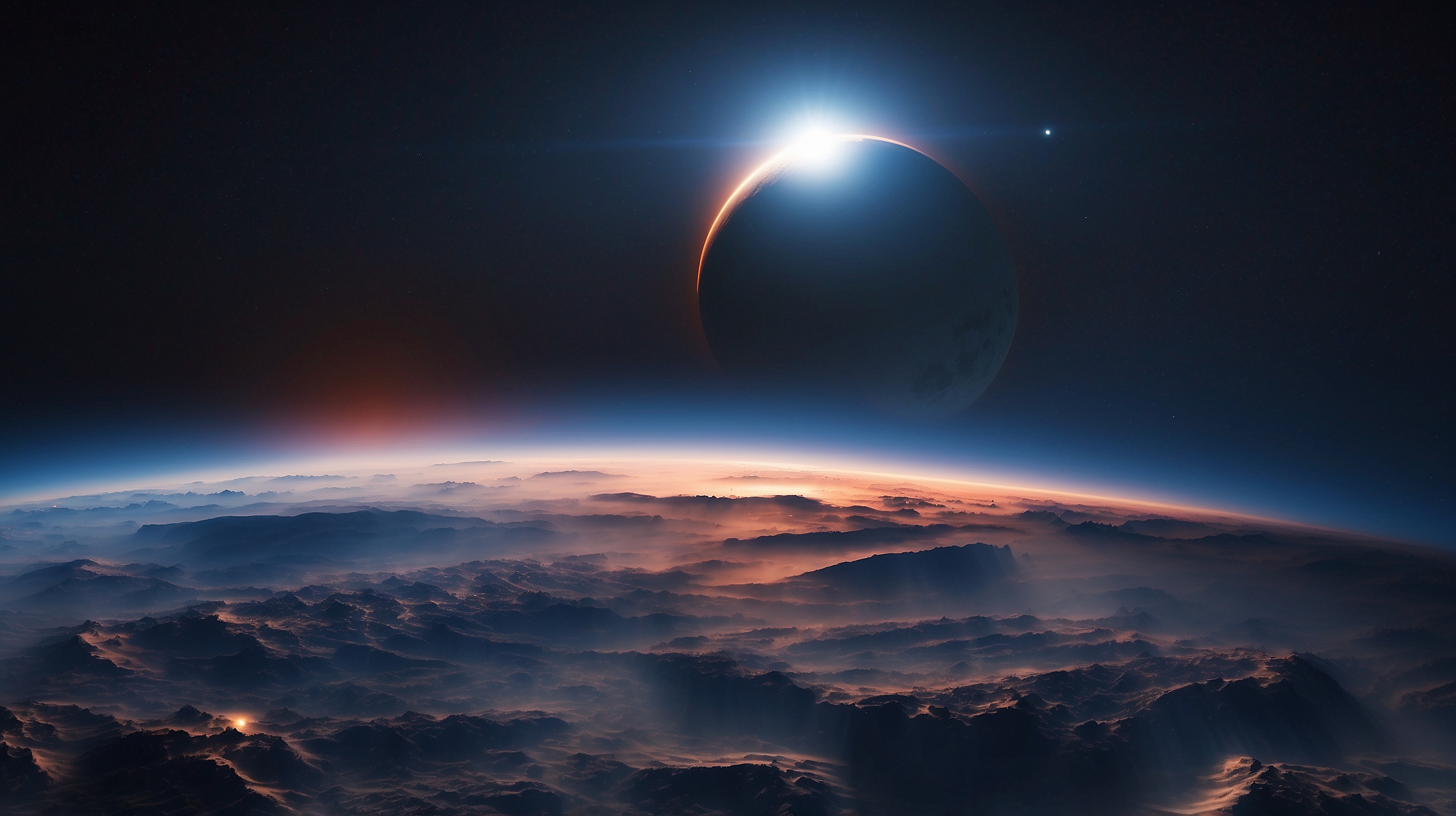
The upcoming total solar eclipse, dubbed the “Eclipse of the Century,” is generating a wave of excitement across the globe. On its predicted date, this celestial event will plunge parts of the Earth into darkness for an astounding **six minutes**, eclipsing most modern records for totality. With anticipation soaring, travelers, eclipse chasers, scientists, and amateur stargazers are preparing for what may be a once-in-a-lifetime experience. But not all locations are created equal, and only a limited number of areas will witness the full scope of this extraordinary spectacle.
The path of totality—the narrow region where viewers can witness the complete obscuration of the Sun by the Moon—will streak across multiple nations and be visible from some of the most remote, pristine environments. Planning is critical: timing, location, and weather conditions will determine whether you see a brief blink of darkness or bask in a full six-minute total eclipse. Here’s everything you need to know to witness the “Eclipse of the Century” in its most prolonged glory, complete with mapped details, optimal viewing sites, and expert insights into what makes this event truly historic.
Quick Overview of the 6-Minute Eclipse
| Event Name | Eclipse of the Century |
| Date | Scheduled for 2027 |
| Duration of Totality | Up to 6 minutes 23 seconds in some locations |
| Best Viewing Locations | Egypt, Luxor; Red Sea coastal regions; parts of Saudi Arabia |
| Areas in Path of Totality | Northern Africa, parts of the Middle East |
| Peak Time | Midday, local time depending on region |
Why this eclipse is historic
Total solar eclipses happen roughly every 18 months, but not all are equal. The totality—the period during which the Moon completely obscures the Sun—is typically under three minutes. The 2027 eclipse is different: it offers a maximum of **6 minutes and 23 seconds** of darkness, making it the **longest total solar eclipse of the 21st century.** For comparison, the 2017 eclipse seen across the U.S. had a maximum duration of barely 2 minutes 40 seconds.
What makes an eclipse longer? Several astronomical factors must align: the Moon must be at its perigee (closest point to Earth), and Earth should be at or near aphelion (farthest from the Sun). Combine that with a path that crosses directly near the equator—where Earth’s rotational speed is highest—and the duration of totality is extended. All of these conditions converge in 2027.
“This isn’t just a spectacle—it’s a rare chance for astronomers to collect data we can’t gather under any other conditions.”
— Dr. Lina Farouk, Astrophysicist
The best spots to see six minutes of darkness
While many regions will experience the eclipse, only a few will sit directly under the longest path of totality. The absolute best spot for eclipse watching? Experts agree it’s **Luxor, Egypt**, where the duration reaches a jaw-dropping 6 minutes 23 seconds. Clear desert skies, minimal cloud cover, and cultural landmarks like the Valley of the Kings make Luxor an unbeatable viewing location.
Other strong contenders include the **coastal areas along the Red Sea**, where optimal weather meets accessible accommodations. Port towns in **Sudan and Saudi Arabia** lie near the eclipse’s central line, offering striking views over waters shimmering under total darkness.
Planning the perfect eclipse-watching trip
If you’re planning to witness the total solar eclipse, early preparation is essential. Accommodations in top-viewing areas are already being snapped up by astronomy groups and travelers. Opt for lodging near the eclipse path but not in major crowd centers to avoid congestion. Booking guided eclipse tours or attending organized viewing events can also streamline the experience.
Don’t forget to pack essentials: **ISO-certified eclipse glasses**, cameras with solar filters, and detailed eclipse maps are must-haves. If photographing the eclipse, rehearse your camera setup beforehand, as totality is brief and unforgiving of errors.
Countries and regions in the eclipse path
The 2027 eclipse begins over the eastern Atlantic Ocean and sweeps across Africa and the Arabian Peninsula. Countries that will experience totality—meaning the full blocking of the Sun—include:
- Morocco
- Algeria
- Tunisia
- Libya
- Egypt
- Sudan
- Saudi Arabia
- Yemen
Partial views will extend into southern Europe and farther into the Middle East. These areas will see only a fraction of the Sun covered and will not experience the sky-darkening magic of totality.
Weather predictions and visibility odds
Solar eclipses are visual events, so clear skies are paramount. Historical weather data suggests that **Egypt and the Red Sea region** offer the best odds of favorable conditions, with **less than 10% cloud probability** in late summer. Inland Sudan and parts of Saudi Arabia also show strong visibility potential, but can become extremely hot during eclipse hours.
“Choosing your viewing location wisely isn’t just about where the eclipse happens—it’s about cloud cover, geography and accessibility.”
— Petros Khalid, Eclipse Tour Operator
Winners and potential challenges
| Winners | Losers |
|---|---|
| Astronomy communities | Residents/visitors outside path of totality |
| Travel and hospitality sectors in Sudan and Egypt | Regions with high cloud probability or political unrest |
| Scientists collecting corona data | Unprepared amateur viewers |
Scientific opportunities during totality
For scientists, the eclipse is more than a light show. The brief moment when the Sun’s blazing disk is covered allows researchers to observe its **corona**, or outer atmosphere, usually overwhelmed by sunlight. Data collected during these rare windows can inform everything from solar wind behavior to cosmic ray filtering.
Multiple research teams are already preparing to deploy instruments along the path, especially at points where the eclipse lasts longest. Aircraft and balloon-based observation platforms will extend viewing well beyond ground capabilities.
Safety measures every viewer must follow
Never view a solar eclipse with the naked eye until totality is achieved. Always wear **certified eclipse glasses** during the partial phase. Regular sunglasses are not adequate and can result in serious vision damage. Caution is particularly important for children, who may remove glasses prematurely out of curiosity.
During the brief window of totality, when the Sun is fully covered, it’s safe to look directly at it—a thrilling visual gift of the cosmos. But as soon as the Sun begins to reemerge, protection must be re-worn immediately.
The cultural and emotional impact of seeing an eclipse
Across history, total eclipses have inspired awe, fear, and religious interpretations. Today, they continue to draw crowds not just because of scientific significance, but for the existential and emotional resonance they create. For many, witnessing the sky go dark in the middle of the day—when birds fall silent and temperatures drop—serves as a stark reminder of the universe’s scale and mystery.
Stories abound of eclipse watchers crying, strangers hugging, and even spontaneous applause from crowds as the Moon kisses the heavens. It’s a communal experience, one shared under a shadow as ancient as time.
FAQs about the 2027 Eclipse of the Century
When is the exact date of the eclipse?
The total eclipse is set to occur on **August 2, 2027**. The peak time will vary depending on your geographic location.
How long will totality last at maximum?
The longest possible duration will be approximately **6 minutes and 23 seconds** in Luxor, Egypt.
Do I need special glasses to view the eclipse?
Yes, you must wear **ISO-certified eclipse glasses** before and after totality for safe viewing.
Can I view the eclipse from Europe?
Some parts of southern Europe may see a **partial eclipse**, but full totality will not be visible.
What time should I start viewing?
Begin watching at least an hour before the scheduled totality to track the partial phase and avoid missing key moments.
Will weather affect visibility?
Yes. Clear skies are essential. Historical data suggests that deserts and coastal Red Sea regions offer the best conditions.
What happens during totality?
The Sun will be fully blocked by the Moon, turning day into night. Temperatures may drop, and stars and planets become visible.
Can I photograph the eclipse with my phone?
Yes, but only with a **solar filter** attached to avoid damage to both your camera sensor and your eyes.


