
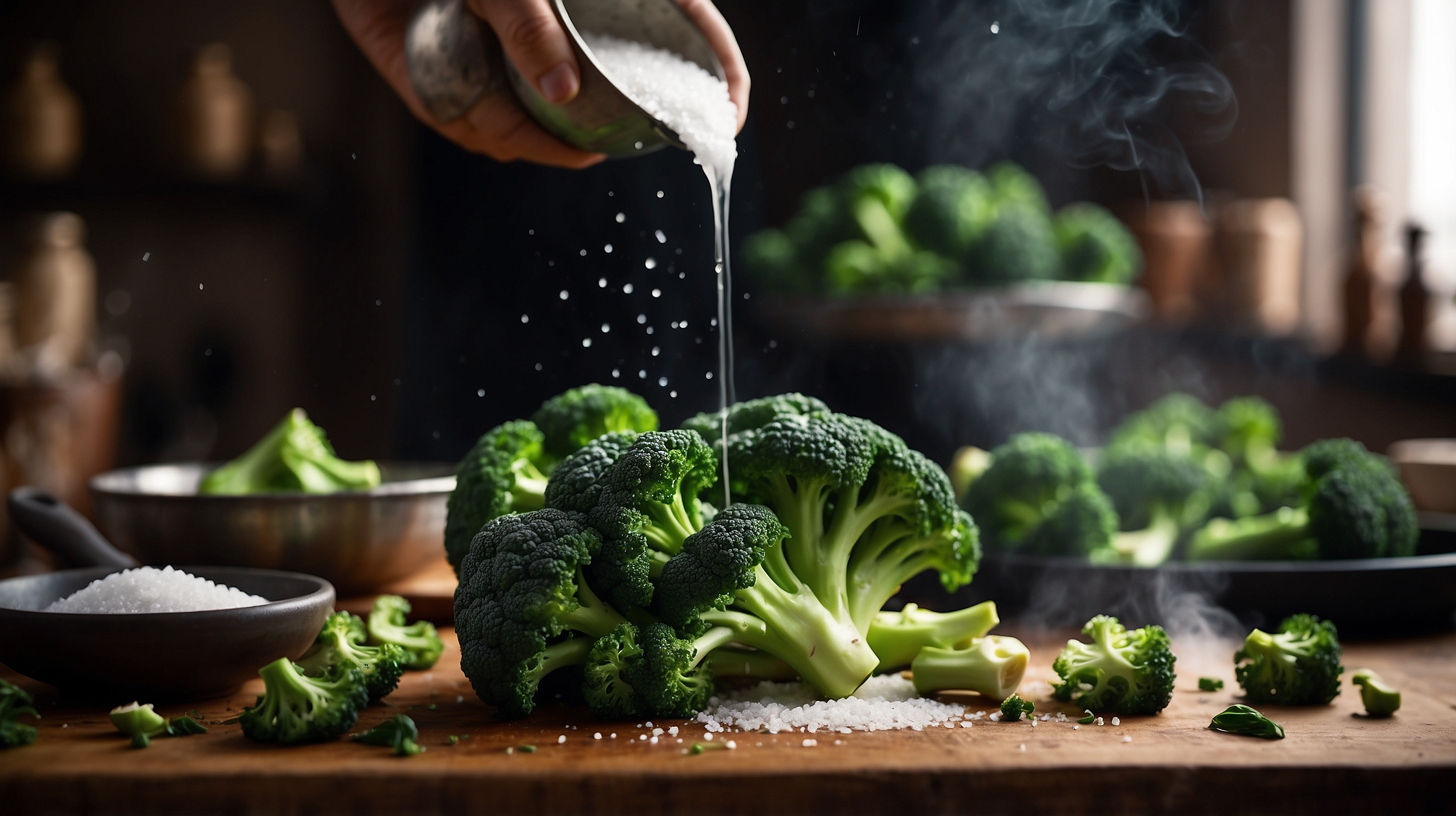
Broccoli has long been heralded as one of the healthiest vegetables available, lauded for its dense nutrient profile and disease-fighting compounds. Yet, how we prepare broccoli can make a significant difference in the nutrients it delivers. While many assume steaming or boiling retains the most value, recent culinary and nutritional analysis reveals otherwise. The *best way to cook broccoli for maximum nutrients* is neither boiling nor eating it raw—there’s a science-backed sweet spot that preserves its health benefits while enhancing flavor and texture.
As health-conscious consumers look to fine-tune their diets, small adjustments in how vegetables are cooked can yield big health dividends. Broccoli, in particular, contains sulforaphane—a potent antioxidant and anti-inflammatory compound that plays a vital role in cancer prevention and cardiovascular health. But due to its sensitivity to heat and cooking duration, the method used to cook broccoli determines how much sulforaphane and other essential vitamins remain after preparation. Discover how to unlock the highest potential of this nutritional powerhouse using modern cooking insights.
Broccoli nutrition at a glance
| Nutrient | Raw | Boiled | Steamed | Sautéed | Best Method* |
|---|---|---|---|---|---|
| Vitamin C | 89 mg | ~40 mg | ~65 mg | ~80 mg | Light sauté* |
| Sulforaphane | High (precursor active) | Low (degraded by heat) | Moderate | High* | Light sauté* |
| Vitamin K | 101 mcg | ~88 mcg | ~95 mcg | ~97 mcg | Light sauté* |
| Texture & Flavor | Crisp, bitter | Soft, bland | Firm, mild | Tender-crisp, savory | Preferred* |
*Based on recent findings comparing common cooking methods
Why boiling strips away crucial nutrients
Boiling may be the most common method for softening broccoli quickly, but it’s also the most detrimental to its nutrient content. Key water-soluble nutrients—particularly *Vitamin C* and *glucosinolates*, compounds that form sulforaphane—are leached into the water during boiling. Unless the cooking water is repurposed (as in soups), these nutrients are lost entirely.
“Boiling broccoli for more than two minutes can cut Vitamin C content by more than 50%. The hotter and longer you cook, the more you degrade the nutritional value.”
— Dr. Naomi Kleiman, Nutrition Researcher
Researchers also found that boiling destroys the enzyme myrosinase, essential for forming sulforaphane, which drastically reduces its cancer-fighting potential. With that in mind, boiling is becoming less favorable among nutrition experts advocating for gentler, dry-heat cooking techniques that protect delicate plant compounds.
The hidden problem with eating broccoli raw
Going raw may seem like the simplest solution to preserve all nutrients, but it isn’t ideal for everyone. Although raw broccoli retains the full potential of its glucosinolates, the enzyme activation needed to produce sulforaphane doesn’t occur at optimal levels. Additionally, raw broccoli is harder to digest and can cause bloating or gas in some individuals due to its fiber structure and raffinose content.
And there’s the matter of taste and palatability. Many people find raw broccoli too tough and earthy for regular consumption, reducing the likelihood of consistent intake. Even a marginal application of heat has been shown to enhance flavor while increasing accessibility to key antioxidants.
“Raw forms can be harsh. Light cooking helps ‘unlock’ nutrients from the plant cell walls, making them more bioavailable to the human body.”
— Chef Alexis Maldonado, Culinary Nutrition Expert
Steaming: Better, but not the best
Steaming is a popular method widely recommended by dietitians. It does a far better job of preserving essential vitamins than boiling, especially when timing is controlled. A study showed that 3–5 minutes of light steaming maintains up to 70% of Vitamin C and over 60% of sulforaphane precursors.
However, even steaming can destroy the myrosinase enzyme when heat exposure becomes prolonged. Short steaming is better than boiling, but still not the top-tier method for locking in all of broccoli’s health-boosting properties and maximizing taste profile.
The winner: Light sautéing with timing control
The gold standard method for cooking broccoli, according to recent food science studies, is light sautéing for just 3–4 minutes. This approach applies a brief heating duration and uses minimal oil (preferably olive or avocado oil), which helps enhance flavor while preserving essential compounds.
“Sautéing under medium heat lets you soften broccoli just enough to aid digestion without compromising its core nutritional value.”
— Dr. Olivia Chen, Functional Dietitian
What makes sautéing superior is its ability to protect myrosinase while elevating sulforaphane formation compared to all other methods. Flavor compounds such as chlorophyll and phenolics remain intact, supporting not just health but taste satisfaction, which fuels consistency in dietary habits.
How to light-sauté broccoli for optimal results
Start with fresh broccoli, washed and chopped into uniform florets for even cooking. Use a non-stick pan and warm a teaspoon of avocado or extra virgin olive oil over medium heat. Add the broccoli florets and stir frequently for about 3–4 minutes.
Do not cover the pan fully, as the trapped steam may increase cooking temperature and degrade sensitive nutrients. Add a tiny splash of water midway, if needed, to prevent charring. Avoid salt until after cooking to prevent drawing out excess moisture.
“Timing is everything. Overcook by just 30 seconds, and you may lose key antioxidants. Watch for visual cues—the florets should brighten in green without becoming dull or mushy.”
— Mateo Rios, Plant-Based Chef
Combining with mustard seed: A bonus tip
If you still prefer to lightly steam broccoli, there’s a surprising workaround to restore sulforaphane activation: sprinkle a bit of crushed mustard seed after cooking. Mustard contains its own myrosinase, and studies show it can reinstate sulforaphane production lost during heat treatment.
This makes for a clever hack in kitchens where gentle steaming is the go-to method. The combination delivers both palatability and nutritional restoration, striking a fine balance between tradition and science.
Who benefits most from nutrient-preserving cooking
Certain groups stand to benefit immensely from extracting full nutritional value from broccoli. These include individuals managing chronic inflammation, at risk for cardiovascular disease, undergoing cancer prevention protocols, or seeking to improve gut health. Even fitness-focused individuals can benefit by optimizing micronutrient intake to support recovery and endurance.
“When vegetables are cooked properly, they speak to every corner of your body—from your immune defenses to your DNA health.”
— Dr. Carol Mendez, Clinical Nutritionist
Summary of cooking methods and nutrient retention
| Method | Winners | Losers |
|---|---|---|
| Boiling | Convenience, Texture (for soups) | Vitamin C, Sulforaphane, Flavor |
| Raw | Enzyme Preservation, Fiber | Digestibility, Taste, Bioavailability |
| Steaming | Vitamin Retention, Flavor Balance | Enzyme Preservation (some loss at high heat) |
| Light Sauté | All Nutrients, Flavor, Texture | Requires Attention and Timing |
FAQs on the best way to cook broccoli
Is it better to eat broccoli raw or cooked?
Lightly cooked broccoli, especially sautéed, offers better digestibility and enhances bioavailability of key nutrients compared to raw broccoli.
What’s the healthiest oil to use for sautéing broccoli?
Use avocado oil or extra virgin olive oil for their high smoke points and antioxidant content which complement broccoli’s nutrient profile.
How long should you sauté broccoli?
3–4 minutes is optimal under medium heat. This lightly softens the broccoli without destroying vital enzymes or vitamins.
Does microwaving broccoli destroy nutrients?
Microwaving can actually preserve some nutrients if done with minimal water, but overcooking is still a risk, especially for Vitamin C.
Can you reheat cooked broccoli without losing nutrients?
Reheating usually causes additional nutrient loss, especially for water-soluble vitamins. It’s best to cook in small, consumable batches.
Does adding mustard seed actually work?
Yes, mustard seed contains active myrosinase which can reactivate sulforaphane formation in previously cooked broccoli.
How can I make broccoli more appealing to kids?
Try sautéing with garlic and lemon juice, or sprinkle a touch of cheese to make the flavor more enticing without harming the nutrients.
What spices go best with sautéed broccoli?
Cumin, turmeric, black pepper, and paprika not only boost flavor but offer complementary anti-inflammatory benefits.


