
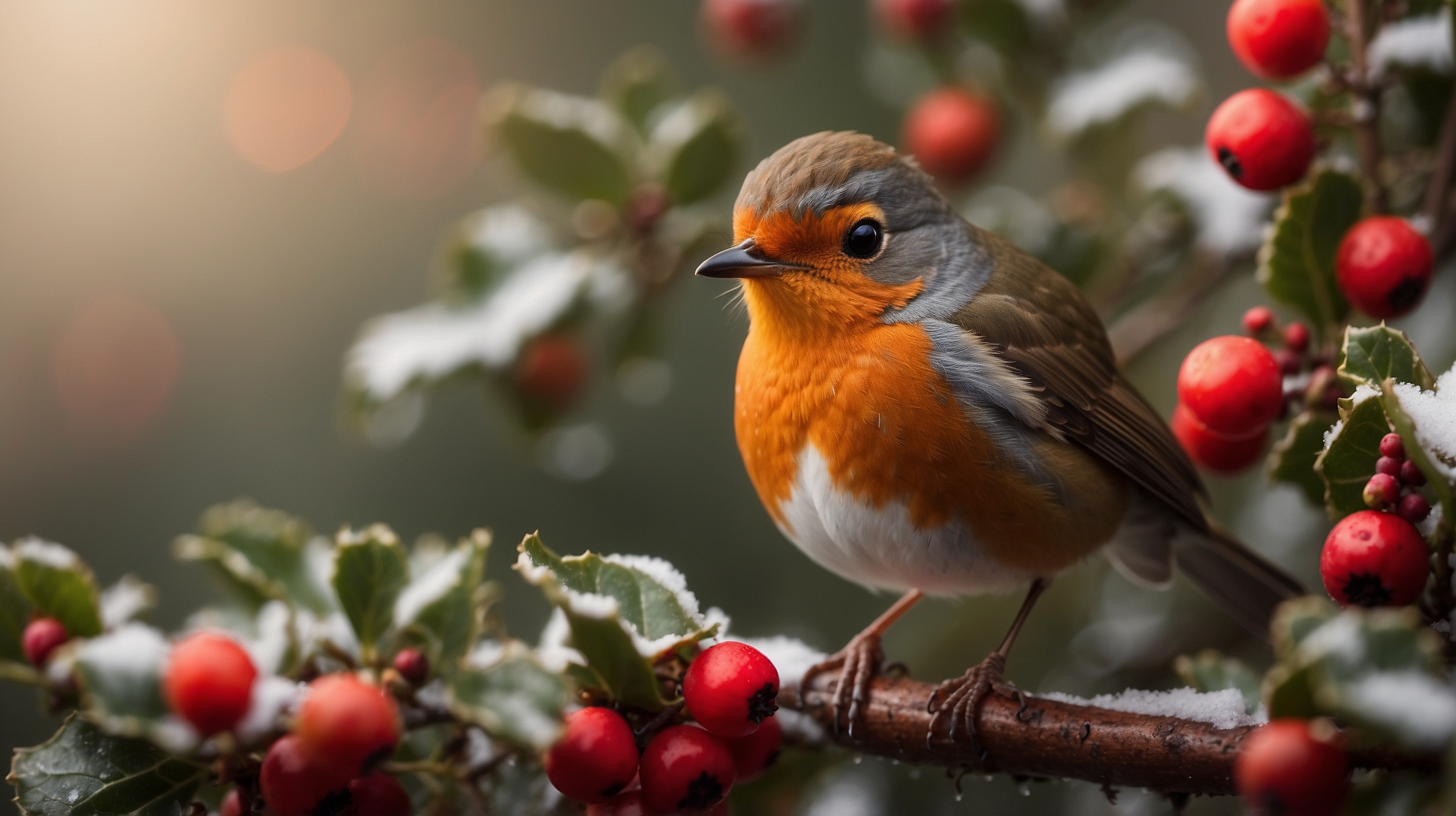
As the temperatures drop and gardens begin preparing for winter, many dedicated bird lovers are seeking effective ways to keep their favorite feathered visitors coming back, even in cold weather. Among the most iconic winter birds is the **American robin**, known for its striking red breast and early-worm-catching reputation. While many assume robins migrate entirely during winter, experts note that a significant number stay behind, adapting to the cold by changing their diet—from worms and insects to more seasonal fare.
According to birding specialists, there’s one particular fruit that can make all the difference in encouraging robins to frequent your backyard this winter: **winterberry holly**. This native shrub produces clusters of bright red berries that remain intact well into the coldest months, providing critical nourishment when food sources are scarce. If you’re hoping to keep robins active in your garden even as snow begins to fall, planting or preserving this vibrant winter treat could be the key strategy you’ve overlooked.
Overview: Why winterberry attracts robins
| Feature | Details |
|---|---|
| Fruit Type | Winterberry holly (Ilex verticillata) |
| Best Season for Berries | Late fall through winter |
| Main Strong Point | Bright red berries remain available after frost |
| Primary Bird Beneficiaries | Robins, cedar waxwings, cardinals, bluebirds |
| Ideal Planting Zones | USDA Zones 3 to 9 |
| Other Benefits | Ornamental appeal, deer-resistant, low maintenance |
What experts are saying about winterberry’s impact
Winterberry holly is not only visually stunning when the rest of the landscape goes gray—it’s also a magnet for **hungry robins** searching for high-energy food. According to ornithologists, robins modify their dietary preferences in colder months, shifting to berry-heavy meals when insects and grubs are no longer accessible.
“Winterberry is a crucial winter food source for American robins in many northern regions. Its persistence through ice and snow makes it invaluable.”
— Dr. Ellen McGuire, Ornithologist and Wildlife Habitat Specialist
“We see robins returning year after year to gardens that feature native fruiting plants like winterberry. It’s one of the few berries that remains palatable and accessible even after deep frosts.”
— James Reilly, Audubon Birdwatching Guide
This reflects a broader ecological reality: birds in colder climates become **incredibly selective** about what they consume during winter months. Winterberry celestially meets this criterion, making it a favorite for professional bird watchers and casual backyard enthusiasts alike.
How winterberry supports the seasonal cycle of robins
The American robin’s migration habits are not black and white. While some robins migrate south, many remain in their local habitats, especially if food remains available. These overwintering robins forage in flocks, often congregating wherever they spot reliable nourishment. This is where winterberry excels.
The berries remain on the plant well into January and February, long after other fruits have withered or fallen—making them one of the last abundant options in snow-covered territories. Robins are drawn to high-sugar fruits that provide caloric energy needed to maintain body temperature, and **winterberry ranks high** among regional options.
How to plant and care for winterberry holly
Winterberry holly is remarkably easy to grow and maintain. Here’s what gardeners need to keep in mind to cultivate a thriving winterberry supply for their avian visitors:
- **Soil:** Moist, slightly acidic soil with good drainage is ideal.
- **Light:** Prefers full sun to partial shade for berry production.
- **Spacing:** Allow 5–12 feet between plants, depending on the variety.
- **Pollination:** You will need at least one male winterberry plant for every 6-10 female plants to produce berries.
- **Maintenance:** Prune in late winter or early spring. Avoid heavy fertilization, which can inhibit berry formation.
For gardeners worried about sustainability and native planting, winterberry is an excellent native solution—contributing not only to a great bird habitat, but also to local ecosystem balance.
Which birds benefit beyond robins
Robins aren’t the only species drawn to the bright, glossy berries of winterberry. Several other birds—notably those that overwinter in northern climates—rely on these fruiting shrubs for survival. These include:
- Cedar waxwings
- Northern cardinals
- Eastern bluebirds
- Mockingbirds
- Woodpeckers
This makes winterberry a **multipurpose ecological tool**, allowing one plant type to support a wide web of avian life from mid-autumn through early spring.
Winners and losers in icy months
During winter, not all bird species have equal access to nutrition. The presence—or absence—of fruit-bearing shrubs can seriously influence survival odds. Here’s how winterberry makes a difference:
| Winners | Why They Win |
|---|---|
| American Robins | Energy-rich food source keeps flocks active through winter |
| Cedar Waxwings | Use group foraging strategies to find and devour berries |
| Eastern Bluebirds | Depend on fruit when insects are unavailable |
| Losers | Why They Struggle |
| Insectivorous Birds Without Berry Sources | Have fewer alternative nutrients in freezing months |
| Gardens Without Native Shrubs | Fail to attract or retain wintering species |
Why you’re not seeing robins in your winter garden
If your garden’s feeling unusually quiet despite a landscape of pine and snow, it could be due to a lack of winter food availability. **Non-native plants** or overly manicured yards provide little incentive for overwintering robins to drop by. Without berry sources like winterberry, robins are unlikely to delay their migration or stick around.
By planting native shrubs and reducing aggressive fall cutting, homeowners can create an inviting habitat. Remember, robins are flexible and opportunistic—but only when the conditions are right. Winterberry signals to them that your garden offers a **dependable winter buffet**.
Short FAQs about robins and winterberry
Do all robins migrate south for winter?
No, many robins remain in their region, especially if food sources like berries are available throughout the colder months.
When is the best time to plant winterberry?
Spring or early fall is ideal for planting winterberry holly so it can establish roots before the extreme temperatures set in.
How many plants do I need to produce berries?
You need at least one male plant for every 6–10 female plants to ensure successful pollination and berry development.
Is winterberry safe for pets or children?
Winterberry is mildly toxic to humans and pets if ingested in large quantities. Always supervise pets and children around berry-producing plants.
Can I grow winterberry in containers?
While possible, winterberry thrives best in ground soil and may struggle in small containers over long periods.
What birds besides robins eat winterberry?
Cedar waxwings, bluebirds, cardinals, and mockingbirds also feed on winterberry, making it an inclusive garden option.
What happens to the berries after snowfall?
Winterberry berries often persist through snow and ice, remaining available for birds even in the deepest parts of winter.
Are there ornamental benefits to winterberry?
Yes, its vivid red berries provide striking contrast against snowy landscapes, adding beauty and curb appeal to winter gardens.


