
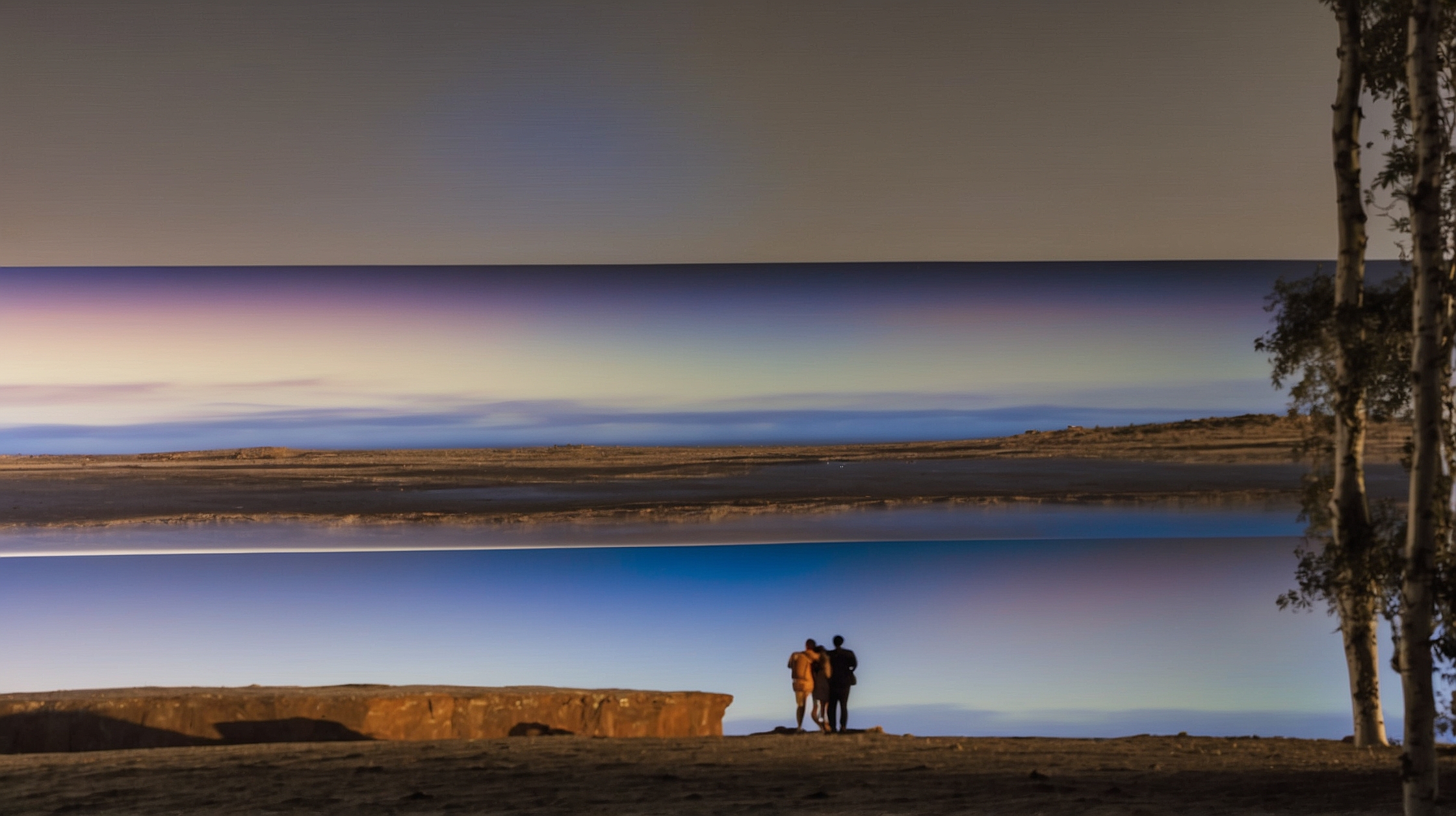
The sky is preparing for one of the most spectacular celestial events of the 21st century. Enthusiasts, scientists, and curious onlookers alike are counting down to the **longest total solar eclipse of the century**, a rare and awe-inspiring moment when the Moon completely obscures the Sun. Scheduled for July 22, 2028, this eclipse is predicted to plunge regions into daytime darkness for an extraordinary period, offering a breathtaking natural phenomenon and an invaluable scientific opportunity.
Spanning several continents and captivating the attention of skywatchers worldwide, this eclipse is more than a marvel — it’s a convergence of science, wonder, and the celestial mechanics that govern our solar system. Cities situated along the eclipse’s path are already making preparations, with experts emphasizing that such an event will not repeat in terms of duration anytime soon, making it a once-in-a-lifetime experience for many.
Overview of the Century’s Longest Eclipse
| Date | July 22, 2028 |
| Type | Total Solar Eclipse |
| Maximum Duration of Totality | Over 6 minutes |
| Countries in Path | Australia, New Zealand, parts of the South Pacific |
| Significance | Longest total solar eclipse of the 21st century |
Why this eclipse is historic
Solar eclipses occur when the Moon passes directly between the Earth and the Sun, casting a shadow over Earth’s surface. While solar eclipses happen roughly every 18 months somewhere on Earth, a **total solar eclipse of this duration** is exceptionally rare. In this case, the alignment is just right to produce a totality lasting more than **six minutes**, a stark contrast to the average eclipse span of two to three minutes.
Experts consider this event to be unusual due to multiple favorable astronomical factors such as **Moon perigee (its closest point to Earth)** and the Earth’s position close to aphelion, when it’s farthest from the Sun. These conditions allow the Moon to appear slightly larger in the sky, perfectly covering the Sun and extending the phase of totality.
Where and when to watch the eclipse
This celestial spectacle will be visible in various stages across multiple landmasses and oceanic regions. Key areas in the eclipse’s 2028 path include parts of **Australia**, particularly **Sydney**, which is forecast to experience notable darkening, alongside stretching across the South Pacific and reaching **New Zealand**. The maximum eclipse duration will be observed over a remote area in the Pacific Ocean, but major cities will get a significant view.
The full eclipse will begin at sunrise over the Indian Ocean and make its way eastward. Preparation is recommended for observers who want to experience the event at one of the optimal observation points, as weather and cloud coverage can dramatically impact visibility. **Eclipse chasers**, a term for eclipse devotees who travel the world to witness these phenomena, are expected to flock to prime watching locations.
How to safely view the eclipse
While a total solar eclipse is a mesmerizing event, **eye safety** is paramount. Viewing the eclipse directly without proper protection can cause irreversible retinal damage. The safest way to observe is through **ISO-certified solar eclipse glasses**, purpose-made solar filters, or indirect projection methods like pinhole projectors.
During the brief moments of totality — when the Moon completely covers the Sun — it’s safe to remove eclipse glasses and observe the stunning **solar corona** with the naked eye. However, the moment before and after totality requires strict use of eye protection. Schools, observatories, and public health officials are expected to conduct informative campaigns ahead of the event to help communities prepare.
Scientific research opportunities and eclipse experiments
This rare eclipse provides a valuable window for **scientific research**, especially in the field of solar physics. The extended period of totality allows scientists to observe the Sun’s **corona**, which is usually hidden by the intense glare of the solar disk. Studying this outer layer helps researchers understand solar wind, gravitational waves, and possibly even gain insights into early warning signs of solar storms that affect Earth’s technology infrastructure.
Renowned universities and space agencies have already started forming teams that will be posted at different observation points to collect data, including temperature changes, solar spectrum analysis, and shadow speed. Drones and high-altitude balloons might also be deployed to capture footage from above the cloud line.
We’re excited about the duration of this eclipse. Over six minutes of totality lets us conduct extended experiments that are normally not feasible.
— Dr. Elise Tran, Astrophysicist, University of Melbourne
Impact on tourism and local economies
Local tourism boards in regions like New South Wales and South Island in New Zealand are bracing for a significant influx of visitors. Past eclipses have shown to double or even triple tourist numbers in areas touched by eclipse paths. Hotels, transportation services, and local vendors are gearing up for a boom in bookings as eclipse watchers prepare months, even years in advance.
Special eclipse viewing festivals, science fairs, and astronomy-themed events have been announced by local municipalities. The economic benefit is expected to be in the millions, with service industries particularly profiting due to their role in accommodating the sudden rise in tourists.
We’re preparing tailored travel packages, observation safaris, and even eclipse-themed cruises to make this event unforgettable.
— Karen Mitchell, Director of SkyGlide Travel Australia
Tips for planning your eclipse experience
To witness the eclipse under the best conditions, early **planning is essential**. Here are some tips:
- Secure accommodations far in advance—popular spots will sell out quickly.
- Choose a location with historically favorable weather during July.
- Join in local events and festivals planned around the eclipse for a full experience.
- Pack eclipse glasses and meet safety requirements for solar viewing.
- Consider mobility in case cloud cover requires you to quickly change locations.
Dedicated tour companies are also offering guided eclipse excursions that include expert commentary, safe viewing gear, and contingency plans in case of unexpected weather changes.
Potential winners and losers of the event
| Winners | Losers |
|---|---|
| Astrophysicists and solar researchers | Regions with overcast skies during the event |
| Local economies and tourism industries | People without solar viewing protection |
| Schools and educational programs | Impatient travelers who don’t plan ahead |
Frequently asked questions about the 2028 solar eclipse
How long will the eclipse last?
The total solar eclipse will last up to 6 minutes and 23 seconds at maximum eclipse point, making it the longest of the 21st century.
Where is the best place to view the eclipse?
Australia, especially regions around Sydney and South Australia, offers some of the best land-based viewing opportunities.
Do I need special glasses to view the eclipse?
Yes. You must wear ISO-12312-2 compliant solar viewing glasses when observing any phase of the eclipse except during the brief moment of totality.
What time will the eclipse occur?
The eclipse begins at sunrise over the Indian Ocean and moves eastward. Exact timing varies by location, so check local schedules closer to the date.
Will the eclipse be visible in the United States?
No. The path of totality for this eclipse does not cross North or South America.
Can the eclipse be viewed online?
Yes, many observatories and science institutions are expected to livestream the event, making it accessible to global viewers in real time.
Why is this eclipse so long?
The Moon will be near its closest point to Earth (perigee), and Earth near its farthest point from the Sun (aphelion), allowing for a longer eclipse duration due to optimal alignments.
How often do eclipses like this occur?
Total solar eclipses happen approximately every 18 months somewhere globally, but ones lasting longer than 6 minutes are incredibly rare — only a few times per century.


