
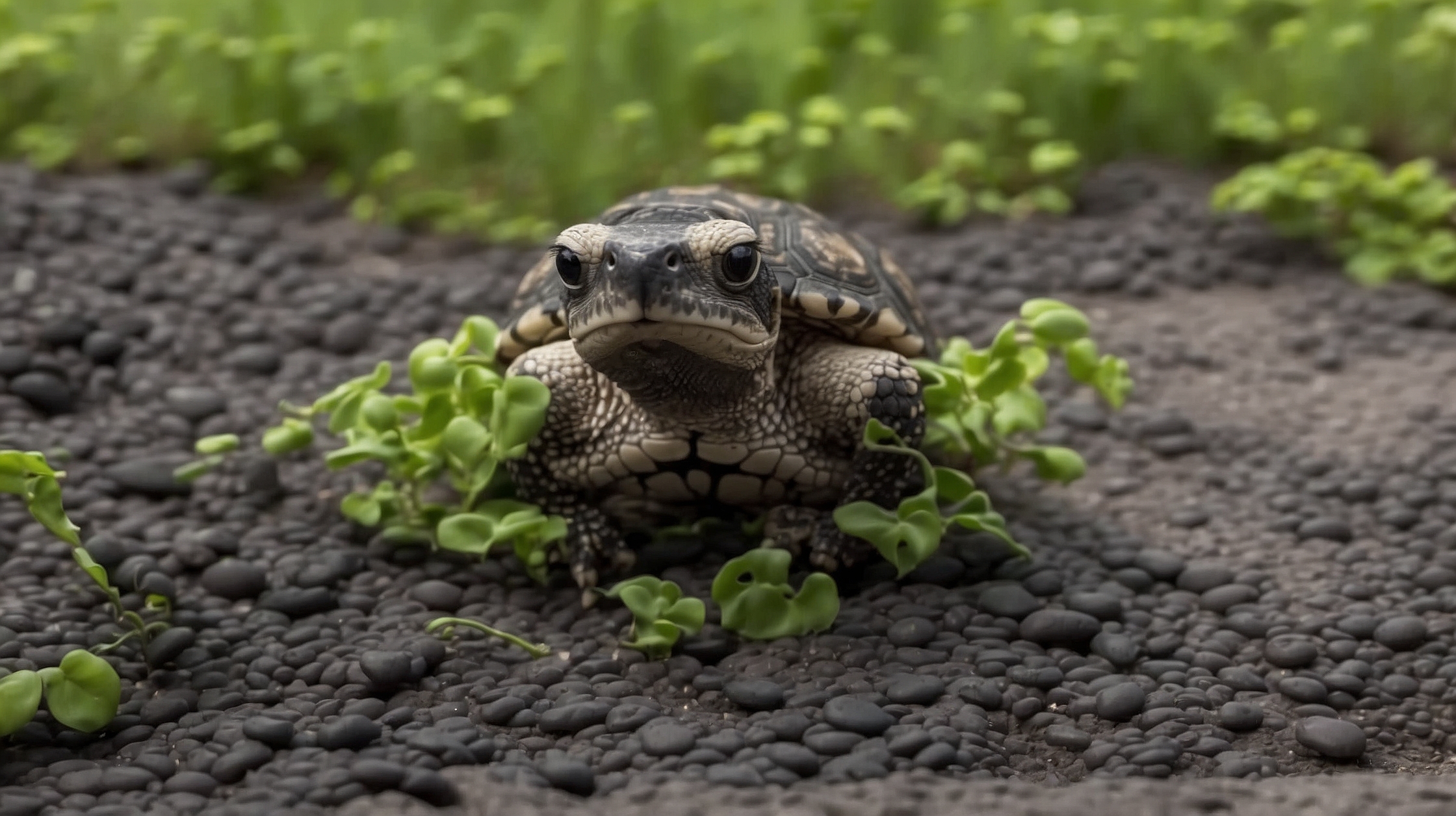
In a monumental step towards restoring the fragile ecosystem of the Galápagos Islands, conservationists have successfully reintroduced 1,500 giant tortoises to their native habitat. These iconic creatures, often dubbed “ecosystem engineers,” are once again roaming lands they were nearly eradicated from, helping mend the intricate web of life in the archipelago. Known for their lumbering gait and astonishing longevity, the Galápagos giant tortoises are playing a pivotal role in reviving landscapes shaped over millennia by their grazing and movement patterns.
The rewilding effort is not just a triumph of conservation but also a testament to decades of careful planning, collaboration, and the resilience of nature when given a chance to heal. With habitat degradation and invasive species having wrought havoc on the delicate balance of many of the islands, the reintroduction of these tortoises is being closely watched as a hopeful turning point. As they slowly reclaim their place in the ecosystem, the tortoises are catalyzing a cascade of ecological benefits that could redraw the future of the Galápagos.
Overview of the giant tortoise reintroduction
| Event | Reintroduction of 1,500 giant tortoises in the Galápagos |
| Date | 2024 |
| Location | Galápagos Islands, Ecuador |
| Main Goal | Restore native ecosystems and support endemic biodiversity |
| Key Species | Galápagos giant tortoise (Chelonoidis spp.) |
| Organizations Involved | Galápagos National Park Directorate, international conservation partners |
Decades of disappearance and degradation
Giant tortoises once thrived across the Galápagos Islands, with historical estimates placing their numbers in the hundreds of thousands. However, the arrival of humans in the archipelago initiated a severe collapse in population numbers. Sailors and settlers hunted the tortoises extensively for meat and oil, while invasive species introduced unintentionally—such as rats, pigs, and goats—devastated tortoise nests and degraded native vegetation.
By the mid-20th century, some tortoise subspecies faced extinction. Conservationists sounded alarm bells, sparking efforts to hatch and breed tortoises in captivity, while also managing invasive species and protecting nesting areas on various islands. Those years laid the groundwork for today’s large-scale, carefully coordinated reintroduction.
The role of tortoises in ecosystem restoration
Unlike other rewilding projects, where apex predators often dominate the narrative, the Galápagos initiative underscores the critical role of herbivores. Giant tortoises act as seed dispersers and landscape shapers. Their grazing patterns help maintain native grasslands, open up dense vegetation for other species, and ensure the germination of certain endemic plant seeds that require processing through a tortoise’s digestive tract to sprout.
“Tortoises are more than just charismatic megafauna—they’re fundamental keystone species that sustain and regenerate biodiversity,”
— Dr. Elena Ruiz, Ecologist and Conservation Biologist
By reestablishing healthy tortoise populations, scientists anticipate a rebound in native plant species and a gradual decline in invasive flora that has choked much of the islands’ natural vegetation. The slow, purposeful movement of tortoises across the terrain leaves trails that also aid in water flow and seed migration—triggering what researchers describe as a “living restoration.”
Success breeding programs and reintroduction logistics
A critical element of the project’s success lies in sophisticated tortoise breeding programs that have grown over the past 50 years. At breeding centers such as the ones on Santa Cruz Island, scientists have incubated and reared young tortoises in semi-wild environments until they’re large and healthy enough to fend off predators and adapt to natural conditions.
The current reintroduction program used a phased logistics model, where batches of tortoises were transported by boat to targeted islands. Prior to release, extensive habitat assessments ensured the absence of excessive invasive species and the presence of adequate food sources. Each tortoise was microchipped and monitored using GPS tags to study their movement patterns, condition, and integration into the wild ecosystem.
“We’ve been preparing for this moment for years—everything from genetic planning to terrain mapping went into ensuring a smooth, scalable release,”
— Carlos Yánez, Lead Field Biologist, Galápagos National Park Directorate
Selection of species and islands
The selection of both tortoise lineage and release locale was not arbitrary. Each of the Galápagos Islands originally hosted distinct subspecies of tortoise, adapted uniquely to their island’s terrain and climate. Due to the extinction of some lineages, conservationists employed genetic hybrids or sibling subspecies that thrived in surrogate environments while maintaining similar ecological roles.
One of the focal points was Española Island, historically home to the Chelonoidis hoodensis subspecies. With only 15 individuals surviving in the 1960s, a comprehensive breeding program has now allowed reintroduction on a scale previously deemed impossible. Similar efforts are taking place on Floreana and Pinta islands.
Community involvement and local leadership matter
Integral to the effort’s long-term viability is the active participation from local communities and descendants of settlers with roots going back generations. Environmental education, local employment in conservation roles, and sustainable tourism models have fostered a sense of stewardship among Galápagos residents toward their unique and fragile ecosystem.
“The tortoises’ return represents our shared hope that humans can coexist with nature in a way that restores instead of erodes,”
— María López, Community Conservation Leader
This synergy between conservation science and local governance is increasingly viewed as a model for ecological restoration projects worldwide. It shifts the narrative from preservation as exclusion to integration and co-creation of sustainable futures.
Expected long-term ecological impact
Experts anticipate a chain reaction of positive outcomes from the tortoises’ return, stretching decades into the future. Native bird populations may benefit from regenerating forests, endemic plants may reclaim territory from invasives, and the tortoises themselves could see slowly stabilizing populations with natural reproduction in the wild. Ongoing monitoring will hone adaptive management strategies to ensure evolving challenges can be met without stalling progress.
“This is not just about one species—it’s about tipping the whole ecosystem back toward balance,”
— Dr. Samuel Ortega, Island Ecology Researcher
Winners and losers of the rewilding effort
| Winners | Losers |
|---|---|
| Giant tortoises regaining native habitat | Invasive species like goats and rats |
| Endemic plant and bird species | Woody invasive plants crowding out native flora |
| Local ecotourism industry | Short-term logistical challenges during reintroduction |
| Global conservation science efforts | Commercial interests conflicting with land restoration goals |
Frequently Asked Questions (FAQs)
Why were the giant tortoises nearly extinct?
The decline was due to overhunting by humans, loss of habitat, and the introduction of invasive species that preyed on eggs and consumed vegetation vital to tortoise survival.
What is the role of tortoises in ecosystem health?
They help disperse seeds, shape vegetation through grazing, and enhance soil quality by creating channels that foster water runoff and seed planting.
How long do giant tortoises live?
Giant tortoises can live well over 100 years, with some recorded to exceed 150 years.
Are there still endangered tortoise subspecies?
Yes. While some are recovering, others remain critically endangered or extinct, requiring careful breeding and potential cross-breeding strategies.
Can the tortoises reproduce in the wild now?
Yes, with the right population density and absence of predators, they are capable of breeding naturally and sustaining their numbers.
How can locals and tourists support the effort?
By participating in ecotourism, following conservation guidelines, and supporting local initiatives designed to protect the islands’ unique biodiversity.
What challenges remain after the reintroduction?
Continued invasive species management, climate change impacts, and maintaining long-term funding for monitoring and protection are key challenges.
Is this approach being replicated anywhere else?
Yes, other islands and degraded ecosystems are studying the Galápagos model for species reintroduction and ecological rebalancing strategies.


