
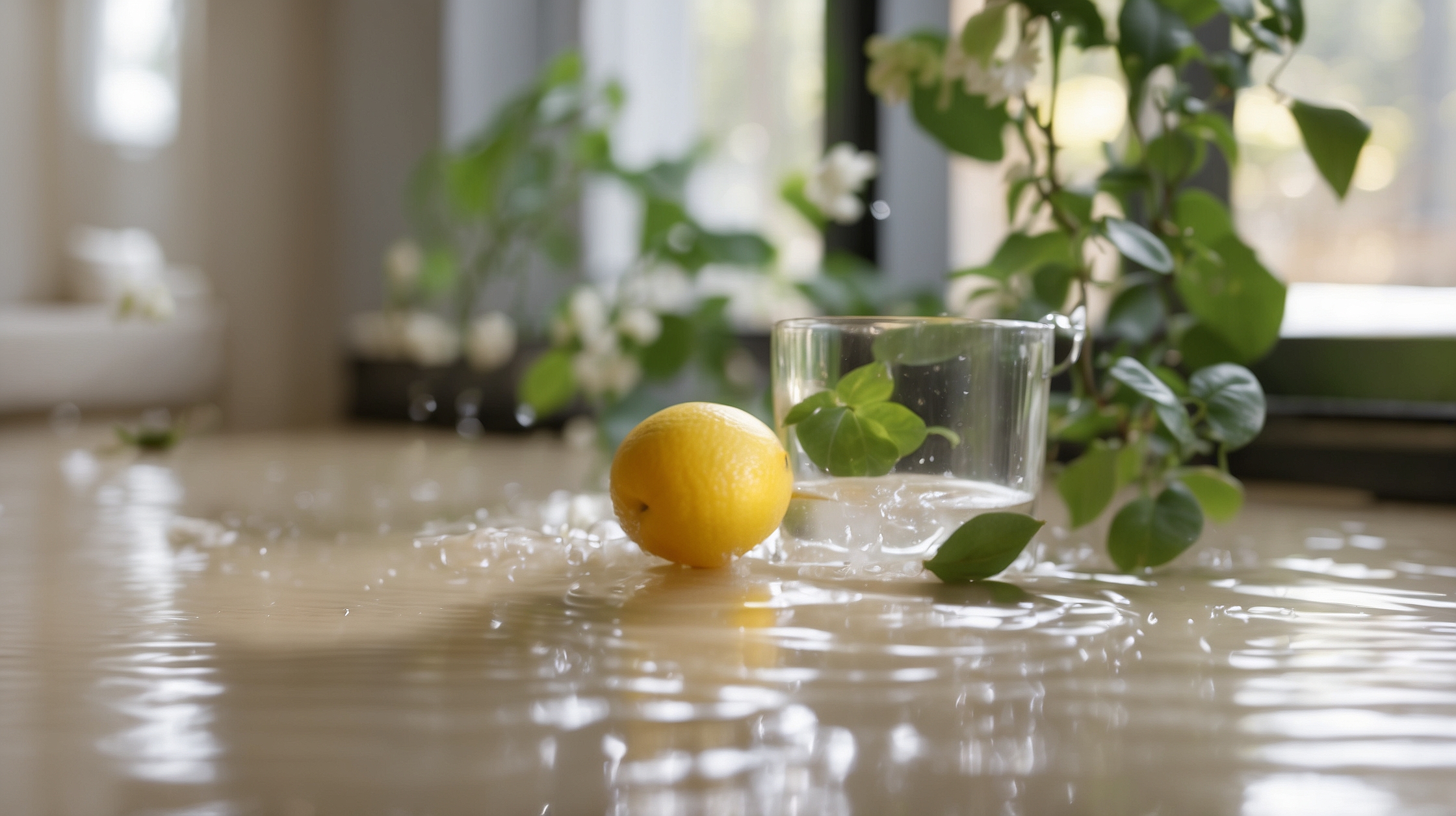
When it comes to keeping your home clean and fresh, it’s often the simplest solutions that deliver the biggest impact. While deep cleans and expensive cleaning products have their place, freshening up your home doesn’t always have to be complicated—or costly. In fact, one overlooked trick could transform your cleaning routine and elevate the ambiance of your space for days. The secret? Just two drops of an essential household item added to your mop bucket.
This small tweak has been capturing attention among cleaning experts and homemakers alike. It doesn’t just remove dirt and grime; it leaves your floors sparkling and your entire home infused with a long-lasting, inviting fragrance. If you’re ready to upgrade your mop game, this guide will walk you through exactly how and why this trick works, what to use, and how to maximize the effect safely and affordably.
Overview of the Mop Bucket Freshening Method
| Trick Name | Essential Oil Mop Bucket Freshener |
| Main Ingredients | Essential Oils (e.g., Lemon, Lavender, Peppermint) |
| How Much to Use | 2–4 drops per gallon of mop water |
| Best Time to Use | During regular floor mopping (weekly or bi-weekly) |
| Best For | Tile, Vinyl, Laminate, and Sealed Hardwood Floors |
| Not Recommended For | Unsealed or waxed hardwood floors |
| Estimated Cost | Under $0.05 per use |
| Added Benefits | Natural deodorizer, mood-enhancing aroma, disinfectant properties |
Why just a few drops make all the difference
Essential oils are highly concentrated plant extracts commonly used in aromatherapy, but their power extends far beyond the diffuser. When just two drops are added to your mop bucket, the natural oils release fragrances that permeate the air and linger for days. Some oils even have natural antibacterial or antifungal properties, making them functional as well as fragrant.
The effect is nearly instantaneous. As you clean room by room, the air fills with a fresh, crisp scent instead of the clinical odor left by some chemical cleaners. And because of the oil’s potency, just a few drops go a long way—making it a budget-friendly alternative to commercial floor fresheners or sprays.
Best essential oils to use for mop water
Not all essential oils are created equal when it comes to floor cleaning. Some are better suited due to their aroma and properties. Here are five top choices:
- Lemon Oil: Bright, uplifting, and naturally antibacterial.
- Lavender Oil: Calming, soothing, and possesses antifungal properties.
- Peppermint Oil: Energizing and excellent for neutralizing odors.
- Tea Tree Oil: Strong antibacterial qualities and perfect for homes with pets.
- Orange Oil: Zesty and known to cut through grease effectively.
While you can use these individually, combining a few drops from two complementary scents can elevate the fragrance effect even further.
Step-by-step: How to use essential oils in your mop bucket
Follow this simple process to add freshness to your floors effortlessly:
- Fill your mop bucket with warm water as usual.
- Add your preferred floor cleaner (optional, especially if using oils with disinfecting properties).
- Add 2 to 4 drops of your chosen essential oil(s).
- Stir the water briefly to distribute the oils.
- Mop your floors as usual, starting from the farthest area and working toward the exit.
- Allow floors to air dry to maximize lingering scent.
Is it safe to use essential oils on all floor types?
Most essential oils are safe for sealed surfaces like tile, vinyl, and laminate. Caution should be exercised with unsealed hardwood or wax-finished floors, as oil can penetrate the wood and damage the finish. If you’re unsure whether your floor is protected, it’s best to perform a spot test in a low-traffic area before wide usage.
You’ll also want to make sure your mop is not overly saturated, particularly when working with laminate flooring, which can warp with excess moisture.
The science of scent and mood in your home
Scent plays a powerful role in how we perceive cleanliness and comfort. Research has shown that pleasant ambient aromas can elevate mood, reduce stress, and even improve productivity. By introducing essential oils into your cleaning routine, you’re not just creating a cleaner space—you’re cultivating a home environment that promotes well-being.
The olfactory system is directly connected to the brain areas that control emotions. Using scent purposefully can reinvent how your home feels, not just how it smells.
— Dr. Evelyn Harmon, Environmental Psychologist
Alternative applications beyond floor mopping
Once you see the impact of essential oils on your mop water, you may want to expand their usage. Here are other home cleaning hacks where essential oils shine:
- Garbage bin refresh: Add 2–3 drops on a cotton ball and place under the liner.
- Drawer fresheners: Tuck essential oil–infused sachets into dresser drawers or linen closets.
- Toilet brush cleaner: Add a drop of tea tree oil to the holder water to fight bacteria with every swipe.
- Fabric mist: Dilute in water and spray lightly on curtains or cushions (check fabric safety first).
Sustainability and budget-conscious benefits
Many homeowners are turning away from chemical-heavy cleaners toward more sustainable, natural solutions. Essential oils provide this while being cost-effective. Since only a few drops are needed per cleaning session, a single small bottle can last for months—even with regular use.
Refillable glass cleaning bottles, reusable mop pads, and minimalist cleaning routines pair well with this approach, making it attractive for the eco-conscious consumer.
Common mistakes to avoid
To get the most from this fresh-mopping method, steer clear of these frequent pitfalls:
- Using too much oil, which can leave a slippery residue.
- Applying directly to the floor without dilution.
- Mixing incompatible oils that create unpleasant aroma combinations.
- Choosing oils without checking for pet safety—some can be harmful if spread on walking surfaces frequented by animals.
Essential oils are natural but potent. Start with less and add more gradually. The goal is subtle freshness, not to overpower your home’s ambiance.
— Maria Jenkins, Certified Green Clean Expert
Short FAQs on using essential oils in cleaning
Can I use essential oils in my steam mop?
No, most manufacturers advise against this. The oils can damage the steam mechanism or leave residue. Stick with traditional mop buckets for oil use.
How long does the fragrance last after mopping?
Depending on the oil used and ventilation, the scent can linger for 2–5 days. Citrus oils tend to fade faster, while lavender and peppermint last longer.
Are essential oils safe for pets?
Some oils like tea tree and eucalyptus can be toxic to pets. Always research pet-safe oils and ensure proper dilution before mopping pet-accessible areas.
Which essential oil is best for killing germs?
Tea tree oil has strong antimicrobial properties, making it ideal for bathroom floors and high-traffic areas prone to bacteria.
Can I mix oils together for a custom scent?
Absolutely! A favorite combo is lemon and lavender for a sweet yet clean scent. Stick to 2–3 drops of each until you find your ideal mix.
Will it leave an oily film on the floors?
Not if used correctly. 2–4 drops diluted in a full bucket of water is safe and should not leave any residue.
Where should I store essential oils?
In a cool, dark place away from sunlight. This helps preserve their potency and shelf life.
Can I use essential oils if someone in the house has allergies?
It depends on the sensitivity. Always do a patch test of the fragrance and consult a healthcare provider if anyone has severe respiratory issues or sensitivities.


