
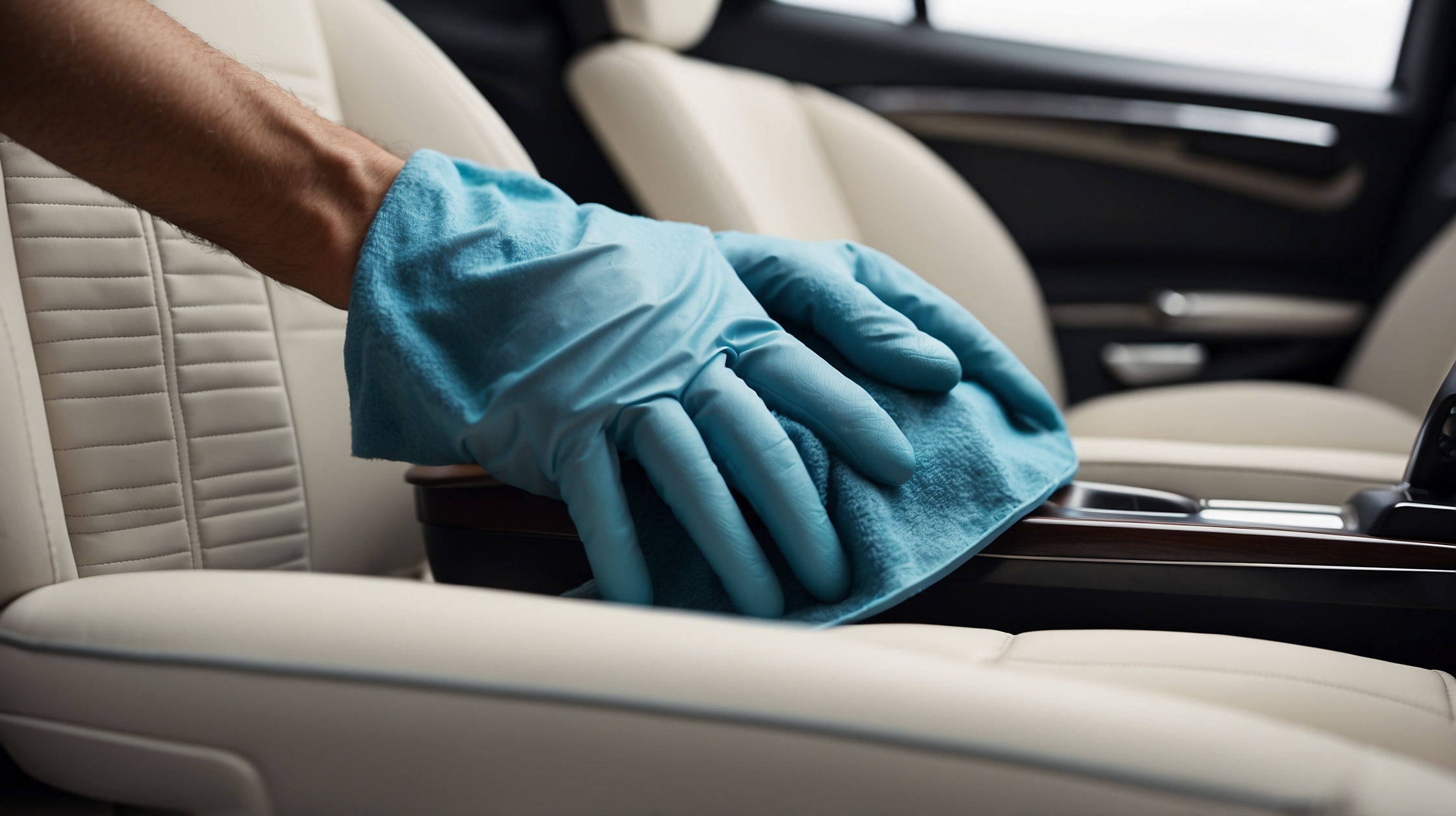
Car seats endure a lot over time — spilled drinks, sticky snacks, muddy clothes, and the occasional accident can all leave behind stubborn stains. While many people instinctively reach for vinegar or baking soda to clean these messes, experts now suggest a more efficient and surprisingly simple trick. This technique doesn’t rely on harsh chemicals or time-consuming DIY solutions. Instead, it utilizes household items in a smarter way that removes even the most stubborn stains without damaging the fabric or lingering odors.
For years, DIY cleaning hacks have circulated widely online, with vinegar and baking soda among the most promoted ingredients. However, when it comes to car upholstery, these ingredients may not be the miracle workers many tout them to be. When used incorrectly, they can over-saturate fabric, leave behind residue, and even weaken the material of your car seats. The good news? This new no-vinegar, no-baking-soda technique offers a practical and mess-free alternative — and you probably already have what you need at home.
Overview of the stain removal technique
| Method | Steam and microfiber blotting technique |
| Main Supplies | Steam cleaner or handheld steamer, microfiber towel, gentle fabric cleaner (optional) |
| Time Required | 15–30 minutes |
| Best For | Food stains, drink spills, pet stains, mud, and general grime |
| Results | Removes most stains completely; neutral smell with no residue |
Why vinegar and baking soda aren’t always ideal
While natural cleaners like vinegar and baking soda have been long favored for home cleaning, they fall short under certain conditions. Vinegar, with its acidic nature, can strip dyes from car upholstery or leave seat materials feeling brittle. Baking soda, though effective for odor neutralization, often embeds itself into the fibers and can be difficult to vacuum out entirely, leading to long-term buildup and even white stains.
Additionally, many car interiors come with manufacturer coatings that repel water and stains. These finishes may react poorly with acidic or alkaline substances, degrading faster when exposed to repeated applications of homemade cleaners. As such, cleaner alternatives that rely on heat and friction rather than chemical reactions are increasingly recommended by automotive detailers.
We’ve seen long-term clients with discolored seats because of repeated vinegar scrubbing. It’s not as harmless as people assume.
— Cheryl Klein, Lead Auto Detailer
The simple steam and blotting solution revealed
This method is rooted in professional auto detailing practices but simplified for home-use. The core of the technique involves softening the stain with gentle steam, a highly safe and effective means of lifting particles from fabric fibers. Unlike excessive moisture or abrasive scrubbing, steam helps dislodge sticky grime and dried-on debris without saturating the fabric, reducing the risk of mold or permanent water rings.
Once the area is warmed and loosened by steam, a dry microfiber towel is used to blot — not rub — the stain away. The microfiber material lifts particles and excess moisture, trapping them in its fibers more effectively than cotton towels or paper products. For tough or greasy stains, a spritz of gentle, scent-free upholstery cleaner may be added before steaming.
Steam naturally lifts particles and odors stuck deep in fabric. Pairing it with microfiber towels prevents pushing dirt deeper into the surface.
— Jamal Rivers, Mobile Upholstery Cleaning Specialist
How to clean your car seat using this method step-by-step
- Vacuum Thoroughly: Begin by vacuuming the car seat to remove any crumbs, loose dirt, or pet hair. This prevents scraping particles deeper into the fabric during cleaning.
- Heat the Area: Pass a handheld steamer (or the steam function of a steam mop) slowly 2–3 inches above the stained section for about 10–15 seconds. Avoid oversaturating.
- Gently Blot: Use a clean, dry microfiber towel to blot the area. Repeat until you’re no longer picking up residue.
- Apply Cleaner (Optional): For stubborn stains, lightly mist with a fabric-safe upholstery cleaner. Let it sit for one minute before applying steam again and blotting.
- Allow to Dry: Air dry with windows open or point a fan toward the seat for faster drying. Avoid using heaters that may set residual stains before removal.
Common stains this method effectively tackles
This non-toxic and fabric-safe method is especially helpful for:
- Food & Drink Spills: Coffee, juice, grease, and ketchup are common culprits that steam can handle effectively.
- Mud & Dirt: After outdoor activities or sports drop-off days, this method restores your seats without staining sleeves.
- Pet Accidents: Whether it’s hair or bathroom incidents, steam neutralizes smells and loosens dried material.
Another bonus of this approach is that it tends to leave no lingering chemical smells — a common drawback to store-bought carpet sprays or enzyme cleaners. Steam’s odor-neutralizing quality is enhanced by the absorption power of microfiber.
The science behind why steam works
Steam cleaning relies on the simple thermodynamic principle that heat loosens and lifts bonded particles. At temperatures above 200°F, steam penetrates upholstery more deeply than liquid water while evaporating almost immediately, which reduces any risk of material saturation. This also activates and lifts oil-based residues that are behind many persistent stains.
Meanwhile, microfiber cloths employ static electricity created by their synthetic weave to draw in particles — even microscopic ones. This is why rubbing with an ordinary cloth often fails to lift stains, while blotting with microfiber can delicately extract deep-seated grime without surface damage.
Using steam is a game-changer, especially in family vehicles with cloth interiors. It’s faster, safer, and more thorough than any chemical we’ve tested.
— Dr. Evelyn Santos, Materials Chemist
How often should you clean car seats this way?
While individual needs vary, most experts recommend doing a light pass with steam and microfiber every 4–6 weeks for general maintenance. Immediately addressing new stains also improves long-term upholstery condition, preventing set-in marks or deep odors. Unlike traditional shampooing, this technique is low-moisture and safe to perform frequently.
In high-use family cars or vehicles with pets, a monthly deep-clean under this technique can drastically extend the life and visual appeal of interior fabrics.
Best tools to keep in your car cleaning kit
To prepare for life’s inevitable messes, consider assembling a compact upholstery care kit that includes:
- Portable handheld steamer
- 2–3 clean microfiber towels
- Mild, fabric-safe spray cleaner
- Portable vacuum or car-specific dustbuster
- Spray bottle with distilled water for quick rinses
Keeping these items on hand makes mid-week cleanups quick and simple, minimizing long-term damage from fresh spills.
FAQs about car seat stain removal
Can I use this method on leather seats?
No. Steam should not be used on leather, as it can dry out and damage the natural oils. Opt for leather-safe cleaners and conditioners instead.
What temperature should the steam be?
Anywhere from 200°F to 300°F is effective. Check your fabric label and test a small hidden area first if unsure.
Does this method work on set-in coffee stains?
Yes. Steam helps lift the dried syrup and tannins found in coffee. Pre-blot with a damp cloth before steam for better results.
Should I steam the entire seat or just the stained area?
Focus on the stained area, but blending into nearby areas helps avoid “clean spots” that contrast with dirtier sections.
How do I avoid water spots during cleaning?
Use dry microfiber towels to blot excess moisture before it dries on the fabric. Ensure seats dry completely before use.
Is this safe for car seats with heating elements?
Yes, but avoid direct contact with wires and superficial excessive heat. Always follow manufacturer recommendations.
Can this method eliminate pet urine smell?
Yes, steam neutralizes odors and breaks down bacteria causing the smell. A follow-up with enzyme deodorizer is also effective.
What’s the best towel material for blotting?
Microfiber towels are best because they trap particles and absorb moisture without leaving lint behind.


