
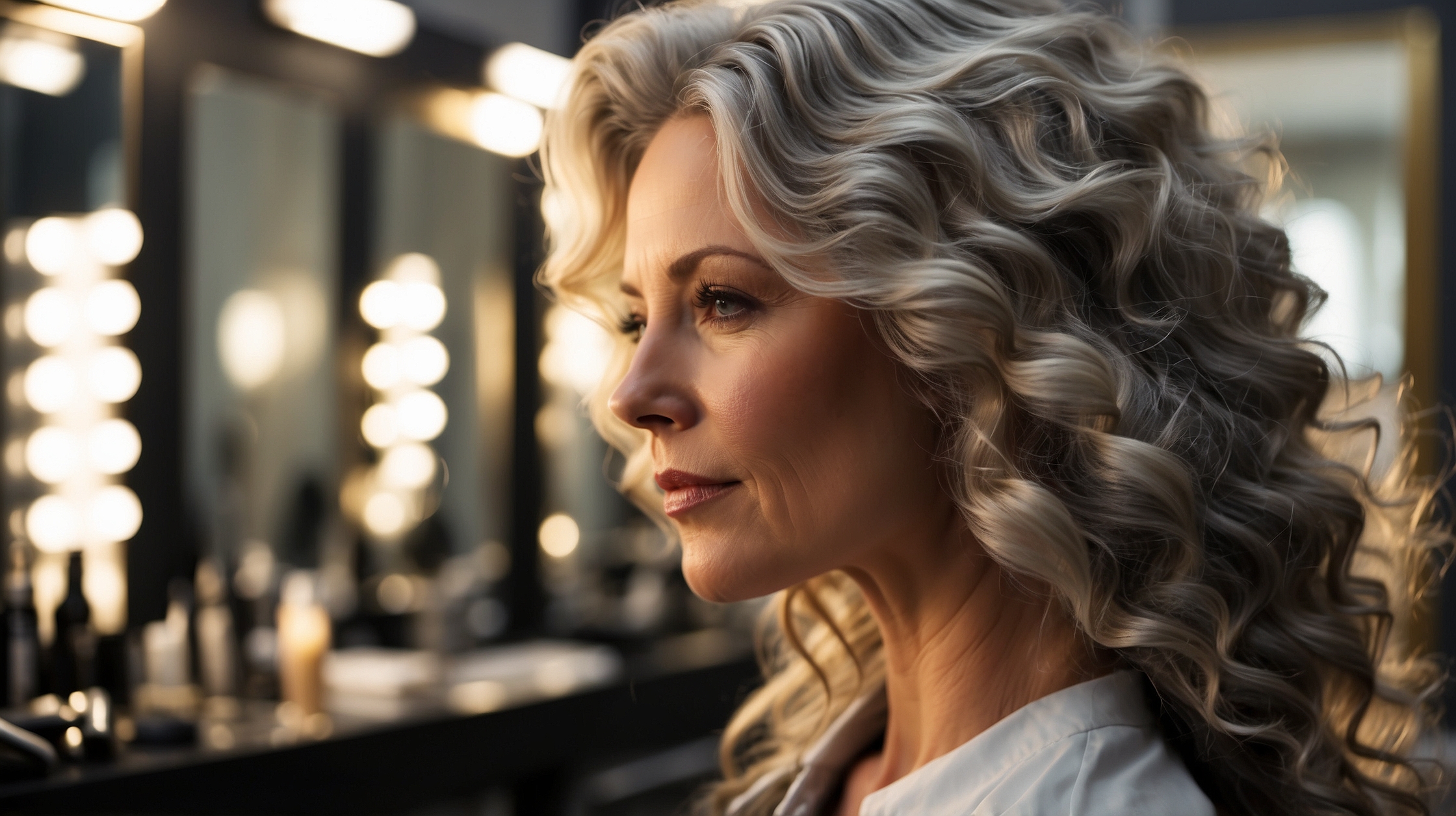
After years of balayage reigning supreme in the hair color world, a new technique has entered the spotlight—**hair melting**. This subtle, seamless coloring method is quickly becoming the go-to solution for those seeking a softer transition between shades, particularly for individuals looking to gracefully blend **gray hair**. With a reputation for natural-looking results and less dramatic contrasts than ombré or balayage, melting has emerged as the ultimate solution for matured hair aesthetics, offering flexibility, precision, and a more enduring finish.
While balayage has traditionally offered those face-framing, sun-kissed highlights, hair melting is proving to be a real game-changer, especially for clients with significant gray coverage. This method doesn’t just camouflage gray strands—it integrates them into a multidimensional tapestry of color, resulting in a more **sophisticated and organic look**. For anyone tired of the obvious regrowth lines that come with single-process coloring or the more high-maintenance balayage, melting may be the revolution the haircare industry has been waiting for.
Key details at a glance
| Technique Name | Hair Melting |
| Best For | Blending gray hair into natural tones |
| Key Benefit | Seamless transition between colors with a natural finish |
| Time Required | 2 to 3 hours depending on hair length and density |
| Maintenance Schedule | Every 10–12 weeks |
| Professional Required? | Yes, recommended for optimal blending |
| Compared To Balayage | More blended and less contrast-heavy |
Why people are choosing melting over balayage
The key difference between melting and balayage lies in the finish. Balayage is known for being deliberately contrasting—where light pieces are painted onto the surface for a lived-in look. In contrast, **melting** allows stylists to fuse multiple shades for a smoother, more fluid effect. For clients with a high percentage of gray hairs, balayage can sometimes feel too stark. The lightened pieces can make the gray appear more prominent, rather than blending it away.
Hair melting, on the other hand, creates an almost watercolor-like diffusion of tones. It uses careful layer application of compatible hues so the transition between the root and ends isn’t just gradual—it looks like it was never colored at all. This makes it an excellent modern solution for *gray blending*, rather than full gray coverage.
What the process actually involves
Hair melting involves a highly technical approach that uses two or more tones, painted and blended with expert precision. The colorist applies these tones in seamless succession so that there’s no “start” or “end” to each color. This magnifies natural dimension and allows grays to reflect as bright highlights instead of dull patches.
It’s important to note that melting isn’t just about color—it’s about **placement and formulation**. Depending on the client’s existing base tone, gray distribution, and hair texture, stylists might use demi-permanent or permanent dyes, custom glaze formulas, or even pre-lighteners to ensure the melting is flawless.
Melting lets color dissolve beautifully from the root area down to the ends. Unlike balayage, there’s virtually no interruption of tone.
— Erica Langston, Master Colorist at Studio M
How melting benefits mature hair
As hair ages, its texture can coarsen, and color pigments may fade unevenly. Traditional coloring methods sometimes struggle to harmonize these variances. Melting, however, thrives in this complexity. It smooths transitions between new gray growth, old dye, and natural base shades in a way that looks both **intentional and sensual**.
The multidimensional tones of a melt actually make the hair *look* healthier. It reflects light better and moves with a shimmering softness.
— Jude Romano, Celebrity Hairstylist
Moreover, this method often uses lower-ammonia products and less bleach, meaning it’s a gentler approach—critical for older hair prone to brittleness and thinning. It achieves depth and shine without stressing the hair shaft.
Who is a good candidate for hair melting
Melting is ideal for individuals with:
- 30–100% gray hair
- Desire for low-maintenance, lived-in color
- Previously colored hair showing demarcation lines
- Medium to long hair that can benefit from tonal movement
- Sensitivity to harsh dyes or allergic reactions to ammonia-heavy products
Even young clients opting for the silver-blend aesthetic can use this method to subtly transition into fashion-forward gray hues—without the harsh, one-tone application that can sometimes result from traditional dye jobs.
Real results: who wins and who loses
| Winners | Losers |
|---|---|
| Clients with over 30% visible gray | Anyone looking for stark ombré or contrast-heavy balayage |
| People interested in low-maintenance color | Clients who want punchy highlights |
| Older individuals seeking natural gray integration | Those unwilling to commit three hours to coloring session |
| Anyone transitioning away from permanent box colors | People who frequently change hair color tones |
Maintenance insights and care recommendations
Though hair melting can last up to 12 weeks or more with the right toner and aftercare, it’s not entirely “set and forget.” Using **color-safe shampoos**, hydrating masks, and sun protection is essential to maintain the shine and dimension. Experts advise clients to avoid weekly keratin treatments or clarifying shampoos that could strip away the melt’s subtle hues.
If you’re caring for a melt properly, it fades like art—not like a mistake.
— Lena Chong, Salon Director
In salon terms, that means checking in between major sessions for a gloss or toner refresh to adjust the tone without going through a full coloring service.
Expert tips for going gray with grace
If you’re ready to blend grays and embrace your natural evolution with elegance, melting can be your secret weapon. A few pro suggestions:
- Book a **consultation** first—melts require custom color mapping
- Bring **photos** of your hair in different lighting to help visualize the blend
- Be honest about previous color or chemical treatments
- Prepare for maintenance with realistic timelines and home care
- Pair with a **layered haircut** to emphasize movement and dimension
6 short FAQs about melting and gray blending
Is hair melting the same as balayage?
No, while both offer soft looks, melting focuses on blending colors to eliminate visual boundaries, while balayage adds highlights for dimension with more visible contrast.
Can melting fully cover gray hair?
Melting does not aim to cover gray hair completely. Instead, it blends grays into the overall hue to enhance the hair’s natural variations and soften gray strands.
Is the melting technique damaging to hair?
Generally no, especially when done by a professional using ammonia-free or demi-permanent dyes. It’s typically gentler than repeated single-process colors or bleaching.
How long does a hair melt appointment take?
Depending on hair length and density, it can take 2 to 3 hours. Adding treatments or custom toners may extend service time.
Is this style suitable for curly or textured hair?
Yes, melting works well on curly hair. In fact, the softness of gray blending can help define curls by reducing blocky tones or lines between colors.
What’s the average cost for hair melting in salons?
Pricing varies widely, but an average hair melting service will range from $150 to $300. More complex blends or longer hair may incur additional fees.
Will melting work on previously dyed or damaged hair?
Yes, but it’s crucial to assess the hair’s condition during a consultation. Pre-treatments may be needed, and expectations may need to be adjusted for optimal results.
How do I transition from traditional highlights to melting?
This can be done gradually with intermediate glosses or toners. Your stylist may use lowlights and root shades to harmonize existing highlights into a seamless melt over time.


