
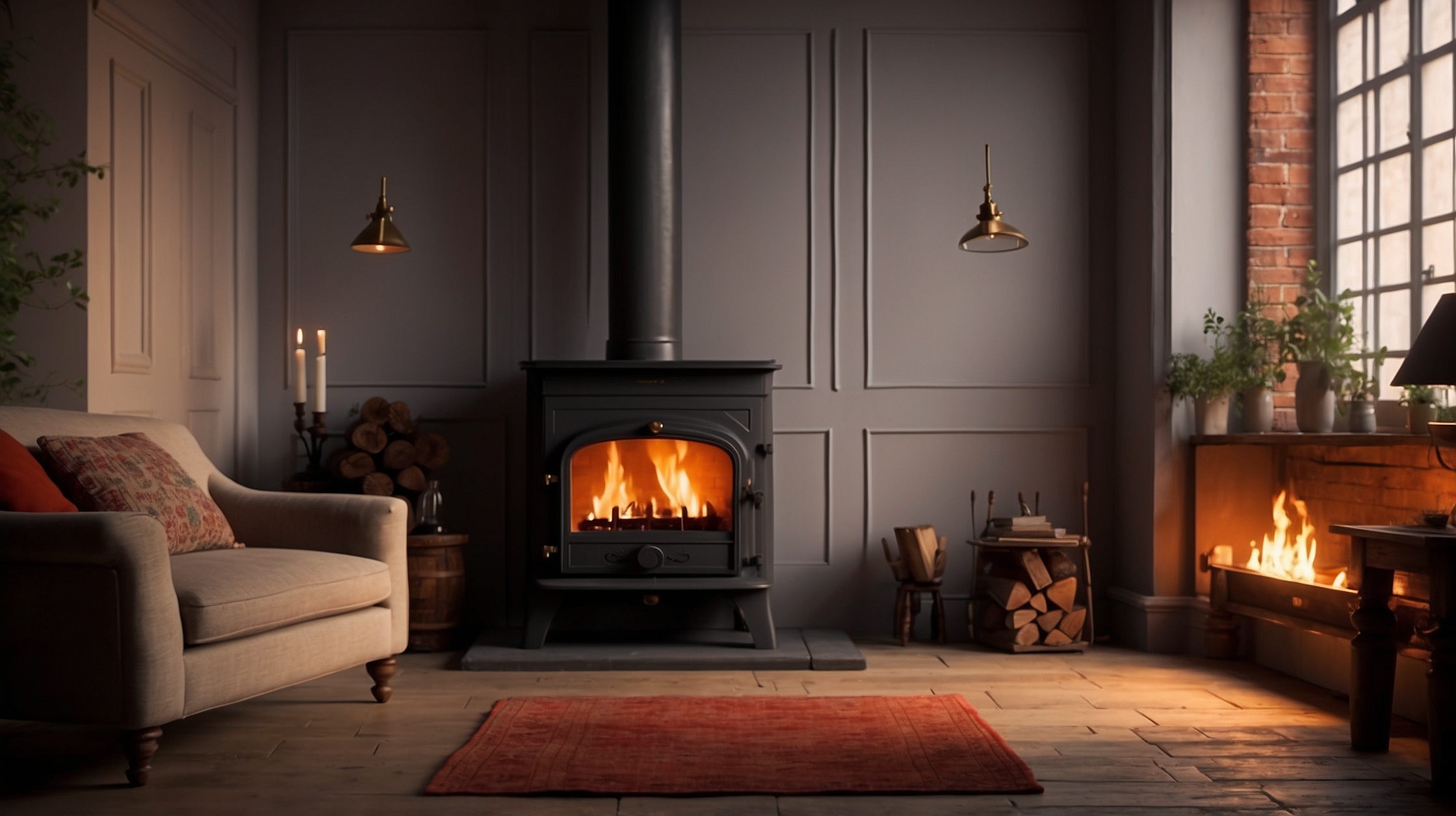
Homeowners across the UK who rely on traditional wood-burning stoves and open fireplaces may be facing significant changes as new regulations are set to come into effect by 2026. These impending fireplace rules aim to reduce pollution and align the domestic heating sector with broader environmental goals. While this adjustment is being made in the interest of public health and climate targets, it could have a direct impact on millions of households currently using wood burners and certain types of fuels for heating.
From aesthetic charm to off-grid efficiency, wood-burning stoves have long held an appeal across both urban and rural settings. However, mounting evidence linking these stoves to air quality deterioration has prompted the UK Government to take more decisive action. With a potential ban looming on older non-compliant stoves and stricter emission standards on the horizon, many households are seeking clarity on what these changes mean and how they will be affected.
Overview of upcoming fireplace changes
| Effective Date | From 2026 (exact enforcement dates to be confirmed) |
| Main Change | Restrictions on the sale and use of wood burners that do not meet new emission standards |
| Fuel Regulations | Bans on using wet wood and coal; promotion of cleaner fuels |
| Appliance Standards | Only Ecodesign-compliant stoves will be allowed for sale and new installation |
| Primary Reason | To reduce particulate matter that contributes to air pollution |
| Potential Impact | Homeowners may need to upgrade or stop using older appliances |
Why these changes are being introduced
As part of wider efforts to tackle climate change and improve air quality, the UK Government is tightening regulations surrounding domestic heating systems. One primary concern has been the amount of **particulate matter (PM2.5)** released by older wood-burning stoves. These tiny particles can penetrate deep into the lungs and bloodstream, posing serious health risks.
According to government data, domestic burning accounts for around 38% of PM2.5 emissions, more than industrial processes and road transport combined. The spotlight on wood burners has therefore intensified, especially in urban and suburban areas where air quality is already compromised.
“We must align our household heating methods with our net zero commitments. These changes signal a clear step in reducing emissions without compromising on home comfort.”
— Dr. Eleanor Knight, Environmental Policy Analyst
What changed this year
While the proposed 2026 fireplace rules mark a significant nationwide shift, the groundwork was laid in previous years. In 2021, the sale of bagged house coal and wet wood under 2 cubic metres was banned in England. The upcoming legislation builds on this by targeting the **appliances themselves**, not just the fuel used.
From 2026, **only Ecodesign-compliant wood burners** will be permitted for sale and installation. These newer models offer higher efficiency and up to a 90% reduction in particulate emissions compared to older stoves. The government will also enforce stricter controls on the maintenance and usage of existing systems to ensure they do not exceed new pollution limits.
Who qualifies and why it matters
These rules affect a wide spectrum of property owners, particularly those in rural or semi-rural areas who depend on solid fuel appliances for home heating. Households using any of the following are likely to be impacted:
- Non-Ecodesign compliant wood-burning stoves
- Open fireplaces used regularly for heating
- Older multifuel stoves burning unapproved fuels
While those with recently installed, approved stoves may not need to act, property owners with legacy units could be required to **upgrade or decommission their systems** altogether. Retrofitting filters, adhering to fuel restrictions, or moving to cleaner energy sources such as heat pumps are likely recommendations.
“The real issue is not the use of wood burners per se, but outdated models that emit high levels of pollution. Knowing what qualifies under the new standards is key to staying compliant.”
— Graham Willis, Clean Heat Campaigner
Impact on homeowners and potential costs
One pressing question is whether homeowners will be forced to replace their existing stoves. Though no forced removals have been confirmed, the legislation may follow a phased approach similar to past environmental reforms—offering transition periods and grants towards upgrading.
Homeowners should prepare for possible costs associated with:
- Purchasing a new EcoDesign stove (average cost: £1,000–£2,500)
- Professional installation and chimney re-lining
- Enhanced servicing or emissions testing requirements
- Switching to cleaner fuels, which may be more expensive
Affordability will be a key factor, and many are calling on the government to implement a funding scheme for lower-income households affected by the transition.
Are open fireplaces also affected?
While the immediate focus is on **wood-burning stoves**, open fireplaces used as primary heat sources are also under scrutiny. The new rules may not outright ban their use but will likely curtail their operation if they are seen as contributing to excessive emissions. Period properties and heritage homes could be given special dispensation, but they may be encouraged to use alternative solutions such as bioethanol inserts or hybrid heating systems.
“Historic homes present a unique case, but public health imperatives can’t be ignored. Balanced solutions must be found.”
— Susan Featherstone, Architect and Heritage Home Consultant
Winners and losers of the new regulation
| Winners | Losers |
|---|---|
| Manufacturers of compliant EcoDesign stoves | Homeowners with non-compliant wood burners |
| Public health and environmental sectors | Retailers selling outdated heating appliances |
| Installers offering green heating solutions | DIY stove suppliers and second-hand sellers |
How to prepare for the 2026 fireplace changes
If you own or operate a wood-burning stove, now is the time to assess its compliance. **Here’s a suggested action plan**:
- Check if your appliance meets EcoDesign standards (look for manufacturer documentation).
- Switch to approved fuels such as kiln-dried wood or manufactured solid fuels.
- Book a professional inspection before winter to test efficiency and emissions.
- Consider upgrading to a new unit if your stove is over 10 years old.
In addition, watch for announcements relating to grant schemes or tax incentives for energy-efficient heating systems as we get closer to the 2026 deadline.
“Advance preparation will ease the financial burden and ensure ongoing comfort during colder months.”
— Martin Rees, Home Heating Consultant
Frequently Asked Questions
Will I have to remove my current wood-burning stove?
No immediate removal is mandated, but older, non-compliant stoves may become legally restricted. You may need to upgrade during home improvements or if emissions exceed safe thresholds.
What type of wood can I still burn?
You can burn kiln-dried or seasoned wood with moisture content below 20%, as well as officially approved compressed wood products.
How can I tell if my stove is EcoDesign compliant?
Check the manufacturer’s label or user manual. Alternatively, contact a certified heating appliance installer for an assessment.
Are these rules UK-wide?
The changes apply in England, with Scotland, Wales and Northern Ireland expected to introduce similar restrictions in line with national clean air goals.
Will there be any financial help from the government?
While not yet confirmed, it’s anticipated that support schemes or subsidies may be introduced to assist with appliance upgrades.
Can I still use coal in any form?
Most traditional house coal types are banned. Only smokeless, approved or authorised fuel types can be used legally.
Are open fireplaces going to be banned too?
They are not banned, but their use will likely be discouraged unless modified, especially in urban pollution hotspots.
What happens if I don’t upgrade my stove?
You risk fines, enforcement actions or insurance implications if you continue using non-compliant appliances beyond the grace period.


