
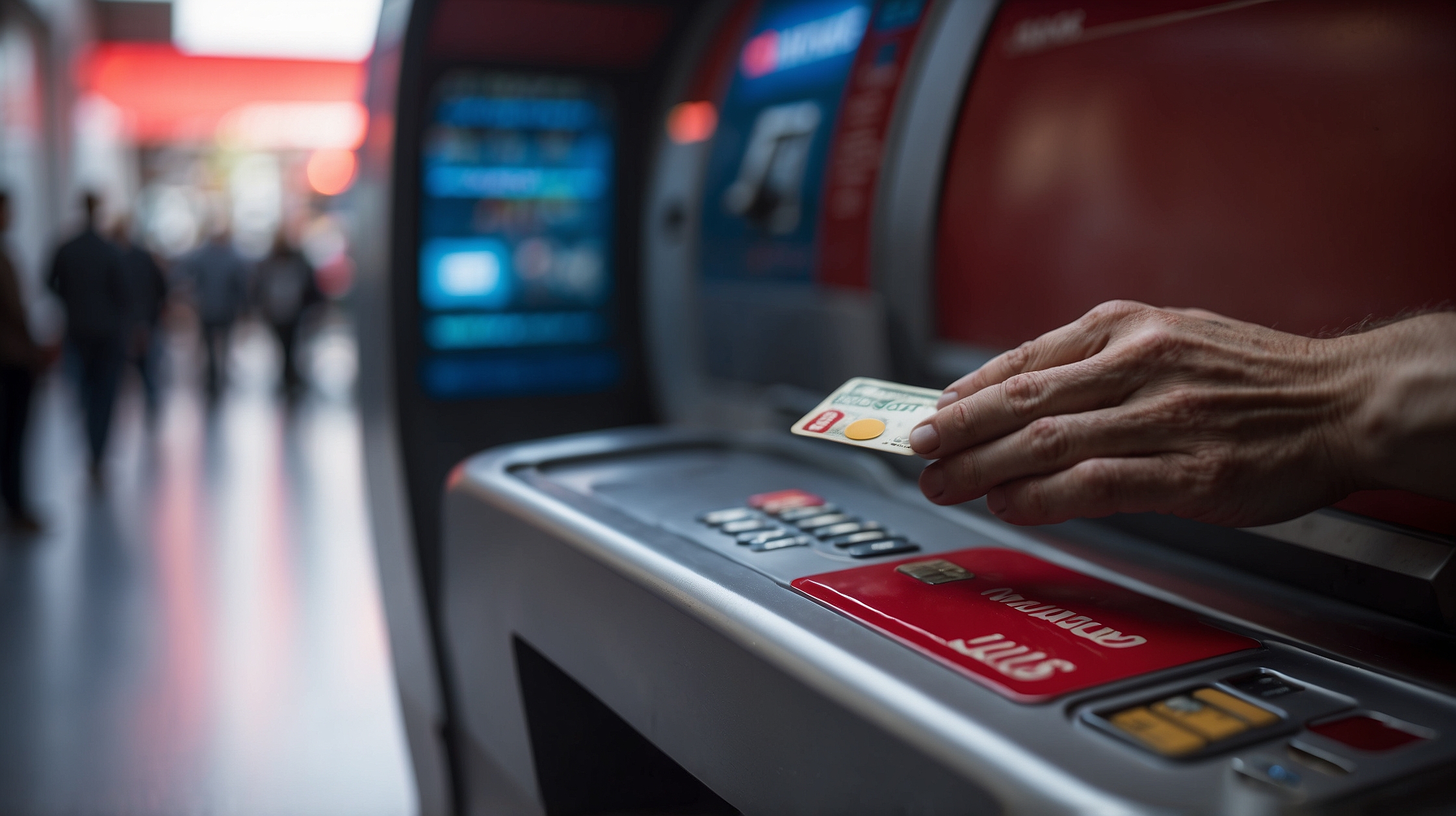
If you’ve ever inserted your debit or credit card into an ATM only to watch it get swallowed and not returned, you’re not alone. While it’s uncommon, it can be a confusing and frustrating experience—especially if it happens outside of bank hours or at a third-party ATM. Understanding why an ATM might retain your card and what steps to take next can make a big difference in how quickly you regain access to your funds.
ATMs can hold onto your card for a number of reasons: perhaps you entered the wrong PIN multiple times, the card has expired, or there’s a suspected case of fraud. Other times, it may be due to a technical malfunction or your own delay in retrieving the card from the slot. Regardless of the reason, knowing your options for recovery, the risks involved, and how to prevent it from happening again can save you time, stress, and potentially financial loss.
In this comprehensive guide, we walk you through the most common reasons ATMs keep cards, what you should (and shouldn’t) do if it happens to you, and tips for avoiding the situation altogether. Plus, we include expert insights on safety, customer rights, and the latest in ATM technology trends.
Quick overview: What to know if an ATM keeps your card
| Common reasons | Incorrect PIN, expired card, suspected fraud, technical error, card not retrieved in time |
| What to do immediately | Check nearby help signs, call your bank or ATM provider, document location and time |
| Chance of card return | High with bank-owned ATMs, less likely with third-party machines |
| Next steps | Freeze card, request replacement, dispute fraudulent charges if necessary |
| Preventive measures | Use in-network ATMs, act quickly, update expired cards, watch surroundings |
Why ATMs keep your card in the first place
The most frequent reason an ATM retains a card is for **security reasons**. For instance, if you enter the incorrect PIN three times in succession, the machine may interpret this as a possible fraud attempt and retain the card immediately. This is to protect your account and funds from unauthorized access.
Other causes include expired cards that fail to validate, or cards reported as lost or stolen. In some cases, technical issues like a power outage or internal mechanical problem could trigger the card retention. Moreover, if you delay too long in pulling your card out after your transaction is complete, the machine may retract it as a safety measure.
“Card retention is a protocol safeguard. It always errs on the side of user protection—even though it may feel intrusive.”
— Samuel Harlow, Senior Risk Analyst, National Bank Security Group
Immediate steps to take if it happens to you
When the ATM keeps your card, the key is to stay calm and respond quickly. First, check the screen for any error message. Some machines may explicitly tell you why your card was kept—others may not. Next, look for a help or customer service number displayed either on the screen or on the ATM body itself.
Call the number immediately and provide necessary details such as the exact location of the ATM, time of the incident, your name, and the last four digits of your card. Do not leave the ATM if it is owned by your bank; sometimes assistance can be dispatched immediately. Be sure to jot down or remember any identifying signage or codes on the ATM terminal itself.
If you’re at a third-party ATM, such as those found in convenience stores or gas stations, the process may differ and recovery is less likely. In these cases, contact your card issuer right away and notify them of the situation.
Next steps for securing your account
Your next priority should be to safeguard your funds. Even if your card was simply retained due to a mistake, it’s wise to freeze or lock your card using your bank’s app or online banking interface.
“Security best practices suggest you immediately disable a card if custody is no longer in your hands—even if it’s stuck in an ATM.”
— Liana Brooks, Cybersecurity Advisor
Next, order a replacement card to ensure sustained access to your account. You may be required to verify your identity for the new card to be issued. If you saw or suspect that someone watched you enter your PIN or tampered with the ATM, you should also consider placing a fraud alert on your credit file as a proactive measure.
How likely is it to recover your card?
If the ATM is owned and maintained by your bank, there’s a strong chance you can recover your card after it’s examined by a technician. However, this may take several business days and may not align with your immediate needs.
Conversely, with independently operated machines—particularly those in retail environments—the odds of a card being retrieved and returned to a legitimate cardholder are significantly lower. These machines often service hundreds of cards and don’t have the same level of direct support or oversight.
Using in-network ATMs is your safest option
Whenever possible, use ATMs owned by or partnered with your financial institution. These machines are more likely to offer better support and a faster response in the event of issues like card retention. Also, many banks provide 24/7 support specifically for ATM-related problems when using in-network equipment.
If you’re unsure whether an ATM is in-network, check your bank’s official app or website before making a withdrawal. Also look for your bank’s branding on the machine itself—this typically indicates it’s bank-owned.
Preventing your card from being kept again
Here are some proactive tips to avoid another card retention incident:
- Always double-check that your card isn’t expired before using an ATM.
- Retrieve your card from the slot as soon as the transaction finishes—don’t get distracted.
- If you’re entering your PIN in public, shield the keypad to avoid shoulder surfing.
- Inspect the ATM for suspicious devices or components before using, especially in unfamiliar locations.
- Use machines inside secure, well-lit banking environments whenever possible.
Remember, your card is a gateway to your finances. It’s worth taking a few extra seconds each time to ensure it’s secure.
Common myths about ATMs swallowing cards
There are several rumors and misconceptions about why ATMs keep cards. Let’s set the record straight:
- Myth: The bank keeps your card for no reason. Truth: There is almost always a valid cause, from PIN issues to machine malfunctions.
- Myth: You can retrieve your card by tapping on the machine or rebooting it. Truth: Modern ATMs are tamper-proof and won’t release a card once it’s held.
- Myth: You can only get your card back if you’re a bank customer. Truth: Banks are obligated to follow up regardless of your relationship with them—but the process may vary.
Short FAQs about ATM card retention
Why did the ATM take my card?
Common reasons include repeated incorrect PIN entries, expired cards, suspected fraud, or machine errors.
Can I get my card back from the ATM?
If the machine is owned by your bank, yes, usually within a few business days. Third-party ATMs are less predictable.
What should I do first?
Call the ATM help number, log the details, and contact your bank to freeze your card and order a new one.
Is my account still safe if the ATM has my card?
Generally, yes—but it’s best to freeze your card to prevent unauthorized access.
Will I be charged for a replacement card?
Most banks issue one free replacement annually, but policies vary. Check with your institution directly.
Can someone use my card if they retrieve it from the ATM?
Only if they also have your PIN. But it’s best to act fast and lock or deactivate the card.
Does card retention affect my credit score?
No, an ATM retaining your card does not impact your credit report or score.
Can I dispute any unauthorized transactions after this incident?
Yes, banks provide a window to file fraud claims. Act quickly and provide detailed documentation.


