
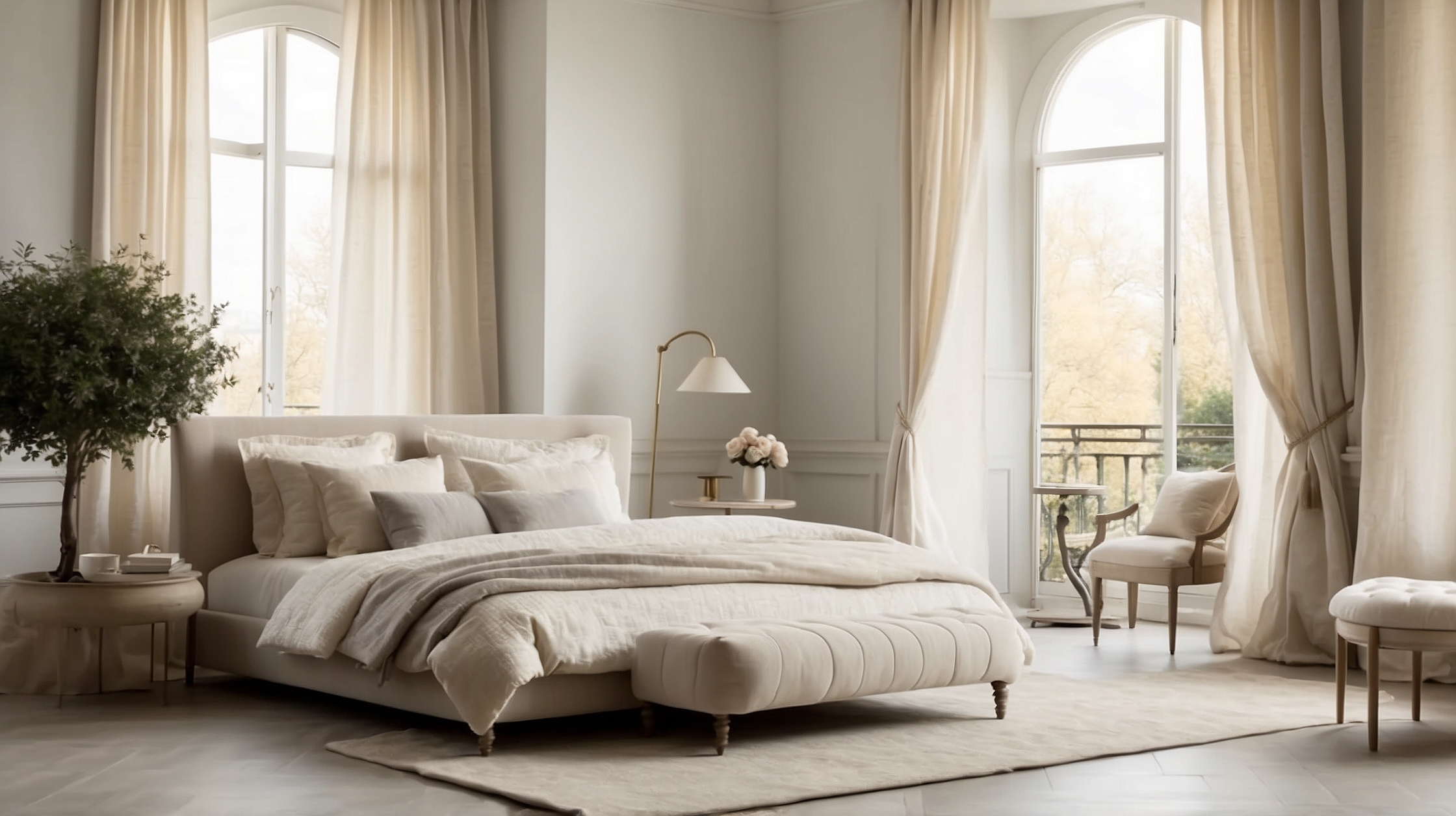
French homes are in the middle of a quiet, yet stylish revolution in bedding. Duvets—long the bedrock of European sleeping culture—are being gracefully phased out in favor of something more contemporary, versatile, and eco-conscious. In 2026, homeowners across France are waking up under covers that blend practicality with Parisian panache, ushering in a new era of comfort and design sophistication.
This transformation isn’t just a passing trend—it reflects a growing movement toward **intentional living**, sustainable home choices, and reimagined lifestyles that prioritize daily elegance and hygiene. The traditional duvet, typically a bulky down-filled blanket enclosed in a cover, is now being exchanged for a smarter and more manageable bedding option: the **layered French bedspread system**, a streamlined sleeping solution that’s quickly becoming a staple across stylish households. But what triggered this transition, and what makes this new trend irresistible to the modern French household?
Why bedding trends are changing in France
| Factor | Description |
|---|---|
| Hygiene Awareness | Increased focus on cleanliness post-pandemic drives demand for easier-to-wash bedding. |
| Climate Efficiency | Layering allows temperature control year-round without the need for seasonal duvet swapping. |
| Interior Design Trends | Modern French interiors are leaning minimalist and sleek, incompatible with bulky duvets. |
| Eco Sustainability | Modular bedding uses fewer resources and is more frequently made from organic or recycled materials. |
| Daily Practicality | Simplified morning routines with easier bed-making and cleaner aesthetic. |
What the new bedding system looks like
Instead of the all-in-one duvet insert slipped into a cover—an item notorious for being difficult to launder and style—the **layered approach** involves a combination of thin, foldable quilts, flat sheets, and decorative throws. These elements are easy to wash individually and flexible enough to accommodate season changes without a storage headache.
A typical upgraded French bed now features:
- A fitted organic cotton sheet
- A lightweight, easy-wash quilt suitable for year-round use
- A top flat sheet layered above for added warmth and hygiene
- One or two stylish throws folded at the end for personalization and extra comfort
This new setup isn’t just convenient—it reflects the rise of the “slow home” movement, which emphasizes thoughtful, quality-focused choices in home living.
What changed this year
The tipping point in 2026 came as the **French Consumer Affairs Ministry** released new recommendations for in-home hygiene standards, specifically spotlighting the bacterial buildup that can occur in long-term duvet use. Studies revealed that traditional duvets—even when used with covers—are rarely washed thoroughly enough, posing health risks. Popular TikTok creators and lifestyle influencers, always at the cultural forefront, pushed the conversation further, presenting chic alternatives to the conventional duvet that align with evolving eco-values and daily ease.
We’re seeing French households reinvent their entire approach to sleep culture, not just in what they use, but in why they use it.
— Élise Moreau, Interior Trends Analyst
Who’s leading the transition
Design-forward Parisians and younger homeowners are at the helm of this movement. In trendy districts of Marseille, Bordeaux, and Lyon, minimalist bedding configurations are proudly replacing colorful duvet sets. Eco-conscious brands making modular bedding lines with neutral palettes have seen a surge in sales, with demand for **non-duvet options** outpacing traditional bedding since early 2025.
This is less about replacing one item and more about rethinking how comfort is layered and personalized each night.
— Camille Laurent, Sustainable Household Designer
Benefits of going duvet-free
There’s more to this switch than just aesthetics. Homeowners adopting the new bedding system report:
- **Better sleep temperature regulation**, thanks to adjustable layers
- **Simplified laundry routines**, as quilts and sheets fit standard machines
- **Less clutter and seasonal storage**, since no bulky duvet needs tucking away
- **Reduced allergens**, especially dust mites that tend to accumulate within duvets
- **Improved bedroom elegance**, with cleaner lines and designer décor options
Winners and losers of the bedding shift
| Winners | Losers |
|---|---|
| Design-savvy homeowners | Duvet manufacturers |
| Eco-bedding startups | Laundry services tied to bulky bedding |
| Interior designers | Traditional linen stores without modern lines |
| People with allergies | Households with small appliances and no drying space |
How to make the switch seamlessly
Transitioning from a duvet-centric setup doesn’t have to be complicated. In fact, the modular nature of layered bedding makes it easy to start small and grow your collection over time. Here’s a quick step-by-step:
- Start with a high-quality fitted sheet in breathable cotton or linen.
- Replace your duvet with one or two washable quilts (ideally cotton or eucalyptus fibers).
- Introduce a flat top sheet for added warmth and sanitary separation.
- Add a seasonal throw or two for elegance and temperature control.
- Store heavy blankets post-winter, retaining only lightweight layers for summer.
The beauty of this system lies in its flexibility. Unlike seasonal duvets, which require storing, cleaning, and swapping, the quilt-layered method streamlines all of those steps into one year-round solution.
What French hotels and short-term rentals are doing
Not to be left behind, the hospitality industry in France is also moving with the trend. Boutique hotels from Normandy to the Riviera have begun replacing duvets with **tiered bedding setups** that allow quick turnover and easier maintenance. Travelers are noticing the difference and bringing home inspirational ideas from their stays.
Simplifying linens and reducing bulky wash loads helps both our operations and our guests’ comfort.
— Jean-Michel Rochas, Hotelier in Avignon
How this shift intersects with climate goals
France’s national push toward **carbon footprint reduction** plays a significant part in this bedding evolution. Manufacturing and maintaining duvets—often stuffed with down or synthetic polyester—has a much heavier environmental impact than layering with local, washable, organic materials. By switching bedding behaviorally, French homes are contributing to a greener Europe, one bed at a time.
And as companies continue to innovate, we may soon see insulation-tech within thin bedding layers that completely eliminate the need for heavy covers, even in northern winters.
Final thoughts: Duvet-free is the new chic
To outsiders, ditching the duvet may seem like abandoning a cozy staple, but to the French homeowner, it’s an **elegant evolution**—a move toward harmony between hygiene, design, and climate-conscious living. By 2027, experts predict that over 75% of urban French households will have adopted the new minimal bedding strategy, with rural areas following not far behind.
Whether driven by aesthetics, sustainability, or sheer convenience, France’s bedding switch reminds the world that comfort and sophistication don’t have to come wrapped in fluff. Sometimes, less really is more—even in the bedroom.
Frequently Asked Questions
Why are French people moving away from traditional duvets?
Due to hygiene concerns, convenience, and evolving interior design trends, many French homes are adopting washable, layered bedding alternatives to traditional duvets.
Is the new bedding solution suitable for winter months?
Yes. Layering multiple quilts and throws allows fine-tuned warmth in colder seasons, sometimes more effectively than single thick duvets.
Are the new styles of bedding more eco-friendly?
Absolutely. Many modular bedding solutions are made from organic, recycled, or sustainably farmed materials with a smaller carbon footprint than synthetic duvets.
What should I buy first to begin the switch?
Start with a high-quality fitted sheet and a medium-weight washable quilt. A flat sheet and throw will complete the base setup.
Can this new setup be used on all types of beds?
Yes. Whether you have a single, queen, or king bed, layering is flexible and fits all sizes easily.
Do other countries follow this trend too?
Yes, though France leads, other European and Scandinavian countries are slowly moving in the same direction due to similar hygiene and climate considerations.


