
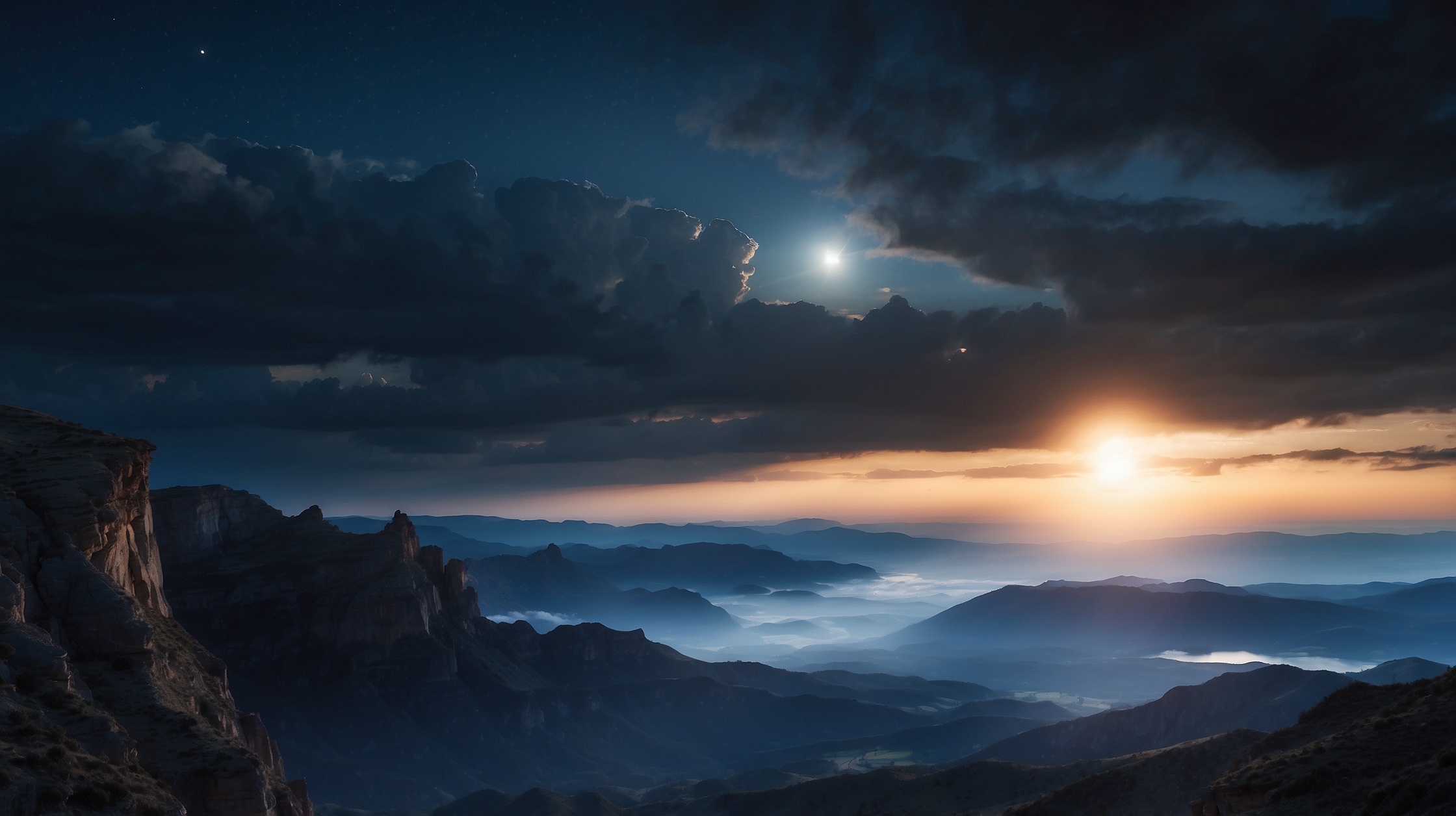
On the horizon of our cosmic calendar lies a truly spectacular event: the **century’s longest solar eclipse**, already set and scheduled to mesmerize millions. A phenomenon that turns daylight into twilight within a matter of minutes, this eclipse will offer a breathtaking visual journey as the Moon’s shadow travels across Earth. Celestial events of this magnitude evoke awe not only from seasoned astronomers but also from everyday skywatchers and curious onlookers eager to experience the profound silence and sudden darkness of such a rare phenomenon.
This isn’t just another eclipse. Astronomers confirm that the upcoming solar event will be the **longest total solar eclipse** of the century—a record rare in its occurrence and captivating in its scope. Whether you’re planning to watch it from a high-altitude observatory or an open field in your hometown, understanding the science, timeline, and best ways to prepare will make the experience unforgettable. As excitement builds worldwide, experts are emphasizing early planning, both for safety and optimal viewing.
Key facts about the century’s longest eclipse
| Event Name | Century’s Longest Total Solar Eclipse |
| Date of Eclipse | August 2, 2027 |
| Maximum Duration of Totality | 6 minutes 22 seconds |
| Best Locations for Viewing | Northern Africa, Mediterranean Region, Middle East |
| Type of Eclipse | Total Solar Eclipse |
| Occurs During | Late Morning to Early Afternoon (Regional) |
Why this eclipse stands out from the rest
Each solar eclipse has its unique footprint on Earth’s surface, but the 2027 event is exceptional for its prolonged period of **totality**, when the Moon entirely obscures the Sun’s face. Typically lasting a few minutes, total eclipses rarely exceed four or five minutes—yet this one will stretch an incredible **6 minutes and 22 seconds** at its peak, offering unparalleled viewing conditions for both amateur observers and scientific researchers.
During this time, the corona—or the outer atmosphere of the Sun—will become visible, presenting the rare opportunity for detailed observation and photography. **Astronomers and eclipse chasers** refer to this type of eclipse as a “once-in-a-lifetime opportunity,” not just for its duration but for the **favorable viewing conditions** across multiple continents.
Path of totality and best viewing spots
The eclipse will follow a sweeping arc from the Atlantic Ocean into Northern Africa, passing over parts of countries like Morocco and Egypt before reaching its longest visibility in central Saudi Arabia. From there, its path continues eastward. Some of the best urban centers for observation include **Luxor (Egypt)** and **Riyadh (Saudi Arabia)**, where the Sun will be directly overhead and the sky likely clear during the eclipse.
Experts suggest making travel plans early for the best seats in the house. Rural areas away from city lights and pollution offer the clearest skies and most immersive viewing. Given the high demand expected from global eclipse chasers and tourists, hotel bookings and travel arrangements should be finalized well ahead of time.
“This eclipse is an important event not just for enthusiasts but for scientific study, offering one of the cleanest conditions to observe solar phenomena.”
— Dr. Amal Sayeed, Astrophysicist
What makes a solar eclipse last longer
Several complex astronomical factors determine the **duration of a solar eclipse**. For this specific eclipse, the Moon will be near its **perigee**, or closest point to Earth, which allows it to cover more of the Sun’s surface from our perspective. Simultaneously, the Earth-Moon-Sun alignment will occur at an optimal angle to extend the period of totality.
Add to that the eclipse’s central path over regions with low horizon obstructions and dry climates, and you get near-perfect atmospheric conditions. Such a combination of variables is so rare that solar eclipse experts highlight this as a cosmic alignment “soon to be etched in history.”
Upcoming solar eclipse events for comparison
Before and after this record-setting solar event, several other eclipses will be visible across the globe, though none will match its duration or visibility. For example, a total solar eclipse will sweep across parts of North America on April 8, 2024, with a totality lasting around 4 minutes and 28 seconds—still significant, but well short of the 2027 mark.
Future eclipses will have unique features of their own, including hybrid and annular varieties. However, the August 2027 eclipse will remain the benchmark for this century in terms of **raw duration and clarity** of total solar coverage.
How to safely observe the total solar eclipse
While the allure of an eclipse tempts many to look directly at the Sun, doing so without proper protection can cause permanent eye damage. The only safe method to view the partial phases is by using **ISO-certified solar viewing glasses** or specially designed solar filters. During the brief window of totality, when the Sun is completely obscured, it becomes safe to look directly—though caution is always advised.
In addition, **telescopic solar viewers**, **pin-hole projectors**, and **solar binoculars** offer enhanced viewing experiences. Families, schools, and communities are encouraged to host eclipse events to promote safer and more educational experiences, especially for first-time viewers.
“No event underscores the vastness of our solar system like a total solar eclipse—it’s a majestic reminder of nature’s grandeur.”
— Jessica Monroe, Planetarium Director
Business opportunities surrounding the eclipse
Major astronomical events often spawn economic ripples in the regions they touch. The 2027 eclipse is expected to **boost tourism**, generate revenue for local vendors, and spark product launches centered around astronomy and photography. Hotels, tour services, transportation companies, and safety gear suppliers all stand to benefit from proactive planning.
This eclipse also offers a unique freelance and commercial opportunity for **photographers, bloggers, vloggers**, and tourism-focused social media influencers. From real-time broadcasting to premium footage licensing, the demand for immersive eclipse content will be higher than ever.
Winners and losers of the eclipse impact
| Winners | Losers |
|---|---|
| Local tourism sectors Educational institutions Media & content creators Scientific researchers |
Regions outside eclipse path Airline routes crossing the sun’s glare Unprepared local authorities |
What changed this year in eclipse science
New technological advancements in high-altitude balloons, satellite imagery, and ultraviolet cameras are expected to make the 2027 eclipse the most **scientifically documented** in history. Aerospace agencies and astronomical journals are already competing to draft proposals for solar corona mapping, climate observation, and electromagnetic data collection during totality.
Because total eclipses offer a temporary view beyond the Sun’s photosphere, researchers aim to pinpoint dynamic processes that lead to solar flares and coronal mass ejections—both capable of affecting Earth’s **magnetosphere and satellites**.
How to prepare for the event
Preparation involves more than just picking the right pair of solar goggles. Interested viewers should verify the path of totality against local geography, arrange transportation well in advance, and pack essentials such as **water, cameras, GPS devices, and solar maps**.
Special apps and software are now available that provide **real-time eclipse tracking**, alert systems, and AR-based visualization. For organizations planning to host watch parties, educational materials and trained staff will enhance both safety and public outreach.
“The 2027 eclipse will redefine public engagement with astronomy—not just a celestial shadow, but a chance to reconnect with the sky.”
— Prof. Michael Torres, Science Communicator
Frequently Asked Questions
When exactly will the eclipse reach its maximum duration?
The peak of totality—lasting 6 minutes and 22 seconds—is expected over Egypt in the late morning hours of August 2, 2027.
Can I view the eclipse from the United States?
No, the 2027 solar eclipse will not be visible from the United States. It primarily traverses North Africa, parts of the Mediterranean, and parts of the Middle East.
Is it safe to look at a solar eclipse without glasses?
No. Viewing any part of a solar eclipse without certified eclipse glasses or solar filters can cause serious eye injury, except during the brief minutes of totality when direct viewing is safe.
Will this eclipse be televised or streamed online?
Yes, many scientific organizations and media outlets plan to provide real-time broadcasts, including satellite feeds and commentary.
What should I pack for an eclipse viewing trip?
Essential items include eclipse glasses, sunscreen, water, GPS-enabled devices, eclipse maps, cameras, and weather-appropriate clothing.
How does this eclipse compare to past events?
This will be the longest total solar eclipse of the 21st century, surpassing other eclipses in both duration and visibility quality.
Why is totality longer in some places than others?
The duration of totality depends on your position along the eclipse path. Areas closer to the central line of shadow typically experience longer periods of totality.
Can this eclipse help scientists understand the Sun better?
Yes, total eclipses allow unique views of the Sun’s corona, which is crucial for understanding solar wind, flares, and magnetic activity.


