
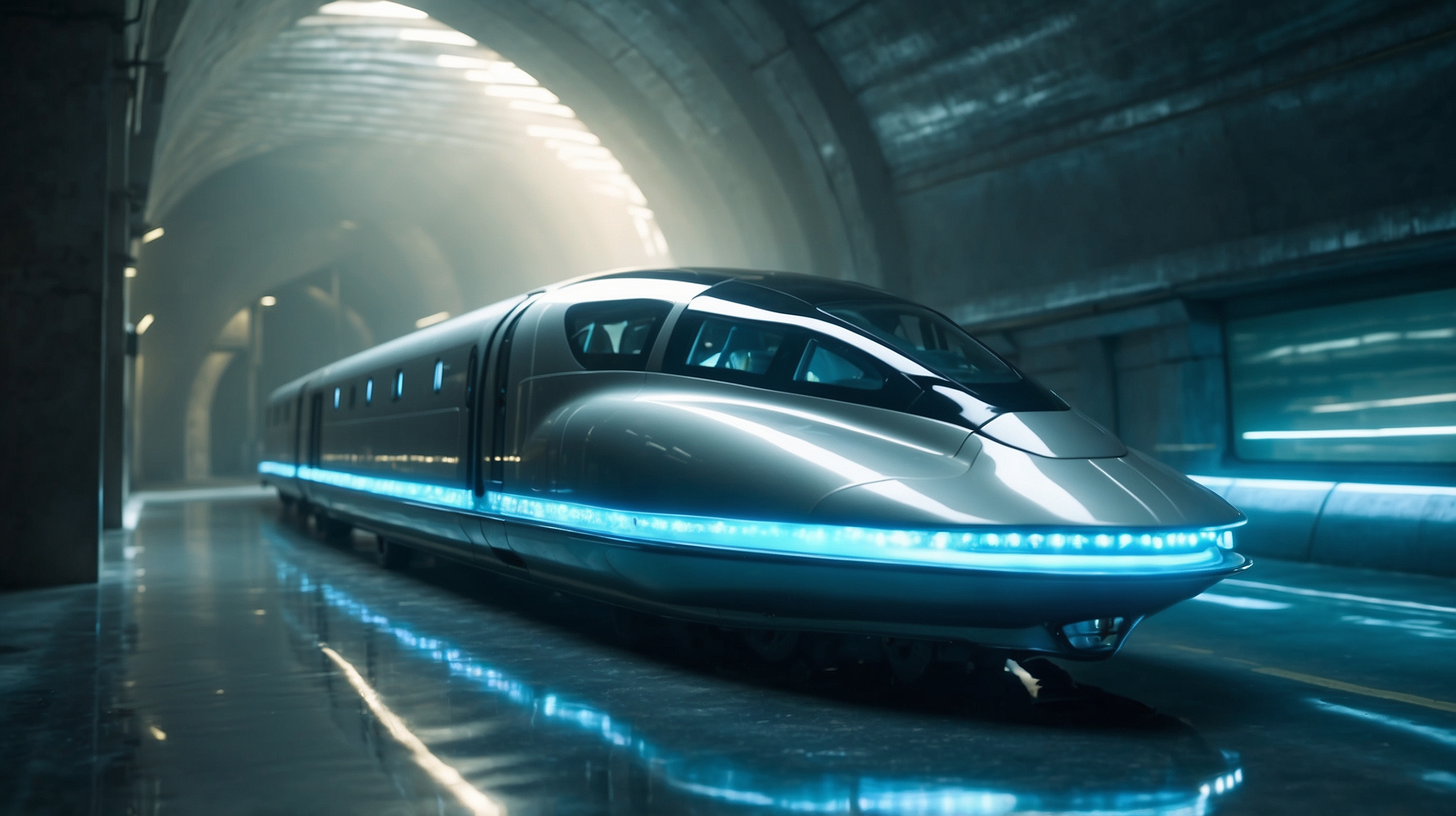
The concept of traveling between Britain and continental Europe through a revolutionary new undersea rail line has captured the imagination of engineers, policymakers, and travelers alike. Now, this ambitious infrastructure project is edging closer to reality, promising to dramatically alter how people and goods move between the United Kingdom and the European continent. If completed, the project could provide faster, greener alternatives to air travel, drastically reduce congestion on existing lines, and deepen economic integration between key nations in the region.
While the existing Channel Tunnel, completed in 1994, marked a major milestone in Anglo-European connectivity, the proposed new undersea line is meant to go beyond what the current infrastructure can handle. Leveraging advanced engineering and next-generation rail technology, the new corridor aims to boost capacity, reduce carbon emissions, and dramatically cut travel times. It’s a development that could change not just transportation but the broader geopolitical and economic landscape of post-Brexit Europe.
Key details at a glance
| Project Name | NextGen Undersea Rail Corridor |
| Location | Between UK & France, extending connections across Europe |
| Estimated Completion | Early 2040s |
| Estimated Cost | Over €100 billion |
| Key Benefits | Faster travel, lower emissions, higher freight capacity |
| Technology Involved | Hyperloop-integrated rail, AI-operated scheduling, hydrogen trains |
What drives the need for a new undersea rail
Since its inception, the Channel Tunnel has been central to European and UK trade and travel, but demand has far outpaced its capacity. Recent statistics show over 20 million passengers annually, along with around 25% of trade between the UK and EU passing through this route. With Brexit adding layers of regulatory and logistical complexity, the need for an improved transportation artery has become urgent.
Climate concerns are another major factor. The European Union’s commitment to becoming carbon-neutral by 2050 necessitates a shift away from air and road travel. Trains—especially those powered by renewable energy or hydrogen—offer a climate-friendly alternative that’s also more efficient. The proposed undersea rail project would integrate seamlessly with pan-European high-speed rail networks already in place, enabling a unified, sustainable, fast-track corridor across the continent.
The engineering and innovation behind the proposal
This isn’t just a longer or deeper tunnel; it’s a leap in transportation technology. One of the most talked-about elements of the project is the potential integration of Hyperloop segments—vacuum tube-based trains traveling at near-supersonic speeds. While still largely in testing phases, inclusion of this technology would make travel between London and Paris in under 30 minutes a real possibility in coming decades.
Furthermore, the tunnel is expected to deploy **AI scheduling systems** to optimize route availability, prevent delays, and enhance maintenance schedules. Hydrogen-powered trains are likely to be included as well, reflecting growing investments in green transportation technologies. These advancements promise not just a more efficient system, but also one that’s dynamically responsive to demand shifts and network pressures.
Economic and political implications for Britain and Europe
In the shadow of Brexit, there has been intense scrutiny over the UK’s connection—figuratively and literally—to the European mainland. Infrastructure projects like this offer a way to counteract some of the isolationist narratives by physically reinforcing Britain’s ties with its neighbors. Supporters argue that better transport routes can stimulate trade, create jobs, and foster technological leadership.
For European partners, especially France, Belgium, Germany, and the Netherlands, enhanced infrastructure means better access to UK markets and labor. It also aligns with the broader **EU Green Deal** objectives by shifting logistics from fossil-fuel-heavy trucks and planes to greener trains.
“Projects like this not only embody engineering brilliance, but they also have the potential to redefine European unity and economic collaboration in the post-Brexit era.”
— Dr. Helen Armitage, Infrastructure Policy Analyst
Major proponents and funding avenues
The project has gained support from a mix of public bodies and private investors. The European Investment Bank (EIB), several sovereign wealth funds, and major engineering consortiums are expressing preliminary interest. Likewise, the UK government has made infrastructure spending a linchpin of its economic growth proposals, and new funding instruments like green bonds are being explored to finance the build.
Nonetheless, coordination across jurisdictions remains tricky. The legal, economic, and environmental frameworks must be aligned across multiple sovereign states. Still, with climate change placing increasing pressure on governments to provide sustainable alternatives to flying, this multilateral cooperation seems increasingly achievable.
Expected timeline and milestones
As of 2024, the project is in its advanced feasibility study phase. Environmental impact assessments have been launched in both the UK and France, with test boring potentially beginning in 2026. The target date for initiating full-scale construction is 2028, with exit tunnels and surface integration slated for the early 2030s. Should all proceed as planned, travelers may board the first trains as early as 2041.
Given the project’s scope and scale, numerous validations, permits, and public consultations are scheduled throughout the decade. The commitment to transparency and public accountability is strong, with multiple stakeholder forums taking place each year.
Environmental benefits and climate considerations
The environmental benefits of a modern undersea rail corridor cannot be overstated. Initial projections suggest carbon output reductions of up to **70%** compared to commercial air travel for the same routes. The new system is expected to attract both passengers and freight transport companies eager to align with net-zero targets.
Additionally, the majority of energy used by the new trains will derive from renewable sources including offshore wind farms, which are already being constructed in the North Sea. The ecological impact of tunnel construction itself will be minimized using bore methods that reduce disruptions to marine ecosystems.
“Sustainability isn’t a side feature in this project—it’s the very foundation. It affirms that large-scale mobility can be green if we invest with the future in mind.”
— Johan Lemay, Environmental Engineer
Who benefits and what are the risks
| Winners | Losers |
|---|---|
|
• European freight logistics • Cross-border commuters • Environmental sustainability sector • Regional tourism economies |
• Airlines servicing short-haul UK-EU routes • Conventional road freight operators • Small ports losing cargo share • Local ecosystems (temporary construction impact) |
Long-term vision and global inspiration
This project could set the standard for similar infrastructure efforts globally. From high-speed rail corridors in Asia to proposed undersea connections in Scandinavia and North America, Europe’s ambitious rail agenda serves as a case study in how forward-thinking transport policy can blend innovation, environmental stewardship, and economic growth.
Lessons learned here will guide future mega-infrastructure projects, inspire policy modeling for green transitions, and place Europe at the forefront of 21st-century mobility architecture. Countries around the world are watching—and learning.
Frequently asked questions
What makes this undersea rail project different from the Channel Tunnel?
This new project aims to add capacity, reduce emissions, and introduce next-gen tech like hydrogen trains and potential Hyperloop integration, making it significantly more advanced than the original Channel Tunnel.
When will passengers be able to use the new undersea train?
If the current roadmap proceeds as planned, operations could begin by 2041.
How long will the journey between London and Paris take?
Advanced trains may cut travel time to under 30 minutes, although typical high-speed journeys will average around 1 hour, still far less than current options.
Who is financing the undersea rail corridor?
A mix of public and private bodies including sovereign wealth funds, the UK government, the European Investment Bank, and environmental financing groups.
Will freight also be transported through this tunnel?
Yes. Freight logistics are a key part of the plan, with enhancements for rail cargo to reduce road transport emissions.
How will this project affect air travel?
Short-haul flights between the UK and EU may decline significantly as passengers opt for faster, cleaner, and more economical ground travel.
What are the environmental advantages?
Carbon emissions could be reduced by up to 70%, and operations will be powered largely by renewable energy sources.
Is Hyperloop technology confirmed for this project?
Not yet. Integration is under feasibility review, but it remains a long-term possibility for future upgrades.


