
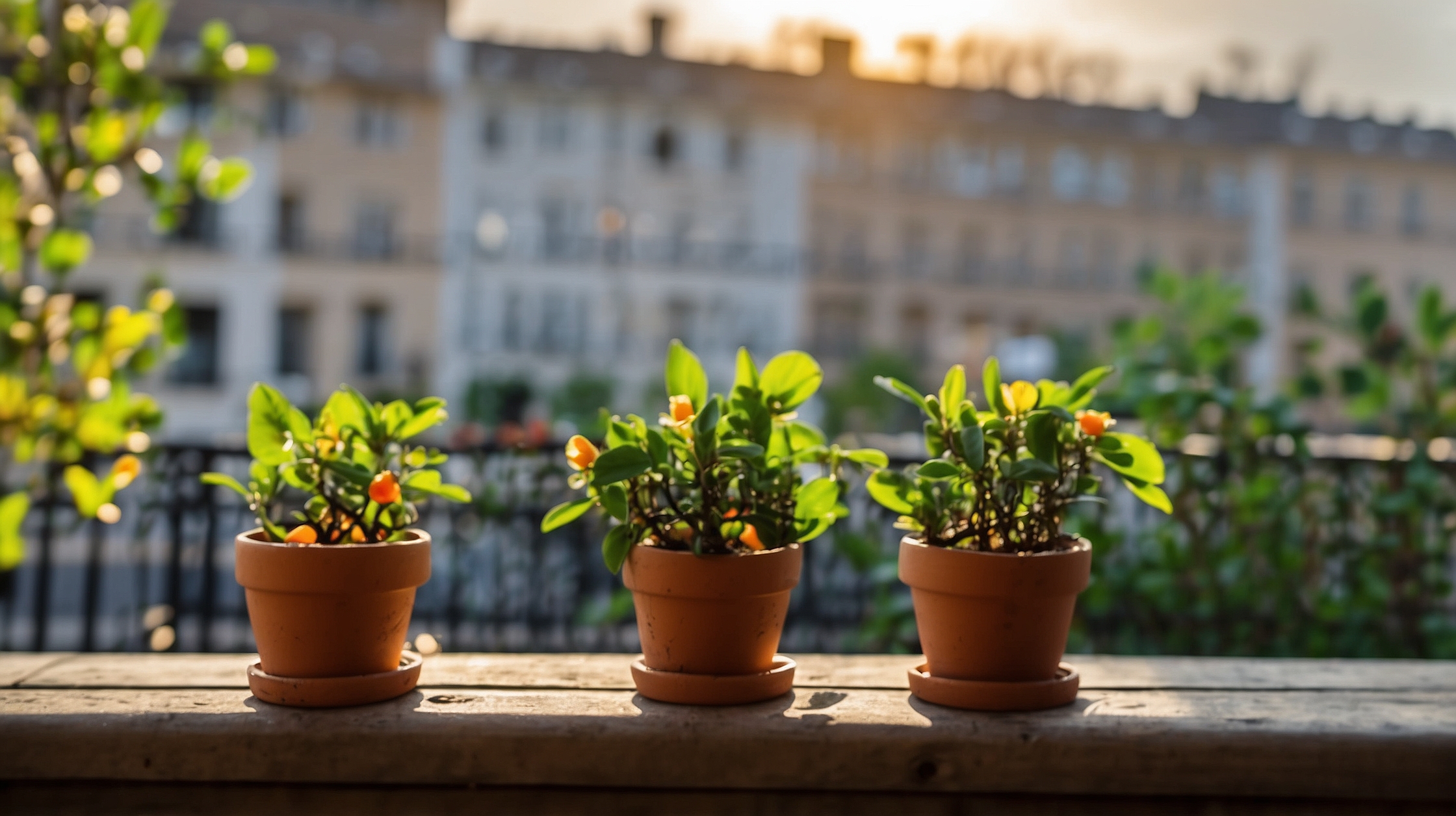
The surge in urban living and the desire for greener indoor spaces have sparked a fascinating trend in home gardening: **mini fruit tree pots**. These compact, fruit-bearing wonders are reinventing how city dwellers grow their own produce, even on high-rise balconies or kitchen shelves. With limited square footage to spare, small-space gardeners are turning to dwarf fruit trees to enjoy fresh, homegrown cherries, lemons, apples, and more — all without sacrificing style or convenience.
Unlike traditional fruit trees, mini varieties are designed to thrive in containers, often growing no taller than a few feet. The result? Decorative, low-maintenance plants that double as both fruit source and eye-catching décor. These potted trees offer an eco-friendly solution for renters, apartment dwellers, and minimalist growers who yearn for the satisfaction of harvesting their own fruit — no sprawling orchard required.
Mini fruit tree pots at a glance
| Feature | Details |
|---|---|
| Ideal For | Apartment dwellers, urban gardeners, small patios |
| Tree Size | Typically 2–5 feet tall |
| Fruit Types | Apples, lemons, cherries, peaches, figs, and more |
| Care Level | Low to moderate |
| Container Type | Ceramic, terra-cotta, wood, or recycled planters with drainage |
| Harvest Time | Varies by species (typically 6 months to 2 years) |
What’s driving the rise of mini fruit trees this year
As housing trends shift toward smaller homes and compact living environments, gardeners are adapting. The explosive growth of urban living — combined with post-pandemic interests in sustainable food growing — has pushed stylish, functional options like **mini fruit trees** to the forefront of indoor gardening culture. They offer benefits beyond just aesthetics: self-reliance, reduced grocery costs, and personal satisfaction.
Millennials and Gen Z, especially, are fueling this trend. Dubbed the “plant parents” generation, they seek **eco-conscious hobbies** that align with sustainability goals while also offering mental well-being. Caring for a small fruit tree on a balcony has become a form of mindful escape — one that also bears delicious rewards in the form of fresh produce.
“We’re seeing more customers ask for citrus trees that fit on a windowsill. It’s gardening but also decor.”
— Erica Bell, Horticulture Expert
Top types of mini fruit trees and why they’re popular
Not all dwarf fruit trees are created equal. Here are a few of the most popular varieties that thrive in pots:
- Meyer Lemon Trees: Known for their fragrant blossoms and rich yellow fruit, they’re perfect for sunny kitchens or balconies. Bonus: the aroma is unbeatable.
- Dwarf Apple Trees: Compact types like the “Urban Apple” produce full-sized apples on just a few feet of tree.
- Cherry Trees: Varieties like Stella and Carmine Jewel produce sweet fruit and require minimal space.
- Peach Trees: Limited-space options such as Bonanza offer luscious fruit with minimal pruning needs.
- Fig Trees: Ideal for containers, these hearty trees yield sweet figs in warmer climates or indoor light.
Each of these variety types requires slightly different care, but all are renowned for their adaptability to container life. They bring a touch of nature and nutrition into even the smallest apartment setups.
Potting strategies that make or break your mini fruit tree
Choosing the right container is arguably as important as selecting the tree itself. The right pot ensures optimal root development, drainage, and airflow. Most mini trees require a **container between 10–20 gallons** in size, made from breathable materials like terra-cotta or wood. Avoid pots with no drainage holes — root rot is a common threat in container gardening.
Soil is another crucial element. Use a light potting mix designed for citrus or fruiting plants. Avoid heavy garden soil that can compact and stifle root circulation. Include a layer of pebbles for drainage, and consider using a slow-release fertilizer to maintain nutrients through the growing season.
“It’s not just about planting a tree in a pot. Good drainage and the right soil mix are absolutely essential.”
— Dr. Nina Cho, Urban Botanist
Indoor vs outdoor placement — what works best
One of the greatest advantages of potted fruit trees is flexibility. You can place them outdoors in warmer months and bring them in to protect them during winter. However, not all mini trees adapt the same way to indoor conditions.
Fruit trees like lemon and fig tend to do well indoors year-round — provided they receive 6–8 hours of sunlight daily. If natural light is insufficient, a grow light can fill the gap. Apple and cherry trees usually prefer some outdoor exposure during blooming periods to promote pollination and fruiting.
Who these trees are best for — and who should rethink
Mini fruit tree pots are ideal for:
- Apartment residents with balconies or large window sills
- Busy professionals who want low-maintenance greenery
- Kids or beginner gardeners looking for a fun, visible payoff
- Eco-conscious individuals reducing their carbon foodprint
These compact trees may not suit those who:
- Live in extremely low-light homes
- Forget routine watering or fertilizing schedules
- Are looking for high-volume fruit production
How to start a mini fruit tree collection from scratch
Here’s a basic starter plan for anyone curious about collecting container fruit trees:
- Choose your fruit: Start with easy-maintenance types like Meyer lemon or fig.
- Select the container: Opt for pots 12–16 inches in diameter with drainage holes.
- Prep the soil: Use a fruit tree-specific mix, or amend your own using compost, perlite, and coconut coir.
- Water wisely: Keep soil moist but not soggy. Allow the top inch to dry between waterings.
- Fertilize monthly: Use citrus or tree-specific fertilizer during active growing months.
- Pick the right spot: South-facing windows or sunny patios are best.
“Think of these trees as an evolving feature piece. They reward you with fruit and beauty throughout the seasons.”
— Jamie Hall, Container Garden Coach
Winners and losers of the trend
| Winners | Losers |
|---|---|
| Urban gardeners with space limitations | Those expecting orchard-level production |
| Eco-friendly lifestyle adopters | Poorly lit apartments with cold drafts |
| Decor-minded homeowners | Anyone wanting maintenance-free plants |
Why mini fruit trees could change how cities grow food
With food sustainability becoming central to urban planning conversations, mini fruit trees may represent a future-forward solution. Easy to scale, transport, and manage, they empower households to take a small but meaningful step toward self-sufficiency. By planting a lemon tree in your window, you’re not only growing food — you’re also cultivating resilience.
“In a world where food systems are increasingly complex and fragile, growing even a small amount at home is empowering.”
— Lydia Young, Agritech Researcher
Frequently asked questions
Do mini fruit trees actually produce edible fruit?
Yes, most mini fruit trees are grafted or bred to produce normal-sized, edible fruit. Yield may be lower than full-sized trees but still satisfy personal consumption.
How long before a mini fruit tree bears fruit?
This varies by species and care level, but most trees fruit within 1–2 years. Some, like strawberries or figs, may bear sooner.
Can I keep a mini fruit tree indoors all year?
Yes, provided it gets at least 6 hours of direct sunlight daily or supplement with grow lights. Citrus and figs do particularly well inside year-round.
What’s the best fertilizer for container fruit trees?
A slow-release fertilizer specific to fruiting trees or liquid feed during growing seasons. Look for balanced nutrients with added magnesium and iron.
Are mini fruit trees pet-safe?
It depends on the type. Citrus leaves and pits from fruits like peaches and cherries can be toxic. Always research the plant type first if you have pets.
What size pot should I use?
Start with a 12–16 inch diameter container with drainage. As the tree matures, transplant to a slightly larger pot every couple of years.
Can I plant a mini fruit tree from seed?
Technically yes, but it’s not recommended. Seed-grown trees take longer to mature and may not produce fruit similar to the parent. Grafted nursery trees are ideal.
What’s the biggest mistake new growers make?
Overwatering. Roots sitting in soggy soil can quickly rot. Always use well-drained pots and let the top layer dry before watering again.


