
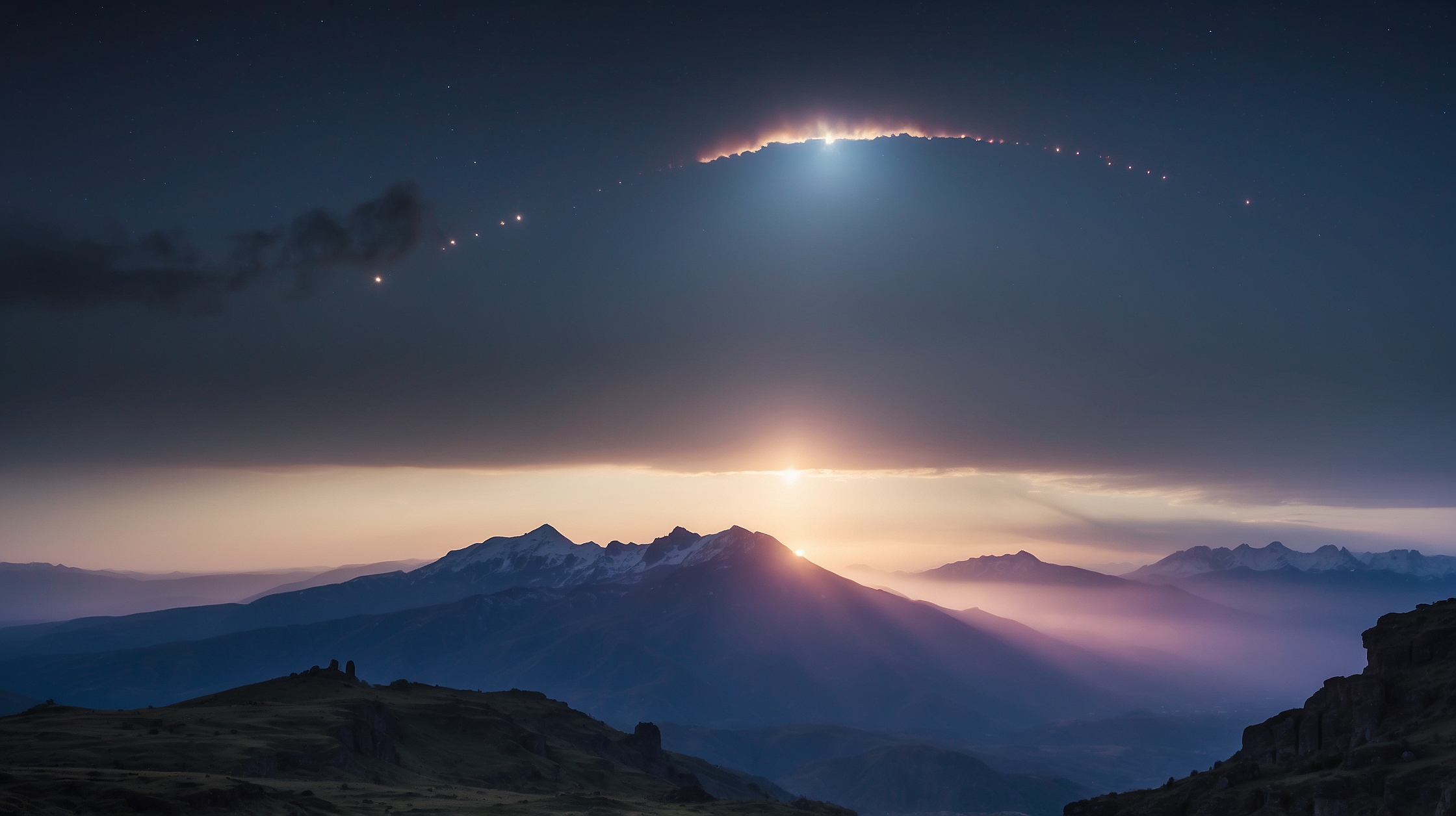
Skies across the globe are about to witness one of the most awe-inspiring celestial events of the 21st century: the **longest solar eclipse of the century** is set to occur, offering a rare daytime plunge into darkness. Enthusiasts, scientists, and nature lovers alike are buzzing with anticipation as this astronomical marvel approaches, promising a once-in-a-lifetime view for many observers worldwide.
This extraordinary eclipse will not only darken skies but also offer scientists a unique window into solar phenomena. As the Moon aligns perfectly between Earth and the Sun, casting its shadow over broad regions for an extended period, countless viewers will be treated to a prolonged, breathtaking spectacle. For sky gazers and eclipse chasers, this is more than just a date to mark on the calendar—it’s a cosmic event full of wonder, history, and science.
Event overview at a glance
| Event | Longest Solar Eclipse of the 21st Century |
| Date | July 22, 2009 |
| Type of Eclipse | Total Solar Eclipse |
| Maximum Duration of Totality | 6 minutes 39 seconds |
| Best Viewing Locations | India, China, parts of Japan, and the Pacific Ocean |
| Next Eclipse of Similar Duration | Not until June 13, 2132 |
Why this solar eclipse stands out
What makes the **July 22, 2009, solar eclipse** so monumental is its duration—it will be the **longest total solar eclipse** of the 21st century, lasting an incredible 6 minutes and 39 seconds at its peak. The average total solar eclipse only lasts about two to three minutes, which makes this event more than double the typical viewing time. This extended period of totality offers unmatched opportunities for **scientific research** and public engagement alike.
The eclipse will carve its way across the globe, beginning in India and gradually moving eastward across Asia, eventually ending over the Pacific Ocean. Millions of people within the eclipse path will experience **darkness in broad daylight**, with stars and planets becoming visible in the sky. For others outside the direct path, a partial eclipse will still be a remarkable sight, darkening the skies and creating a surreal daytime phenomenon.
Scientific significance of a longer eclipse
A longer solar eclipse isn’t just great for viewers—it’s a boon for scientists. During totality, the overpowering light of the Sun is blocked, allowing researchers to observe the **solar corona** in extraordinary clarity. This is the Sun’s outer atmosphere, normally invisible due to solar brightness, but rich in mysteries, including insights into **solar winds and magnetic fields**.
“This kind of extended eclipse gives us a rare chance for high-resolution imaging of the corona and to study solar dynamics in real time.”
— Dr. Maya Chen, Astrophysicist
NASA scientists have already mobilized expeditions, planning airborne and land-based studies, while universities in the eclipse path are organizing student-led research missions. Everything from **temperature drops** to **animal behavior changes** will be monitored, as this event provides a full-spectrum scientific lab under the sky.
What this means for eclipse chasers and tourism
The eclipse has triggered a tourism boom along its path, especially in countries like **India, China, and Japan**. Cities within the totality zone anticipate an influx of travelers looking for the best vantage points. In response, governments and tourism boards have launched campaigns and are equipping observation zones with **telescopes, guided tours**, and **educational materials**.
In China, the city of Hangzhou expects over 100,000 tourists just for the eclipse, turning this celestial event into an economic driver. In India, spiritual traditions are blending with science, as temples offer rituals and astronomy clubs conduct public viewings using solar glasses and pinhole cameras.
“We expect this eclipse to be one of the most watched and photographed events in history due to its long duration and visibility across heavily populated regions.”
— Ravi Meran, Director of Planetarium Association India
Safety and how to observe the eclipse
One of the most important aspects of viewing a solar eclipse is *safety*. Looking at the Sun without proper eye protection, even during a partial eclipse, can cause permanent damage. Officials and scientists alike stress the importance of using **ISO-certified solar viewing glasses** or indirect viewing methods like **a pinhole projector**.
In many cities along the path, public observatories and science centers will provide free or low-cost solar filters, eclipse glasses, and offer safety demonstrations. Never attempt to photograph or film the eclipse without specialized solar filters fitted to your lenses.
“There is no safe way to look at the Sun directly with the naked eye, even if the moon is covering part of it. Only during the full totality is it momentarily safe to look directly—otherwise, use proper equipment at all times.”
— Dr. Linda Patel, Solar Safety Educator
Past and future: placing the eclipse in cosmic context
Total solar eclipses have fascinated human civilizations for millennia, often documented in historical records, art, and mythology. What distinguishes this eclipse is not only its rarity within a single century but how thoroughly it can be studied and shared in real-time thanks to **modern technology and media**.
Scientists note that the next eclipse approaching this duration won’t occur until **June 13, 2132**, giving this event a unique spot in the timelines of both **astronomy and public spectacle**. The previous record-holding total solar eclipse before this one occurred over a century ago, further underscoring the phenomenal positioning of this 2009 event.
Public engagement and cultural celebrations
Beyond science and tourism, this eclipse is also inspiring creativity and cultural engagement. Museums host workshops, schools plan field trips, and artists around the globe are preparing eclipse-themed exhibits and performances. In some regions of India and China, traditional eclipse-related rituals will intertwine with **modern celebrations of cosmic awe**.
Social media platforms are already abuzz with hashtags, countdowns, and live streams planned for the day of the eclipse. This event embodies the meeting point of ancient mystery and modern connection—an astronomical moment that brings together cultures, generations, and perspectives under one sky.
Shortlist of prime viewing areas
- Surat and Varanasi in India
- Shanghai and Wuhan in China
- Ryukyu Islands in southern Japan
- Marshall Islands over the Pacific Ocean
6–8 key things to remember for the eclipse
- Check your city’s eclipse time and totality window
- Use proper solar filters or safe indirect viewing methods
- Watch weather forecasts for clear skies
- Join local astronomy clubs or community viewings
- Charge devices and cameras ahead of time
- Don’t miss the chance to record temperature and light changes
- Look for shadow snakes and crescent-shaped light patterns
- Most importantly, never look directly at the Sun
Frequently asked questions
What makes this solar eclipse the longest of the century?
This total solar eclipse lasts up to 6 minutes and 39 seconds, double the average duration. This rare alignment offers the longest opportunity for viewing and research this century.
Where will the eclipse be visible?
The eclipse will pass over northern India, central China, parts of Japan, and move out over the Pacific Ocean. It will be partially visible in many parts of Asia and southwestern Pacific regions.
How can I safely watch the eclipse?
Use ISO-certified solar viewing glasses or indirect methods like a pinhole projector. Never look directly at the Sun without proper protection, even during a partial eclipse.
What time will the eclipse occur?
It depends on your location. In India, it begins early in the morning shortly after sunrise, while in China, totality will occur mid-morning. Local times vary along the eclipse path.
How does a total eclipse affect animals and the environment?
Animals often become confused, displaying nighttime behaviors like birds roosting or crickets chirping. Sudden drops in temperature and lighting are also commonly recorded.
Can I photograph the eclipse with my smartphone?
You can with a solar filter attached to your camera lens. Specialized apps and zoom lenses can assist, but always use caution to protect your eyes and device.
Why is the next eclipse of this length so far away?
Such long totalities require very specific alignments of Earth, Moon, and Sun. This makes extended eclipses like the 2009 event quite rare in the astronomical timeline.
Are any events or festivals happening during the eclipse?
Yes, many cities along the eclipse path are hosting public viewings, cultural ceremonies, and educational workshops to celebrate and learn more about the phenomenon.


