
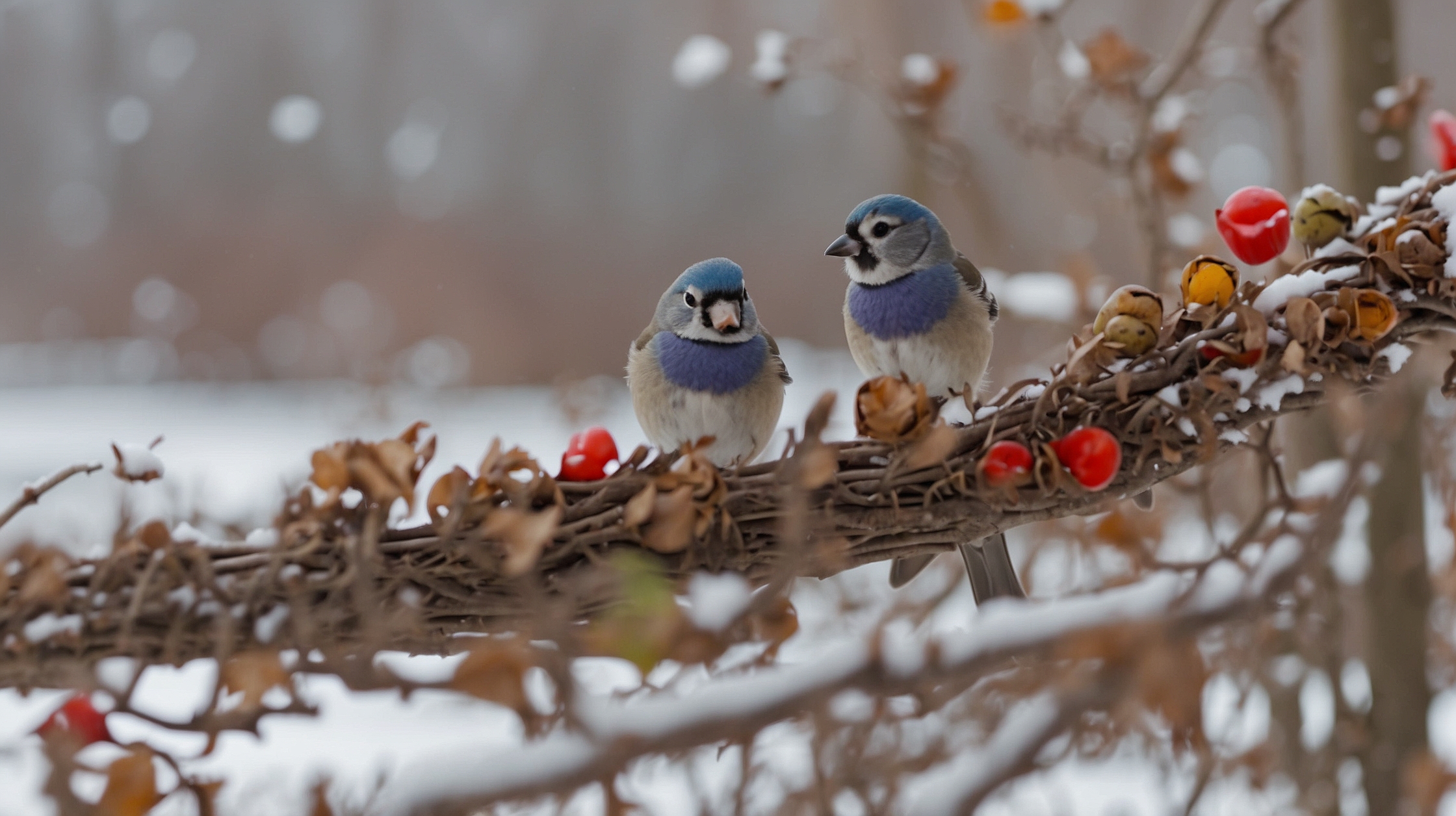
As winter thaws into spring across many regions, a new local controversy is brewing at backyard bird feeders. A growing number of residents have expressed concerns over a seasonal trend they dub “February feeders,” referring to individuals who offer deeply discounted bird feed during the final winter month. While many see it as a well-meaning effort to support songbirds in their most vulnerable season, critics argue that overfeeding with cheap seed mixes at this time jeopardizes birds’ natural foraging habits and may create long-term ecological disruptions.
For years, bird lovers have embraced winter as prime season for attracting feathered visitors with feeders stocked full of sunflower seeds, suet cakes, and millet. However, this year’s surge in low-cost feed sales—likely driven by end-of-season price drops—has sparked intense debate in several communities. Ecologists, birdwatchers, and even casual nature enthusiasts are voicing worries that easy meals are becoming the avian equivalent of junk food, preventing birds from maintaining their vital foraging instincts.
Supporters of the trend argue that extra calories during the coldest months help birds survive and recover, while critics point to potential ecological imbalance, disruptions to migration timing, and even increased risk of disease. As this heated subject continues to take flight, it’s clear that the simple act of feeding birds is far more complex than it first appears.
Key details about the February feeders controversy
| Issue | Controversy over bargain bird feeding in late winter |
| Term Used | “February feeders” |
| Main Concern | Disruption of birds’ natural foraging instincts |
| Driving Factor | Surge in cheap seed sales during February |
| Opposing Views | Feeding helps birds survive vs. feeding causes dependency |
| Main Locations Affected | Suburban and semi-rural areas in northern climates |
How winter feeding is shifting bird behavior
Winter feeding habits among birds have been observed for decades, and in colder regions, backyard snacks can make the difference between survival and starvation. However, experts now warn that mass availability of food at unnatural levels could alter short-term migration and long-term behavior patterns. Songbirds that once relied on foraging may instead cluster around abundant feeders, increasing risk of disease transmission and stress due to overcrowding.
“We’re seeing local populations of birds that remain sedentary instead of migrating because they’re so well-fed in one area,” noted one ornithologist.
There’s no doubt these folks are well-meaning, but overfeeding birds with low-quality seed—especially in large concentrations—alters their behavior in potentially harmful ways.
— Dr. Ellen Hart, Wildlife Ecologist
Additionally, birdseed quality has come under scrutiny. Heavily discounted mixes often contain filler grains like milo that aren’t suitable for many native species. Birds ignore them, and the uneaten seed can accumulate below feeders, attracting rodents and facilitating the growth of mold or fungus.
Who are the “February feeders” and why the criticism matters
So-called “February feeders” are usually casual bird enthusiasts who, eager to help, purchase bulk birdseed near the end of winter when stores begin their seasonal clearances. While the intention is good, the problem arises from feeding large volumes at a time when food naturally becomes more available in the wild.
More critically, this trend tends to peak in densely populated suburban neighborhoods, where many bird feeders are clustered within a few square blocks. This unprecedented abundance of food leads to unnatural congregation of species—something that scientists say not only disrupts feeding patterns but can contribute to avian flu transmission or other avian-specific illnesses.
It’s a classic case of too much of a good thing. Birds need calories, but they also need stimulation and ecological variety to stay healthy.
— Thomas Nguyen, Urban Wildlife Specialist
Impact on ecosystems and native species
The ripple effects of intensive winter feeding reach beyond the bird population. Ecologists have observed that squirrels, raccoons, and other opportunistic mammals also take advantage of the easy pickings, occasionally leading to increases in their populations in unnatural ways.
Non-native species such as house sparrows and European starlings often dominate easy-access feeders, outcompeting more selective or delicate native feeder birds. As these dominant species flourish, the balance of local avian populations shifts—potentially leading to the decline of less assertive, more ecologically critical species.
“The birds we most want to protect, like chickadees and nuthatches, aren’t the ones thriving in these mass feeding frenzy environments,” says Hart.
Local solutions and responsible feeding practices
While some critics argue for bans or regulations around late-winter feeding, most experts prefer an educational approach. Responsible bird feeding is possible—and even encouraged—if it involves safe, measured practices and high-quality seed suited to local species.
Suggestions include:
- Offering smaller quantities of fresh seed and cleaning feeders weekly
- Using seed blends appropriate for native species rather than filler-heavy mixes
- Spreading feeding sites to reduce density and over-crowding
- Limiting feeding in late February and March as natural food becomes more available
Educating the public about these strategies can ensure that intentions stay positive while minimizing harmful consequences.
Winners and losers this winter
| Winners | Losers |
|---|---|
| Non-native birds (starlings, house sparrows) | Native birds crowded out from feeders |
| Bird feed retailers with winter clearance sales | Suburban ecology stability |
| Backyard birdwatchers enjoying increased sightings | Natural foraging behaviors among songbirds |
What bird experts recommend going forward
Bird conservationists emphasize balanced feeding practices and seasonal awareness. While winter support feeding can save lives, it’s vital that it remains a supplement—not a replacement—for birds’ instinctual survival mechanisms.
Backyard feeding is best used as a bridge—not a crutch. We must remember that birds are wild creatures, not pets reliant on us.
— Julia Rangel, Avian Conservation Advocate
As climate change continues to alter migration patterns and the availability of natural foods, the role of human-fed support may become even more important. That makes it all the more crucial to align feeding practices with ecological integrity, rather than relying on overabundance and discount-driven decisions.
Frequently asked questions about February feeders
Why is feeding birds in February controversial?
Increased discount seed purchases in February can lead to overfeeding, potentially disrupting birds’ natural foraging patterns and attracting disease-prone congregations of wildlife.
Can feeding birds ever be harmful?
Yes. Overfeeding, unsanitary feeder conditions, and low-quality seed mixes can lead to health problems for birds and alter species balance in local areas.
What types of seed are best for winter feeding?
Black-oil sunflower seeds, nyjer (thistle), and high-fat suet cakes are excellent choices. Avoid seed blends with excessive fillers like red milo or cracked corn.
Should I stop feeding birds in early spring?
Gradually reducing feeding in spring is advised, as natural food sources become more abundant and birds begin nesting. This encourages natural foraging behavior.
How often should I clean my bird feeder?
At least once a week with a mild bleach solution or bird-safe cleanser to prevent mold and disease spread. More frequent cleaning is advised during wet conditions.
Are backyard bird feeders bad for native species?
Not if managed properly. When used with care, feeders support native species, but poor maintenance and overpopulation of dominant species can displace others.
Can feeding birds help during climate change?
Supplemental feeding can support birds facing shifting food sources due to climate change, but should always be done responsibly and seasonally.
Should feeding regulations be enacted by local governments?
Most experts prefer encouraging responsible practices over restrictions, emphasizing education and public awareness instead of legal measures.


