
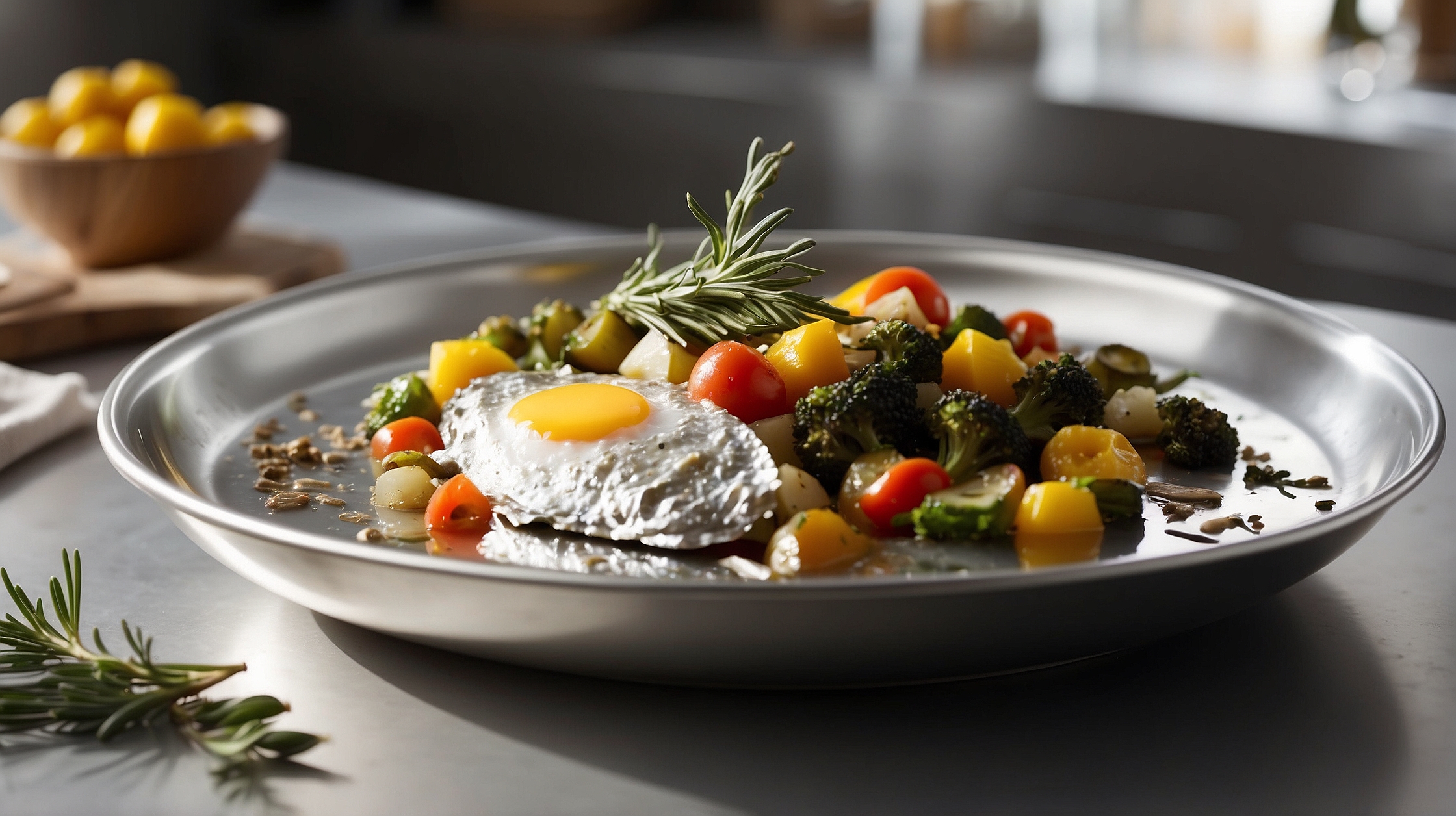
Whether you’re lining a baking tray or wrapping leftovers, you’ve likely used aluminum foil countless times without giving much thought to which side faces in or out. But despite its simple appearance, aluminum foil’s **shiny and dull sides** are not merely aesthetic differences—they often play a subtle yet significant role in cooking performance, depending on the technique used.
This household staple has long spurred debate: is there really a correct side to use? The answer is both yes and no. While for most general uses either side will suffice, certain cooking methods—particularly those involving heat reflection or food preparation nuance—can benefit from an intentional choice. As more home cooks and professional chefs look to maximize flavor, efficiency, and energy use, understanding the science behind aluminum foil’s shiny-dull dynamic becomes more relevant than ever.
Let’s explore how this material is made, why its two sides exist, and when it actually matters which side you use. Along the way, we’ll dispel myths and highlight expert insight to elevate even your most routine foil usage.
Aluminum foil at a glance
| Feature | Shiny Side | Dull Side |
|---|---|---|
| Surface Appearance | Polished and reflective | Matte and less reflective |
| Manufacturing Result | Result of contact with rollers during production | Opposite side that doesn’t touch rollers |
| Thermal Properties | Reflects more radiant heat | Absorbs slightly more heat |
| Ideal For | Protecting from heat (e.g. tenting meat to avoid over-browning) | Absorbing heat for better cooking (e.g. crisping food) |
| Food Safety | Both sides are food-safe | |
Why aluminum foil has two sides
The difference between foil’s two sides stems from **how it’s manufactured**. During the final rolling step of production, two sheets of aluminum are passed through highly pressurized rollers simultaneously. This ensures a uniform thickness, but because the two sheets are rolled together, their inner surfaces—the dull sides—don’t come into contact with the rollers, while the outer surfaces—the shiny sides—do.
This dual-sheet rolling technique is known as the **“doubling method”**, and it prevents the ultra-thin metal from sticking to itself or tearing during production. As a result, one side emerges shiny from contact with polished steel rollers, and the other comes out dull by comparison. There’s no added coating or chemical difference—just a byproduct of the process.
When the shiny or dull side actually matters
In everyday kitchen use, the side you choose typically won’t make or break your meal. However, when cooking with **high heat or radiant sources**, the distinction becomes more than cosmetic. Here’s why:
- Baking or roasting: When wrapping food or covering dishes, using the **shiny side out** can help reflect radiant heat away from the food. This is useful when you want to prevent overcooking or over-browning, especially with delicate baked goods or meats browning too quickly.
- To retain heat: If you want food to cook faster or stay warmer longer, placing the **shiny side facing in** can help trap heat inside—very useful when baking potatoes or retaining heat post-cooking.
- Broiling or grilling: Use the **dull side out** for crisper texture and better heat absorption when grilling vegetables or crisping skin on poultry.
So while manufacturers say either side can safely touch food, culinary science reveals that *how* you use each side can subtly impact results. Think of it not in terms of right or wrong, but as another tool for temperature control.
Common misconceptions about aluminum foil
Many falsely assume that one side is chemically treated or more non-stick than the other. That’s not true for standard aluminum foil. However, if you purchase **non-stick foil**, it’s typically labeled and often implies that the non-stick coating is applied to the dull side—so you’ll want to place food against the dull surface in that case.
Another myth is that the shiny side is inherently “better” or more sanitary, when in reality both sides are made from the same aluminum sheet and are cleaned during production. They’re equally **safe, sanitary, and capable of handling high temperatures** without risk of contamination or flavor transfer.
“Understanding how aluminum foil reacts to heat can help home cooks make smarter choices in the oven or on the grill—it’s a simple tweak with noticeable results.”
— Chef Marcus Halley, Culinary Educator
Best practices for using aluminum foil in the kitchen
Knowing the subtle differences between shiny and dull sides can enhance your culinary results when used mindfully. Here are recommended practices to get the most out of your foil:
- Use the shiny side out when deflecting heat, such as covering a turkey to prevent over-browning while still allowing internal cooking.
- Face dull side toward food when you’re seeking crispness or more direct heat exposure, like roasting root vegetables.
- Line pans with the dull side down for slightly better heat transfer into the pan surface.
- With non-stick foil, always read packaging instructions—usually, the dull side is the non-stick coating side.
Environmental impact and sustainability tips
Aluminum foil gets a bad rap environmentally due to being a single-use item, but when used and disposed of correctly, it can be **recycled** in most municipal programs. Make sure to clean off any food residue first. Reusing foil where possible—such as for lining trays or wrapping sandwiches multiple times—can extend its life and reduce waste.
Reusable alternatives like **silicone baking mats or beeswax wraps** have gained popularity, but aluminum foil remains unmatched when it comes to high-heat tasks or wrapping greasy or acidic foods that degrade other materials.
“While aluminum foil isn’t inherently wasteful, its sustainability depends on user behavior. Rinsing and recycling whenever possible is key.”
— Dana Reyes, Environmental Impact Analyst
Summary of when foil side makes a difference
| Use Case | Shiny Side | Dull Side |
|---|---|---|
| Prevent over-browning | Use Outside | Use Inside |
| Crisping or browning | Use Inside | Use Outside |
| Non-stick foil | Not applicable | Use Dull Side (coated) |
| Retain internal heat | Face Down (toward food) | Face Up |
| Recycling tip | Clean all used foil before putting into recycle bin | |
FAQs about aluminum foil sides in cooking
Does it matter which side of aluminum foil you use?
It depends on the cooking method. Using the shiny side out can help reflect heat; dull side out can promote crisping. For everyday use, either side is generally fine.
Is one side more non-stick than the other?
Only specific non-stick foil products are treated with a non-stick surface, usually on the dull side. Regular aluminum foil has no side that is more non-stick.
Can aluminum foil be used in the microwave?
No. Aluminum foil should never be used in a microwave as it can spark and pose a fire hazard.
Is it safe to cook food directly on aluminum foil?
Yes, both sides of standard kitchen foil are food-safe. However, avoid using with highly acidic foods long-term, as it can cause corrosion.
Why does aluminum foil sometimes discolor in the oven?
This is usually due to exposure to high heat or acidic ingredients. It’s harmless but can indicate a reaction. You can switch out foil more often if you prefer.
Can aluminum foil go in the air fryer?
Yes, in most air fryer models, as long as it does not block vents or fan airflow. Always consult your air fryer’s instruction manual first.
Which side of non-stick foil should touch the food?
The dull side, which is treated with a non-stick coating, should touch the food when using non-stick aluminum foil.
Is shiny aluminum foil dangerous?
No. Both shiny and dull sides are equally safe for cooking, wrapping, and food contact.


