
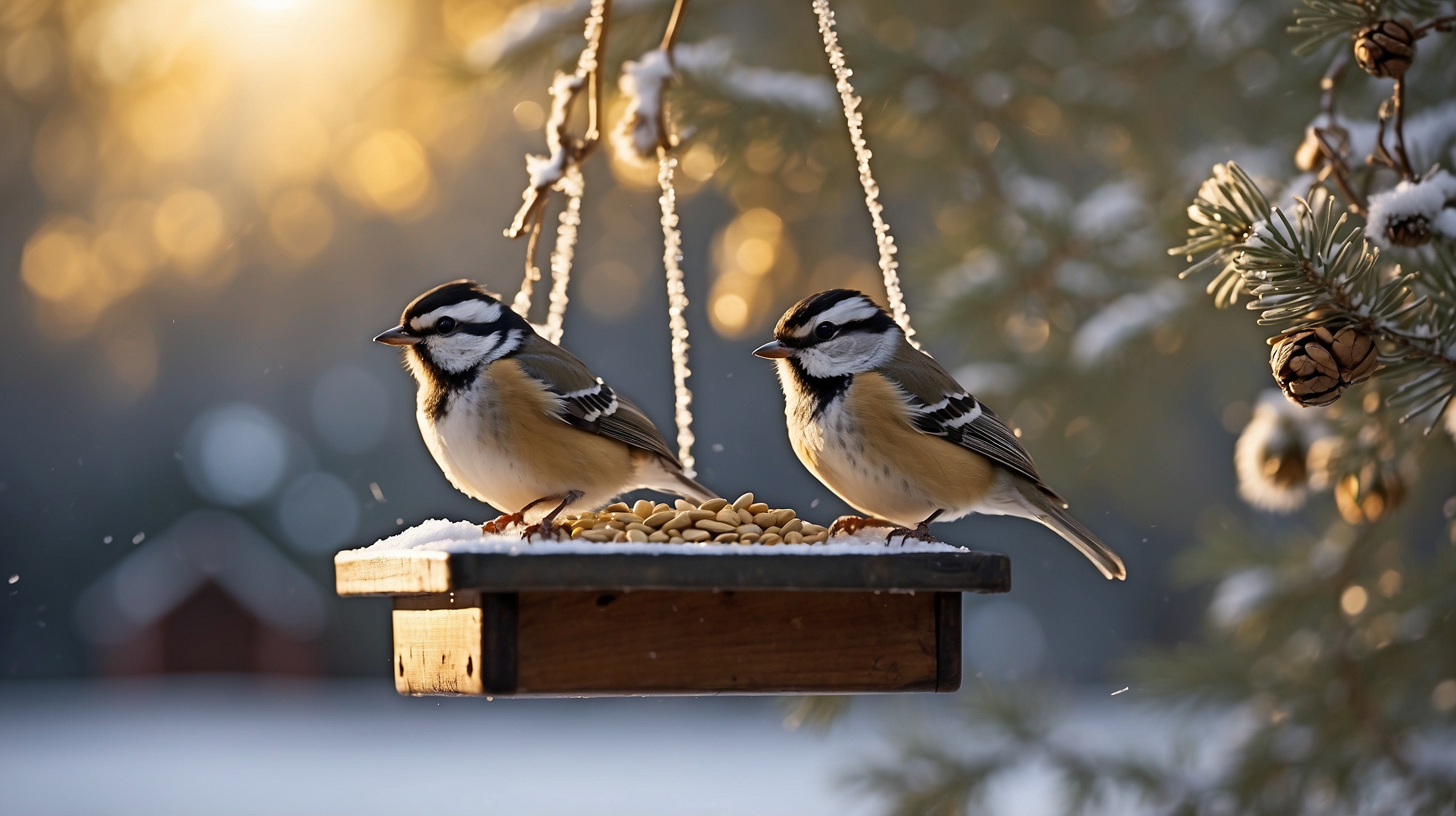
As winter takes hold and temperatures plunge, wildlife across the regions face greater survival challenges—and backyard birds are no exception. In the frosty stillness of a freezing night, small birds can lose significant body heat. While many of us ensure our pets stay warm indoors, wild birds fight to survive the elements outside. Fortunately, there’s one powerful and natural food that can make a huge difference in their ability to stay warm: **black oil sunflower seeds**.
This winter staple is more than just a backyard bird feeder favorite. Black oil sunflower seeds are dense in energy, have a high fat content, and are easy for small birds to shell and digest, meaning these little powerhouses are precisely what our feathered friends need to generate body heat on long, cold nights. As the thermometer drops, energy needs increase. For birds, that can mean life or death—and having an energy-rich food source at the ready makes all the difference.
If you’re passionate about supporting local wildlife, especially during periods of harsh weather, learning about the importance and use of black oil sunflower seeds can help you create a refuge right in your own backyard. Understanding the science behind how birds survive winter—and how the right nutrition plays a role—isn’t just fascinating; it’s a meaningful way to give back to nature.
Quick overview: Why black oil sunflower seeds matter
| Key Ingredient | Black Oil Sunflower Seeds |
| Primary Benefit | High fat content helps birds produce body heat overnight |
| Bird Species Benefited | Chickadees, Cardinals, Nuthatches, Finches, Titmice, more |
| Why It Works | Energy-rich, easy to eat, and helps birds meet caloric needs faster |
| When to Provide | Late fall through early spring, especially during cold snaps |
Why black oil sunflower seeds stand out as winter’s best bird food
Among the wide variety of seeds and food items offered to birds during winter, **black oil sunflower seeds** consistently come out on top. One major reason is their **nutritional profile**. Each tiny seed is packed with fat, with a higher oil content than striped sunflower seeds, making them an ideal food source for birds needing to generate warmth quickly. This makes them especially valuable during sudden temperature drops or extended periods of snow cover, when foraging becomes difficult.
Not only are they nutritious, but they are also **easy to crack**. The thin shells of black oil sunflower seeds are no match for even the smaller beaks of finches and chickadees, minimizing the energy birds expend while feeding. Compared to harder or bulkier seeds like millet or safflower, this makes black oil sunflower seeds much preferable in terms of sheer caloric efficiency. Every bite counts when nights are long and cold.
Cold nights and the battle birds face to stay warm
During winter, many backyard birds enter a state known as **torpor**, where their metabolism slows to conserve energy. This is particularly common in species such as chickadees. Despite this, they still need enough calories before nightfall to make it through the sub-zero temperature drops with sufficient body heat. Without a dense source of fat, they can lose up to 10% of their body mass overnight.
“Birds have evolved clever strategies for winter survival, but even the best natural adaptations require energy,” explains wildlife biologist Dr. Eliza Harper. “That’s why providing high-fat foods like sunflower seeds is one of the most effective things homeowners can do if they want to help.”
Which bird species benefit the most from this winter essential
Though black oil sunflower seeds help a variety of birds, some species tend to visit feeders more voraciously during winter because these seeds mimic the fatty nut content they’d naturally seek in the wild. These include:
- Chickadees: Highly active and inquisitive, they rely on rich food to sustain their rapid metabolisms.
- Nuthatches: Known for caching seeds in tree bark for later, black oil sunflower seeds are ideal for storage and consumption.
- Cardinals: These eye-catching birds are year-round residents in many regions and benefit greatly from high-energy seeds in winter.
- Titmice: Like chickadees, they need consistent fuel to power their foraging and roosting behaviors during cold spells.
“I’ve noticed a sharp increase in cardinal visits after I switched to black oil sunflower seeds in late November,” shares hobbyist birder Joan McClellan. “They almost seem to come to expect it every morning now.”
How to safely provide black oil sunflower seeds during cold months
Choosing the right feeder, placement, and care is essential for maximizing the benefit of these seeds. Here are a few key tips:
- Use a sturdy hopper or tray feeder to accommodate multiple bird species.
- Place feeders near shrubs or bushes for cover from predators and wind.
- Clean feeders regularly to prevent disease spread, especially in damp, freezing conditions.
- Refill feeders daily during storms or deep freezes—birds expend more energy those days.
Your feeder could become a lifeline. During harsh nights, birds often rely on previously cached food or predictable feeding stations. If you’re consistent, your feeder helps birds establish a reliable route that supports their survival efforts.
Additional foods to supplement your winter feeding
While black oil sunflower seeds are the gold standard, providing variety can further help backyard birds thrive. Complement their diet with:
- **Suet cakes**: Excellent for clinging birds like woodpeckers and nuthatches thanks to their extremely high fat content.
- **Peanuts (unsalted)**: Another high-energy option good for bigger birds like blue jays and titmice.
- **Nyjer seed**: Attracts finches and provides a smaller-sized, oil-rich source of caloric support.
“Offering multiple food types helps more species make it through winter, since different birds have distinct dietary needs,” adds Dr. Harper.
Winners and those less affected
| Winners | Less Affected |
|---|---|
| Chickadees | Migratory birds not present in winter |
| Nuthatches | Birds that primarily forage on insects |
| Cardinals | Species in milder climates |
| Finches & Sparrows | Owls and raptors (less reliant on feeders) |
Creating a backyard refuge that saves lives
With more unpredictable weather patterns and colder-than-usual snaps occurring in recent winters, your backyard can play a bigger role than ever before. A thoughtfully stocked bird feeder filled with black oil sunflower seeds can attract a wide variety of birds, offering nutrition, warmth, and hope when nature becomes most unforgiving. Combine this with good feeder placement and consistent refills, and you’re offering more than a meal—you’re offering sanctuary.
“A single bird feeder filled with the right food can serve as a crucial winter oasis for dozens of birds each night.”
— Dr. Eliza Harper, Wildlife Biologist
Frequently Asked Questions
Why are black oil sunflower seeds better than striped sunflower seeds?
Black oil sunflower seeds have a thinner shell and higher fat content, making them more accessible and energy-rich—especially important in colder months when birds need to generate body heat quickly.
Can I use regular birdseed mix instead?
Mixed seed can be helpful, but black oil sunflower seeds provide superior nutritional bang for the buck during winter due to their fat and calorie density.
How often should I replace the seeds in the feeder?
Feeders should be checked daily, especially during freezing rain or snow, to ensure seeds haven’t become wet or moldy. Refill and clean regularly to maintain a safe environment.
Which birds are most likely to visit my feeder in winter?
In most regions, expect visitors like chickadees, cardinals, nuthatches, titmice, finches, and sometimes woodpeckers depending on what foods are available and your geographic location.
Will these seeds attract squirrels?
Yes, squirrels love sunflower seeds too. Consider rubber baffles or squirrel-proof feeders to keep them from monopolizing your birdseed supply.
Is it okay to feed birds in winter or should they forage naturally?
Feeding birds responsibly during winter helps supplement their diet during the hardest months when natural food is scarce. As long as you offer safe, high-quality feed and keep feeders clean, it’s beneficial.
Can I start feeding birds halfway through winter?
Absolutely, it’s never too late. Just try to be consistent once you start, as birds learn your location and may come to rely on it, especially after snowfalls or cold snaps limit other food sources.
Do birds really use fat to stay warm?
Yes. Birds convert high-fat foods into quick internal heat through rapid metabolism, especially at night when body temperature drops and energy is required to survive the elements.


