
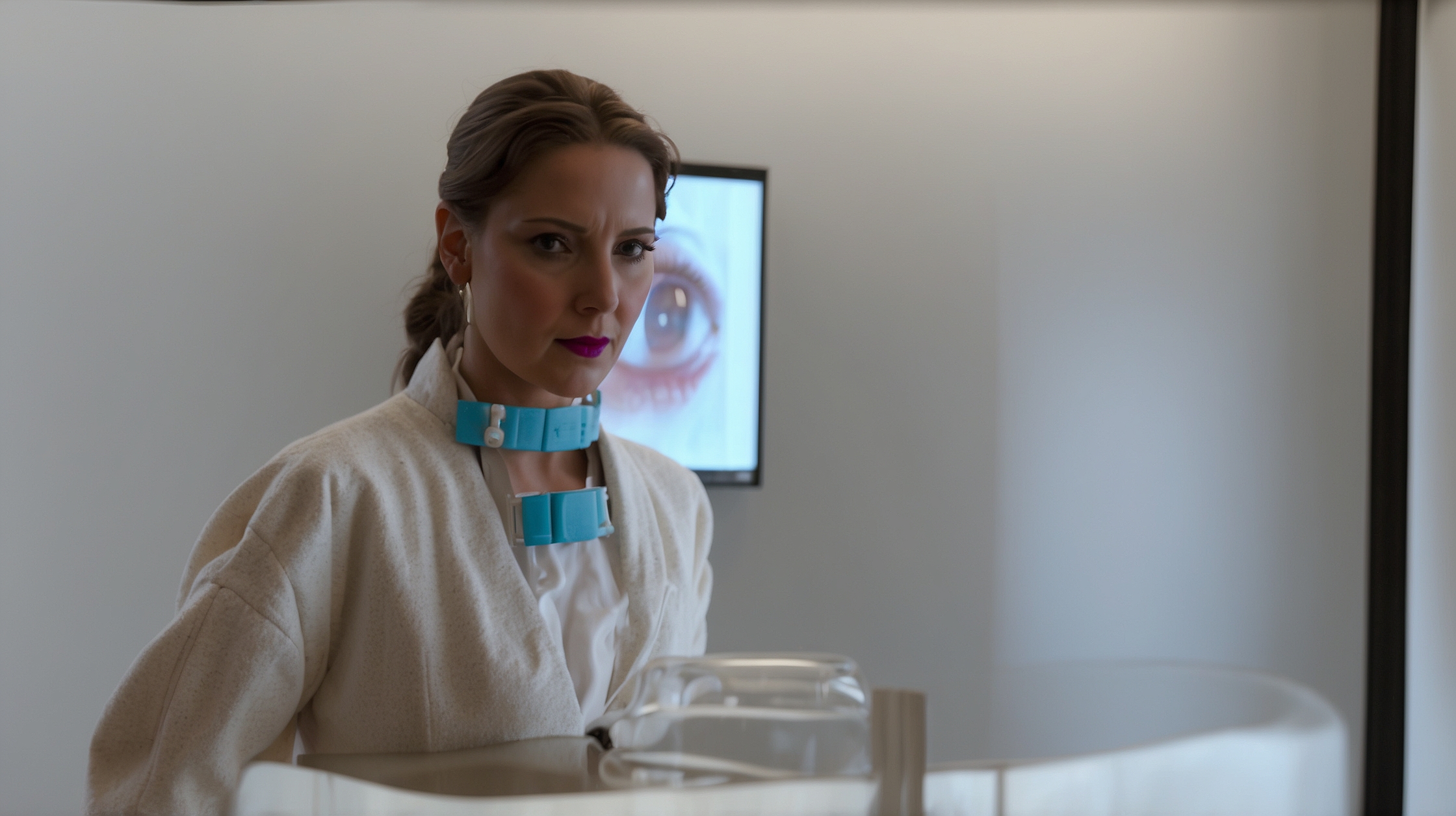
An experimental transparent eye gel offers hope for restoring vision to millions—but not without controversy. The groundbreaking new ocular treatment, hailed by biotech developers as a noninvasive alternative to corneal transplants or artificial lenses, is generating buzz among both clinicians and patients. Transparent, biocompatible, and injectable, the gel could represent the next evolution in eye care. However, some experts are raising red flags about its long-term safety and unproven efficacy, leading to a heated debate in the ophthalmology community.
This eye gel, designed to fill in damaged corneas and restore their shape and function, mimics the natural environment of the eye better than existing synthetic solutions. Trials in animals have shown promising results, with full cornea healing and restored clarity. The innovation has spurred optimism that such a gel could replace the need for corneal donor transplants—a major advantage since donor tissues are often in short supply. Yet while early tests indicate promising outcomes, the medical community remains split over its use in humans due to lack of long-term data and concerns about side effects.
Key facts and features of the experimental eye gel
| Medical application | Corneal repair and vision restoration |
| Substance type | Transparent, synthetic hydrogel |
| Mode of delivery | Injectable |
| First unveiled | 2023 |
| Primary benefit | Could replace need for corneal transplants |
| Lead researchers | International team including bioengineers and ophthalmologists |
| Clinical trial status | Preclinical stage and early trials in selected nations |
What the eye gel could mean for millions of patients
Globally, over 12 million people suffer from vision loss due to damaged corneas. For many in low-income and developing countries, access to donor corneas or qualified surgeons is extremely limited. The synthetic eye gel could be a game-changer, offering a low-cost and easily stored alternative that doesn’t rely on donor tissue. Its design allows it to replicate the biochemical and mechanical properties of a human cornea, helping cells regenerate and corneal tissue heal naturally.
This solution could significantly lower wait times for vision-restoring procedures and even bring advanced eye care to regions lacking surgical options. For aging populations where conditions like keratoconus and corneal scarring are prevalent, the noninvasive and regenerative nature of the gel may offer a safer approach compared to current methods that involve surgical transplants or rigid implants.
Why ophthalmologists are divided over using the gel
Despite the innovation’s promise, many eye specialists remain skeptical. Concerns stem mainly from the limited data available from human trials. Critics argue that while animal models show reduced inflammation and successful restoration, animal eyes respond differently from human systems. There may be immunological issues and unexpected complications once the treatment is widely administered.
We desperately need alternatives to corneal transplants, but safety must come first. The benefits look enormous, but the risks are still unknown over the long term.
— Dr. Alicia Gomez, Ophthalmologist and Clinical Researcher
Moreover, some practitioners worry that promoting such technologies too early could undermine public trust if complications arise. Others question whether the gel can withstand the mechanical stress and optical precision needed over many years. These questions linger, even as early adopters express optimism that modifications and phase-based trials will smooth out these uncertainties over time.
How the gel works and heals damaged eyes
The eye gel is a form of hydrogel that can be injected into the stroma layer of the cornea. Once in place, it forms a transparent, flexible structure that mimics the extracellular matrix of the eye. Unlike artificial implants, which can be rigid or cause inflammation, the gel bonds seamlessly with natural tissue, encouraging cell migration, growth, and eventual regeneration of corneal structure.
In laboratory models, corneas treated with this synthetic gel regained transparency, structural integrity, and nerve function within a few weeks. Preclinical trials also indicate faster wound healing, lower rates of scarring, and reduced complications compared to synthetic lenses or donor tissues.
Who might benefit from eye gel treatments first
Initial use cases will likely focus on patients with progressive corneal diseases like keratoconus, trauma-generated scarring, or ulcers resistant to conventional treatment. Such patients often face either poor surgical outcomes or are not eligible for donor transplants due to comorbidities. The gel could also assist in treating individuals who have suffered chemical burns or physical trauma to the eye’s surface.
Health organizations are closely watching initial trials to determine how effective the treatment is in these edge cases. If successful, the treatment is expected to expand rapidly as a first-line intervention before major surgeries are considered.
What changed after recent trials
Recent trials conducted across Sweden, India, and Kenya have shown that when injected properly, the gel can seamlessly bind to the surrounding tissue and accelerate healing. These studies led to months-long corneal clarity and an improvement in patients’ visual acuity. At the same time, side effects like temporary haziness or mild discomfort were reported but resolved in days.
Our goal is to deliver a solution that doesn’t just treat blindness—it reverses it safely and accessibly. Early data are extremely encouraging.
— Dr. Lena Thorne, Biomedical Engineer and Gel Co-Developer
These milestones are critical to building regulatory trust. Data from these studies are being used to petition for broader human trials and eventual regulatory submission to bodies like the FDA and EMA. The developers are also seeking approvals for emergency or compassionate use in areas with donor shortages.
Who backs this new treatment—and who doesn’t
| Winners | Losers |
|---|---|
| Patients without access to donor corneas | Providers of synthetic corneal implants |
| Healthcare systems in low-income countries | Donor transplant programs under strain |
| Biotech startups exploring hydrogel treatments | Traditional surgical technologies |
Expert concerns about testing and regulation
One of the reasons the gel hasn’t yet achieved sweeping approval is the lack of long-term patient data and large-scale clinical trials. Regulators want proof that the material is biologically safe across diverse demographic and genetic populations. Furthermore, the gel could have different effects depending on patient lifestyle, environmental exposure, and concurrent health conditions—factors already affecting eye surgeries today.
Medical experts stress the need for additional trials that focus on side-by-side comparisons with existing treatment modalities. These will help determine if the gel provides equal or superior results with fewer side effects.
Where the eye gel might go next
Assuming regulatory agencies grant approval in pilot markets, the eye gel could be manufactured at a global scale within a few years. Countries most affected by blindness are already lining up for partnerships with biomedical firms producing the material. Mobile eye clinics equipped with gel applications could become a staple in rural treatment centers.
Ongoing research is working toward creating a version of the gel that can be applied externally—akin to a topical film—providing even less intrusive options in emergency or field conditions. This future flexibility is why so many vision advocates are rooting for the breakthrough, even as they acknowledge the caution ahead.
FAQs about the experimental eye gel
What is the transparent eye gel made of?
The gel is a synthetic hydrogel designed to mimic the cornea’s natural biology. It is biocompatible and often includes collagen-like proteins.
Has the eye gel been approved by the FDA?
No, as of now, the eye gel is still in the experimental phase and undergoing early trials. Regulatory submissions are expected in the future.
Who are good candidates for this treatment?
Patients with corneal damage from trauma, ulcers, or degenerative diseases like keratoconus may benefit most from the eye gel.
Are there any known side effects?
Early trials reported mild discomfort and temporary blurriness. Long-term effects are still under investigation.
How is the gel applied in the eye?
It is injected directly into the cornea under local anesthesia. The procedure is typically noninvasive and quick.
Can this replace corneal transplants permanently?
Potentially, yes. If future trials confirm its safety and performance, the gel may serve as an alternative to donor transplants.
Is the treatment expensive?
Not currently; it is expected to be cost-effective, especially when compared to traditional transplant procedures.
When will it be widely available?
If ongoing trials succeed and gain regulatory approval, the eye gel could be globally available within 3–5 years.


