
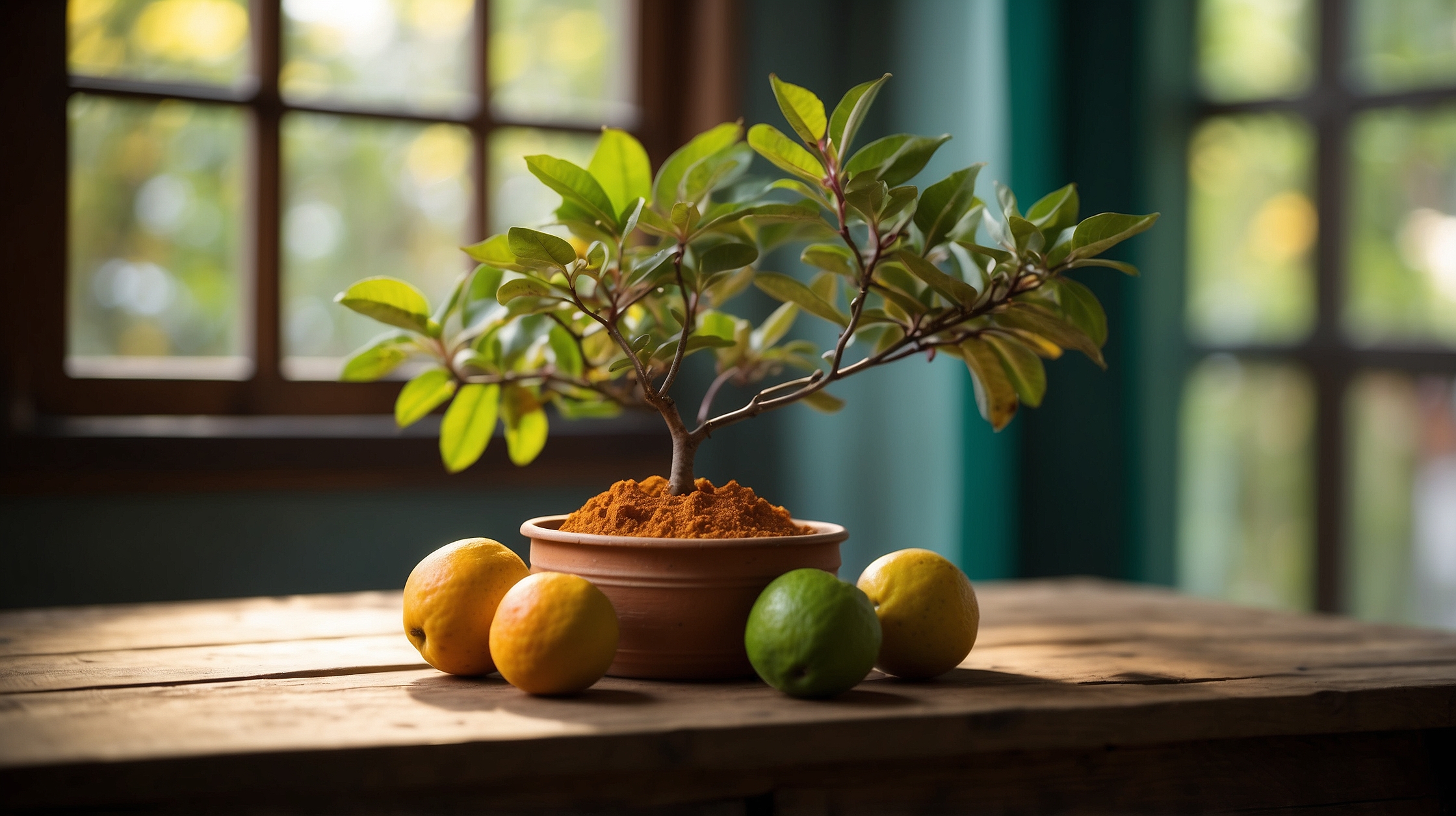
For many passionate gardeners, curating an exotic indoor or patio plant collection provides both fulfillment and beauty. Among the rarest but increasingly trendy additions is the miniature version of a South American gem – the jabuticaba tree. With its grape-like fruits that grow directly on the trunk and glossy evergreen leaves, it’s not only eye-catching but also edible and rewarding. However, bringing this subtropical plant into a home garden – especially in a pot – comes with its own set of challenges. So, is growing a miniature jabuticaba tree at home a big mistake, or is it the smartest botanical decision you’ll make this year?
The jabuticaba (pronounced “zha-boot-ee-cah-bah”), a native to Brazil, captivates with its unusual fruiting behavior and bonsai-like trunk appeal. While its fruit popularity continues to rise among wellness enthusiasts and chefs, the slow-growing nature and specific environmental needs of the plant raise questions about its practicality as a container plant. Let’s explore the considerations, care tips, benefits, and potential pitfalls of cultivating this enchanting tree at home.
Quick overview of growing a miniature South American fruit tree
| Tree name | Miniature Jabuticaba (Plinia cauliflora) |
| Native region | Brazil, South America |
| Growth in pots | Possible but slow; requires commitment |
| Climate requirements | Subtropical to tropical; better suited for USDA zones 9-11 |
| Time to fruit | Typically 5–10 years from seed, 3–5 years from grafted plant |
| Maintenance level | Moderate to high (watering, humidity, repotting) |
| Best container practice | Use deep pot with excellent drainage and organic-rich soil |
Understanding what makes jabuticaba so unique
Unlike most fruit trees where fruits grow on branches or vines, the jabuticaba showcases a rare trait called cauliflory – meaning its fruit grows directly from the trunk. This peculiar sight is not only aesthetically fascinating but also helps conserve space when growing the tree in tighter containers.
The fruit itself resembles a dark purple grape, rich in antioxidants, vitamin C, and anti-inflammatory properties. With a sweet-tart flavor and jelly-like pulp, it’s a favorite in jams, wines, jellies, and raw snacking. However, what makes the jabuticaba stand out botanically is also what drives complexity in its care routine.
Benefits of growing jabuticaba in a container
Despite its tropical origin, jabuticaba adapts relatively well to container environments, especially when conditions mimic its native habitat. Here are a few reasons why some gardeners boldly decide to add this rare tree indoors or to their balcony garden:
- Decorative appeal: The bonsai-like shape, glossy leaves, and trunk-covered fruits make it a show-stopper.
- Health benefits: Fresh, homegrown superfruits rich in antioxidants can boost your immune system.
- Space-saving: Thanks to its slow growth, the miniature tree remains compact for years when pruned and maintained.
- Conversation piece: It’s a botanical rarity that few have seen up close, making it a great centerpiece.
The biggest challenges of container growing jabuticaba
Before you rush to buy a young jabuticaba, consider the growing pains. One of the most significant drawbacks is its extremely slow growth rate. From seed, it may take a decade to produce fruit, although a grafted plant will cut that time in half. Still, patience is more than a virtue – it’s a necessity here.
Moreover, maintaining proper humidity and watering schedules is not optional. The plant hates drying out but is also susceptible to root rot, so drainage becomes crucial. Indoor gardeners must mimic the moist, shaded forests of southern Brazil closely.
“Most jabuticaba failures indoors aren’t because of pests or disease – they’re due to impatience and over- or under-watering.”
— Carla Mendes, Tropical Horticulturist
How to set up your miniature jabuticaba tree for success
For a fruitful and thriving jabuticaba, attention to detail is essential. Here is the step-by-step for those willing to commit:
- Choose a grafted plant from a reputable seller. This ensures faster fruiting and genetic reliability.
- Select a deep, wide container with excellent drainage holes to facilitate root growth and prevent stagnation.
- Use loamy, organic-rich soil amended with compost and a bit of perlite for lightness.
- Place it in a bright spot that receives indirect sunlight, avoiding harsh afternoon rays.
- Maintain high humidity using a pebble tray or humidifier, especially indoors or during winter.
- Water frequently but lightly, keeping the soil consistently moist but never soggy.
- Feed monthly during spring and summer with a balanced liquid fertilizer.
“Container-grown jabuticaba requires a rhythm – it’s almost meditative. If you love plant rituals, this tree is for you.”
— Marina Oliviera, Botanical Educator
Common mistakes to avoid with jabuticaba in pots
Even experienced plant parents make false steps with this exotic tree. Here are the most frequent slip-ups:
- Using small containers: Restriction hampers root and eventual fruit development.
- Inconsistent watering: Allowing soil to dry out even occasionally could stress or kill the tree.
- Low humidity: A dry indoor climate causes leaf curl or drop, especially during winter.
- Overfertilization: Too much nitrogen can promote foliage at the cost of flowering.
Who is best suited for growing jabuticaba at home?
This tree isn’t for the impatient or beginner gardeners seeking instant gratification. Rather, it suits:
- Dedicated hobbyists who love nurturing bonsai-type trees
- Urban gardeners with a balcony or sunroom
- Collectors of rare edible plants
- Health-focused gardeners seeking fresh superfruits
When signs point to success
After a few patient years of care, flowering begins. Tiny white blossoms erupt directly from the trunk and branches. This milestone signals health, maturity, and upcoming fruit yields. Once pollinated—typically secured by indoor hand-pollination or natural insects outdoors—small green fruits form, later turning purple as they ripen.
Fruiting seasons vary depending on climate, but two harvests per year are common in healthy trees. The reward? Succulent, grape-sized fruits you can enjoy from your patio container.
Winners and losers in growing jabuticaba at home
| Winners | Losers |
|---|---|
| Patient, detail-oriented gardeners | Beginners seeking quick results |
| Urban plant collectors looking for rare trees | Low-humidity or dry-climate homes without humidifiers |
| People who enjoy indoor gardening rituals | Those who forget regular watering schedules |
Short FAQs about growing a miniature jabuticaba at home
How long does it take for a container-grown jabuticaba to bear fruit?
From seed, it may take 8–10 years. Grafted trees bear fruit in 3–5 years.
Can I grow jabuticaba indoors year-round?
Yes, if you maintain adequate humidity, temperature, and light indoors or use grow lights.
Does jabuticaba require pollination?
Yes, although it’s self-pollinating, better yield occurs with insect pollination or hand-pollination indoors.
Is jabuticaba tree safe around kids and pets?
Yes, the fruit is edible and non-toxic to kids and pets.
How often should I prune a container jabuticaba tree?
Light pruning can be done annually after fruiting to maintain shape and encourage airflow.
What fertilizer is best for jabuticaba?
Use a balanced liquid fertilizer monthly in growing seasons, and reduce in winter.
Is the tree deciduous or evergreen?
Jabuticaba is an evergreen tree and retains leaves year-round under the right conditions.
Can conditions in zone 8 support it outdoors?
Only with protection or greenhouse. It’s best grown in USDA zones 9–11 or indoors in cooler climates.


