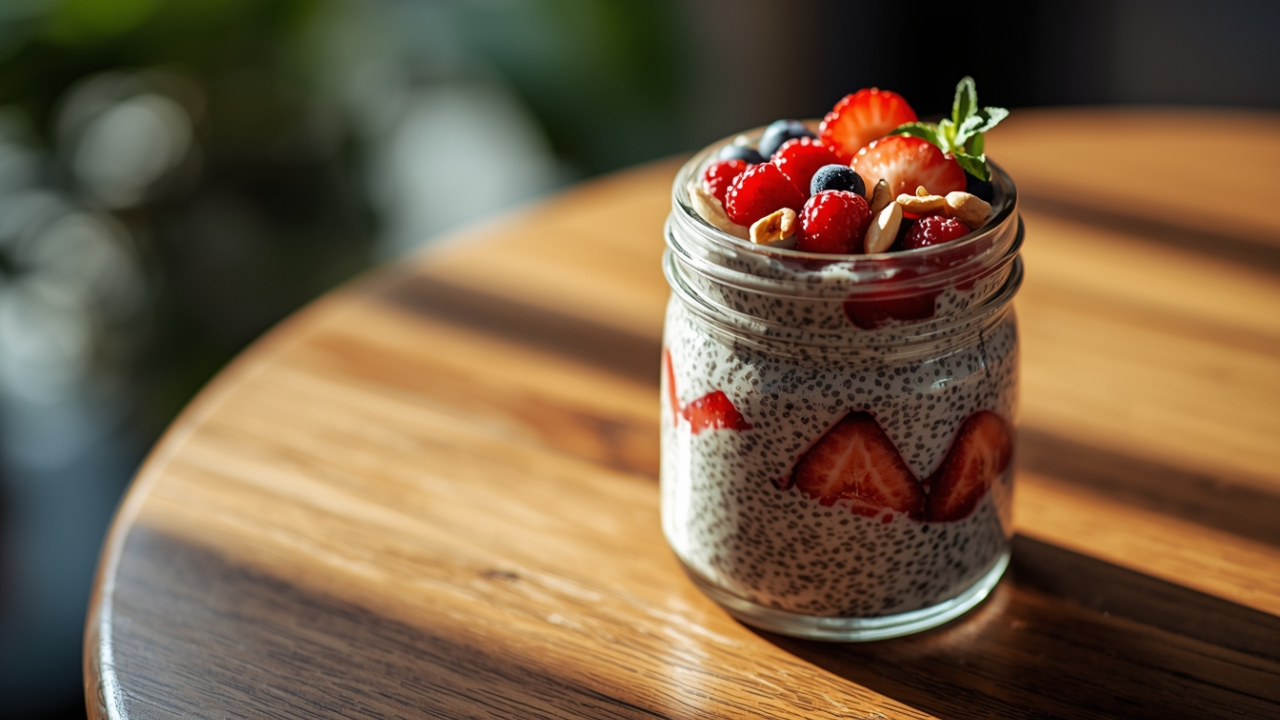
The café was buzzing with quiet conversations and clinking cups when a woman at the corner table slowly stirred a glass jar filled with thick, grey chia pudding. She adjusted the spoon carefully, lifted her phone, and snapped three photos before finally tasting it. The caption she typed read, “Brain food. Appetite control. Anti-inflammation magic.”
At the table beside her, a gym enthusiast scrolling through social media glanced at a similar post, sighed, and muttered, “Chia seeds again. Every year there’s a new miracle food.”
Two people. One tiny seed. Completely different opinions.
Chia seeds have become one of the most talked-about foods in modern wellness culture. Some nutrition experts describe them as a powerful support tool for controlling appetite and reducing inflammation. Others believe they are simply another health trend fueled by clever marketing and social media hype.
The truth, as always in nutrition science, sits somewhere between enthusiasm and caution.
Why Chia Seeds Suddenly Became the Star of Healthy Eating
Chia seeds were once considered an ancient staple used by early civilizations, but in recent years, they have exploded in popularity. Scroll through social media platforms, and you’ll find chia appearing in smoothies, overnight puddings, detox drinks, protein bowls, and even baked goods.
The newest claim surrounding chia seeds is not just about fiber or weight loss. Instead, influencers and wellness advocates suggest that chia seeds may help regulate appetite by influencing communication between the gut and the brain. This idea has attracted attention from individuals looking for natural ways to manage cravings and maintain energy levels throughout the day.
The concept is appealing. Imagine reducing hunger naturally without restrictive dieting or constant calorie counting. This promise has helped chia seeds gain a strong reputation as a smart, convenient superfood.
What Science Actually Says About Appetite Control
Several small scientific studies have explored how chia seeds affect hunger and fullness. Some research suggests that consuming chia seeds before meals may increase feelings of satiety, meaning individuals feel full for longer periods and may consume fewer calories later in the day.
However, these studies do not suggest that chia seeds directly “control” the brain or eliminate hunger signals. Instead, their effects are linked to how the seeds interact with digestion.
Chia seeds absorb water rapidly and expand to form a gel-like texture. This gel slows down how quickly food moves through the digestive system. When digestion slows, the body has more time to release hormones that signal fullness to the brain. As a result, people may feel satisfied for longer after eating.
In addition to fiber, chia seeds contain omega-3 fatty acids, plant proteins, and essential amino acids that may support overall metabolic balance. They also influence gut bacteria, which play a growing role in regulating appetite and mood.
This process is not instant or dramatic. It is a gradual biological response that unfolds over time, rather than a quick fix.
The Role of Chia Seeds in Managing Inflammation
Inflammation is a natural immune response that helps the body heal injuries and fight infections. However, chronic low-grade inflammation is linked to several modern health concerns, including heart disease, obesity, and metabolic disorders.
Chia seeds contain plant-based omega-3 fatty acids, antioxidants, and soluble fiber, all of which may contribute to reducing inflammation. These nutrients help stabilize blood sugar levels and support beneficial gut bacteria that produce compounds known to reduce inflammatory responses.
Some research indicates that individuals who include chia seeds as part of a balanced diet may experience modest improvements in inflammatory markers. However, experts emphasize that chia seeds alone cannot reverse inflammation caused by poor diet, lack of physical activity, or chronic stress.
Why Some Experts Remain Skeptical
Despite promising nutritional properties, many dietitians and nutrition scientists warn against labeling chia seeds as miracle foods. They highlight that social media often exaggerates scientific findings, presenting complex biological effects as simple, guaranteed results.
Another concern is that people sometimes rely on chia seeds while ignoring overall dietary habits. Adding chia seeds to highly processed or sugary meals may not provide noticeable benefits. Nutrition experts stress that chia works best when included within a balanced diet rich in whole foods, proteins, and healthy fats.
Some individuals also dislike the texture of soaked chia seeds, which can limit consistency in consumption. Since nutritional benefits often require regular intake, personal preference plays an important role in whether chia seeds become a long-term habit.
How to Use Chia Seeds Effectively
For individuals interested in trying chia seeds, experts recommend starting with simple and practical preparation methods. The most effective way to consume chia seeds is by soaking them in water or milk for at least 15 to 20 minutes. This allows the seeds to expand and form a gel that supports digestion and satiety.
Most nutrition professionals suggest consuming one to two tablespoons per day. Chia seeds can be added to yogurt, oatmeal, smoothies, or desserts made with fruits and nuts. They can also be stirred into soups or porridge to enhance fiber content and slow digestion.
Eating dry chia seeds without soaking is generally discouraged because they can absorb liquid rapidly and cause discomfort if consumed without adequate hydration.
Understanding Individual Differences
Not everyone experiences the same benefits from chia seeds. Some individuals notice improved appetite control, steady energy levels, and reduced snacking habits. Others may find the effects subtle or unnoticeable.
These differences highlight the complexity of human metabolism. Factors such as lifestyle habits, gut microbiome composition, physical activity, and sleep quality all influence how the body responds to dietary changes.
Nutrition experts encourage individuals to observe their own hunger patterns and energy levels rather than relying solely on external claims.
Superfood or Just Another Health Trend?
When viewed realistically, chia seeds are neither magical nor meaningless. They are nutrient-dense foods that can support appetite regulation and inflammation management when used consistently within a healthy lifestyle.
The problem arises when they are marketed as quick solutions for complex health challenges. No single ingredient can replace balanced nutrition, regular exercise, stress management, and adequate sleep.
For some people, chia seeds become a valuable addition to daily meals. For others, they may remain just another wellness experiment. Both outcomes are valid, and personal experience often determines long-term dietary choices.
Conclusion
Chia seeds have earned their reputation as a nutritious and versatile food, offering fiber, omega-3 fatty acids, antioxidants, and plant proteins that support digestive health and appetite balance. While early research suggests they may help regulate hunger and reduce inflammation, these effects are gradual and depend heavily on overall lifestyle habits.
Rather than viewing chia seeds as miracle solutions or dismissing them as overhyped trends, individuals can treat them as supportive nutritional tools. Incorporating them into balanced meals, maintaining hydration, and focusing on consistent healthy routines can help maximize their potential benefits.
Ultimately, chia seeds represent a reminder that sustainable health improvements rarely come from a single food. Instead, they grow from daily choices that work together to support long-term well-being.