
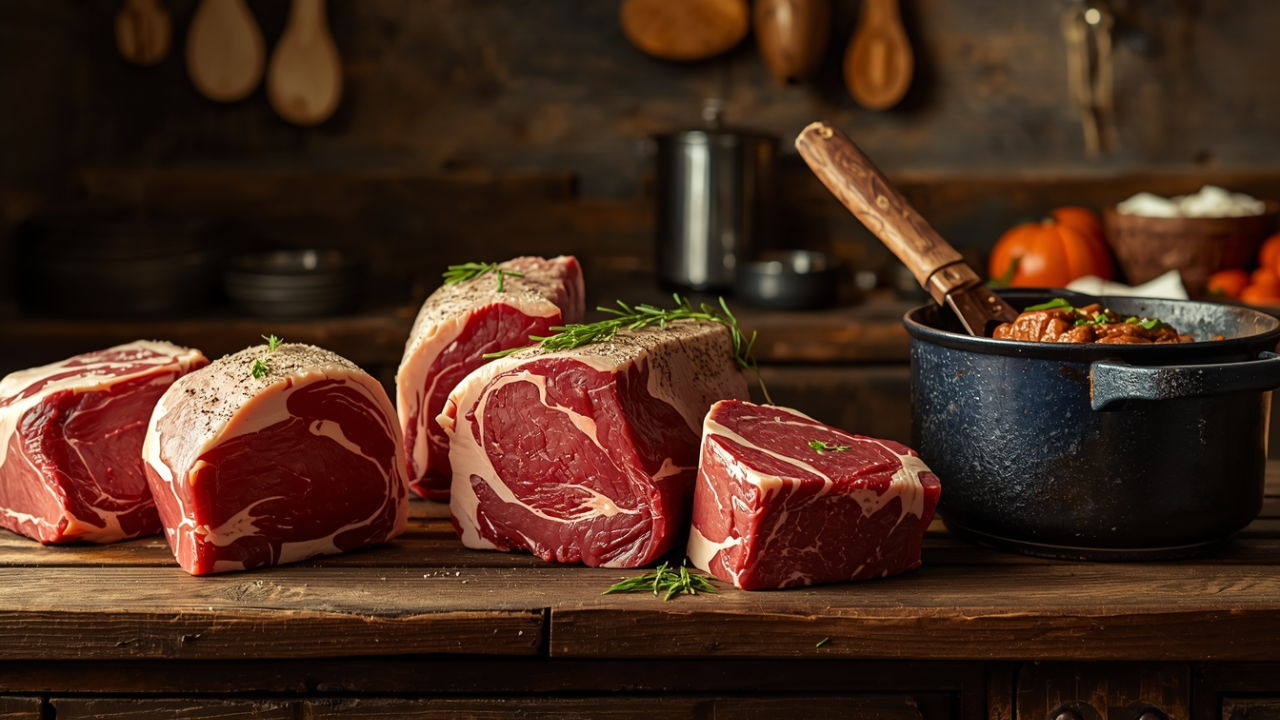
Cheap imported beef from South America is dominating food headlines across Europe. The arrival of discounted beef linked to the Mercosur trade agreement has sparked debate among farmers, policymakers and shoppers alike. While imported beef may seem like an easy way to cut grocery bills, professional butchers suggest there is a smarter and often tastier alternative.
Instead of switching to cheaper imported premium steaks, many chefs and butchers recommend choosing lesser-known secondary cuts from local beef. This simple change can dramatically reduce the cost of slow-cooked meals while preserving quality, flavour and traceability.
What Mercosur Beef Means for European Consumers
The Mercosur trade bloc includes South American countries such as Argentina, Brazil, Paraguay and Uruguay. Under trade agreements with the European Union, these countries can export significant quantities of beef with reduced tariffs.
In 2023 alone, nearly 200,000 tonnes of Mercosur beef entered European markets. Proposed trade expansions could add roughly another 100,000 tonnes annually. Most of these imports focus on high-value steak cuts like:
- Sirloin
- Ribeye
- Rump
- Striploin
These imported premium cuts can sometimes be 20–30% cheaper than comparable European steaks due to lower production costs and cheaper agricultural land.
However, much of this imported beef is directed toward restaurants, catering industries and processed foods rather than local butcher counters. For everyday home cooking, particularly slow-cooked dishes, steak cuts are rarely the best or most economical choice.
The Butcher’s Secret: Secondary Cuts Deliver Better Value
Traditional French butchery classifies beef into different categories. Premium steaks sit at the top, but secondary cuts — known as bas morceaux — are often the hidden stars of slow cooking.
Some of the most recommended affordable cuts include:
- Chuck (Paleron) – Richly marbled and ideal for braising
- Beef Shank (Jarret or Gîte) – Full of connective tissue and marrow
- Beef Cheek (Joue) – Extremely tender after slow cooking
- Shoulder Clod (Macreuse) – Lean but flavourful when simmered
These cuts are usually cheaper because they contain more connective tissue and require longer cooking. However, this connective tissue is precisely what creates exceptional texture and flavour.
Why Cheaper Cuts Taste Better in Stews
The secret lies in collagen — a structural protein found in heavily used muscles such as shoulders and legs. Secondary cuts often contain 15–20% collagen, compared with less than 5% in premium steaks.
When cooked slowly at temperatures between 70°C and 85°C, collagen breaks down into gelatine. This process produces:
- Tender meat that falls apart easily
- Naturally thickened sauces
- Deep, rich flavour
- Moist texture without additional fat
Ironically, luxury steak cuts often produce inferior results in stews because they lack enough collagen to enrich sauces.
How This Trick Can Cut Your Meat Budget in Half
Premium steak cuts from quality local beef frequently cost nearly double the price per kilogram compared to secondary cuts. When preparing stews, both cuts are typically cubed and cooked slowly, making expensive steak unnecessary.
Cost Comparison Example
| Beef Cut | Typical Use | Price Level | Cooking Style |
|---|---|---|---|
| Sirloin / Ribeye | Grilled steak | High | Fast cooking |
| Chuck | Stews, chilli | Medium | Slow braise |
| Beef Shank | Broths, pot-au-feu | Low | Long simmer |
| Beef Cheek | Rich braises | Low to medium | Very slow cooking |
By switching from premium steak to chuck or shank, households can often reduce the cost of meat dishes by nearly 50% without sacrificing quality.
Choosing the Right Cut for Each Dish
For Beef Bourguignon
Chuck and shoulder clod work best. Their balanced fat and collagen content ensures tender meat that holds shape after hours of cooking.
For Broths and Pot-au-Feu
Beef shank and knuckle release gelatine into cooking liquid, creating rich and silky stock.
For Deep Flavoured Braises
Beef cheek excels in dishes such as daube or beer-based stews. Although tough initially, it becomes extremely tender when slow cooked.
When visiting a butcher, explaining your cooking method and time allows them to recommend the most suitable cut.
The Cooking Technique That Makes the Difference
Selecting the right cut is only half the process. Cooking method determines whether secondary cuts reach their full potential.
Many home cooks mistakenly boil stews at high temperatures. Strong boiling tightens muscle fibres, making meat dry and tough.
Ideal Slow Cooking Approach
- Maintain gentle simmering between 85°C and 95°C
- Allow at least 2–3 hours of cooking
- Avoid rapid boiling
- Rest stews overnight for improved flavour and texture
Professional chefs often prepare stews a day in advance. Cooling and reheating allows flavours to blend and improves sauce consistency.
Why Some Consumers Still Consider Imported Beef
Despite the benefits of secondary local cuts, imported beef continues to attract buyers due to lower prices and availability. However, consumers often weigh additional factors:
- Traceability: Local beef usually offers clearer origin tracking
- Environmental Concerns: Long-distance transport and deforestation issues influence some buyers
- Animal Welfare Standards: Regulations differ between regions
Secondary cuts from local beef allow shoppers to maintain trusted standards while reducing costs.
Understanding Collagen and Gelatine in Cooking
Collagen is the protein responsible for structural support in muscle tissue. During slow cooking, collagen transforms into gelatine — a natural thickening agent that enriches sauces and broths.
Gelatine helps retain moisture, improves mouthfeel and creates the silky texture associated with premium slow-cooked dishes. This transformation explains why inexpensive cuts often outperform expensive steaks in casseroles.
A Practical Household Budget Scenario
Consider a family preparing a traditional weekend stew for four people. Using premium steak cuts can significantly increase the total meal cost. By switching to chuck or shank while maintaining the same portion sizes, families can reduce the cost dramatically.
Adding vegetables such as carrots, onions and mushrooms further stretches the dish while enhancing flavour and nutritional balance.
Over several weeks, regularly choosing secondary cuts can lead to noticeable savings without sacrificing meal quality.
The Smarter Way to Save on Beef Without Sacrificing Quality
The debate over imported Mercosur beef highlights larger economic and agricultural concerns. However, for everyday cooking, the most effective cost-saving strategy may already exist at local butcher counters.
Secondary beef cuts provide:
- Lower cost per kilogram
- Superior texture for slow cooking
- Richer natural flavour
- Support for local farming industries
By matching the right cut to the right cooking technique, home cooks can create restaurant-quality meals while significantly reducing grocery expenses.
Sometimes, the best way to save money isn’t changing where your meat comes from — it’s simply changing which part of the animal you choose.


