
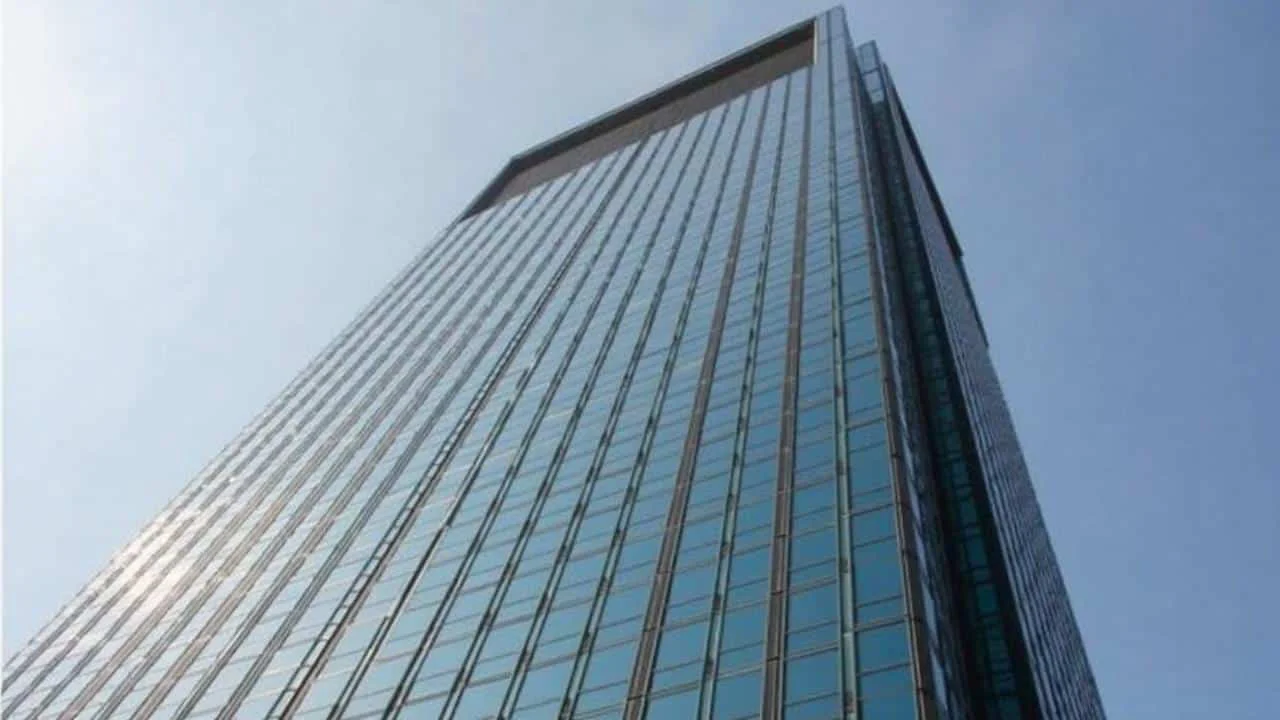
Li Wei’s phone screen lit up with another order as he stood in the marble lobby of Shanghai Tower, China’s second-tallest building. “Floor 118, Conference Room B,” the notification read. He glanced at his insulated delivery bag, then at the elevator banks stretching endlessly upward. Three years ago, delivering food meant racing through city streets on his electric scooter. Now, half his job happened vertically.
“Twenty minutes up, twenty minutes down,” he muttered, joining the queue of other delivery workers clutching thermal bags. Around him, office workers checked their phones impatiently, but Li Wei knew something they didn’t: getting lunch to the top floors of China’s mega-towers had become its own specialized profession.
Welcome to the world of meal delivery skyscrapers, where feeding people has turned into a vertical expedition that requires its own team of specialists.
When Your Office Is Literally Above the Clouds
China’s urban skyline tells the story of a country that builds upward at breakneck speed. Shanghai alone has over 140 buildings taller than 200 meters, while Shenzhen boasts nearly 100. But as these glass giants pierce the sky, they’ve created an unexpected challenge: how do you feed thousands of workers whose offices sit higher than most airplanes fly?
Traditional food delivery stops making sense when “downstairs” means a 45-minute round trip. Office workers on the 90th floor of Guangzhou’s CTF Finance Centre can’t just pop out for lunch. The elevator ride alone takes 15 minutes, and that’s assuming they don’t hit the inevitable bottleneck around noon.
“We started noticing delivery riders spending more time in our building than actually delivering,” explains Chen Ming, a property manager at one of Beijing’s tallest towers. “Some were taking an hour just to reach the top floors and come back down.”
The solution? A completely new category of delivery worker emerged: vertical specialists who focus exclusively on meal delivery skyscrapers. These aren’t your typical scooter riders weaving through traffic. They’re elevator experts, security checkpoint navigators, and human GPS systems for buildings that stretch into the clouds.
The New Rules of Sky-High Food Delivery
Inside China’s tallest buildings, delivering food has evolved into something resembling a military operation. Here’s how the system actually works:
- Ground-level handoffs: Regular delivery riders drop orders at designated collection points in building lobbies
- Security clearance: Vertical couriers scan QR codes, register visitor badges, and pass through security checkpoints
- Elevator zones: Different banks serve different floor ranges, requiring intimate knowledge of building layouts
- Sky lobbies: Transfer points on high floors where orders get sorted by destination
- Access card systems: Many floors require tenant escorts or special authorization
Major delivery platforms like Meituan and Ele.me now employ thousands of these vertical specialists across China’s biggest cities. They’re paid premium rates because their job requires skills no app can teach: reading building politics, timing elevator rushes, and memorizing the quirks of dozens of different towers.
| City | Buildings Over 300m | Estimated Vertical Couriers | Average Delivery Time (Top Floors) |
|---|---|---|---|
| Shanghai | 8 | 2,400 | 35-45 minutes |
| Shenzhen | 7 | 2,100 | 30-40 minutes |
| Beijing | 4 | 1,500 | 40-50 minutes |
| Guangzhou | 5 | 1,800 | 35-45 minutes |
The Human Side of Vertical Commerce
For workers like Zhang Hua, who delivers to the upper floors of Tianjin’s Goldin Finance 117, the job demands physical and mental endurance that regular delivery work doesn’t require. “Some days I climb the equivalent of Mount Everest,” he jokes, checking his fitness tracker after a particularly busy lunch shift.
The physical demands are real. Even with express elevators, these couriers spend hours each day in vertical transit. Their legs ache from standing, their arms burn from carrying heavy bags, and their patience gets tested by security guards and elevator delays.
But the pay reflects the complexity. Vertical couriers in meal delivery skyscrapers can earn 40-60% more than street-level delivery workers. Platform companies add surcharges for high-floor deliveries, and customers often tip generously when they realize the effort involved.
“People don’t understand until you explain it,” says Wang Lu, who specializes in deliveries above the 80th floor in Shanghai’s financial district. “They think it’s just like delivering to a house. But when I tell them I need three different access cards and two elevator transfers just to reach their office, they get it.”
Technology Tries to Keep Up
Delivery platforms are scrambling to optimize this vertical challenge. New features include building-specific interfaces, floor-by-floor tracking, and AI systems that predict elevator wait times during peak hours.
Some towers have installed dedicated freight elevators for deliveries, while others created “food courts in the sky” – restaurants that operate directly on upper floors to eliminate the delivery problem entirely.
But technology can only solve so much. “You still need someone who knows that elevator bank C doesn’t work after 2 PM, or that the security guard on floor 65 always asks for two forms of ID,” explains Liu Xiaoli, a logistics coordinator for one of China’s major delivery apps.
The rise of meal delivery skyscrapers represents something larger: how China’s rapid urbanization creates jobs that didn’t exist five years ago. As cities continue building upward, entire professions emerge to serve the people working in the clouds.
FAQs
How much do vertical delivery couriers earn compared to regular delivery workers?
They typically earn 40-60% more due to the specialized skills and time required for high-rise deliveries.
What’s the tallest building these couriers deliver to in China?
Regular deliveries go up to the 118th floor of Shanghai Tower, though some specialized services reach even higher floors.
How long does it take to deliver food to the top floors of a mega-tower?
Depending on the building and security procedures, deliveries to floors above 100 typically take 35-50 minutes round trip.
Do all tall buildings in China use vertical delivery specialists?
Most buildings over 60 floors have some form of specialized delivery system, though the exact setup varies by building management.
Are there special training programs for these vertical couriers?
While formal training is rare, many companies provide building-specific orientation sessions covering security procedures, elevator systems, and emergency protocols.
Will robots eventually replace vertical delivery couriers?
Some buildings are testing delivery robots, but complex security systems, multiple elevator transfers, and access restrictions make human couriers essential for now.


