
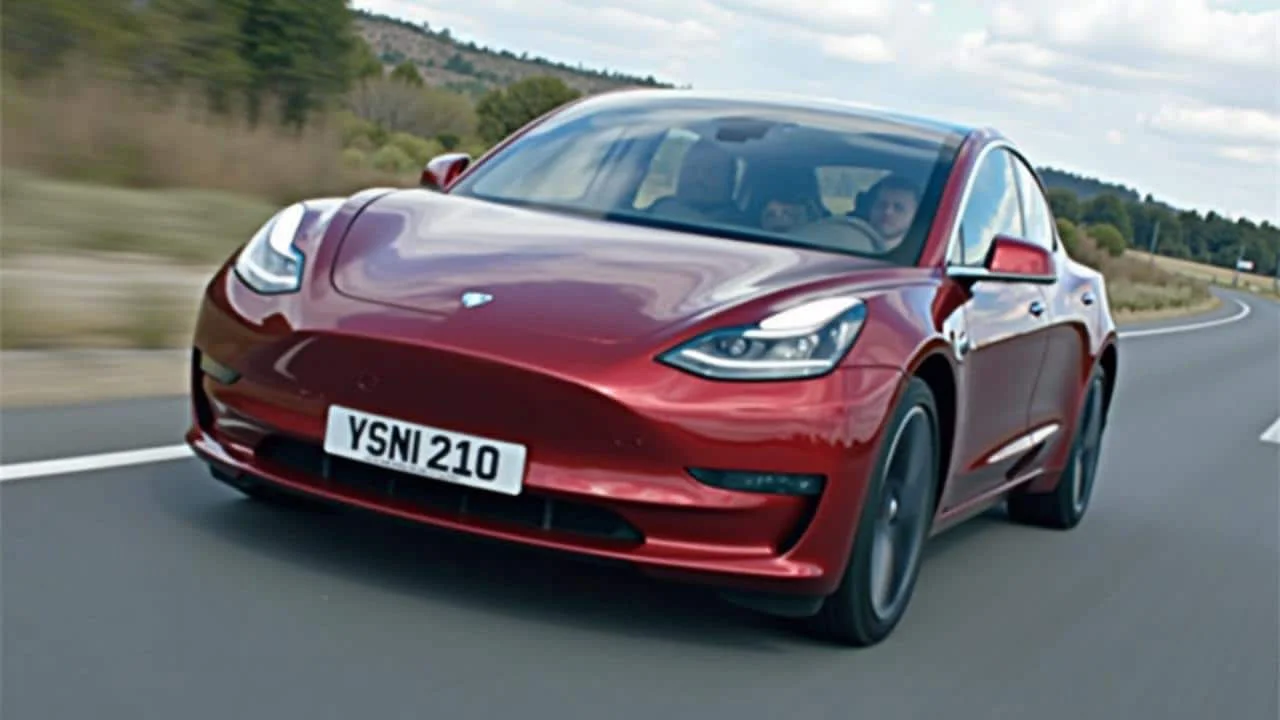
Sarah pulled into her driveway last Tuesday evening, still buzzing from the dealership visit. She’d spent two hours test-driving the latest electric SUV from what she’d always considered “the safe choice” brand. Her parents had driven their cars for decades without a single major breakdown. When this company talked electric, she listened.
But something felt off during the sales pitch. The salesperson kept steering the conversation toward hybrids. “Great backup option,” he’d said with a knowing smile. “Just in case.” Sarah brushed it off as typical sales hedging. She had no idea that behind those polished showroom doors, executives were already drafting memos that would change everything.
Three days later, the news broke. One of the world’s most trusted automotive brands had quietly admitted what industry insiders had been whispering for months: electric cars are not their primary focus after all.
The moment a trusted giant hit the brakes on electric dreams
The announcement came during what should have been a routine investor briefing. No dramatic stage presentation, no flashy graphics about the future of mobility. Just a simple slide that made journalists do double-takes: “Strategic priority: hybrids and combustion engines for the long term.”
This wasn’t some startup pivoting to save face. This was a household name, the kind of brand your grandmother trusted, your mechanic recommended, and your insurance company gave discounts for owning. When they talk, the entire automotive industry listens.
“We’re seeing a significant recalibration across the industry,” explains automotive analyst Jennifer Martinez. “Companies are realizing that the transition to electric isn’t happening as quickly or as smoothly as the headlines suggested.”
The shift became obvious when you looked at the numbers. Electric vehicle inventories were piling up on dealer lots across Europe and North America. Some premium electric SUVs were sitting unsold for over 100 days, while hybrid models continued flying off the lots.
Internal data revealed the harsh truth: profit margins on certain electric models had shrunk to almost nothing, while traditional hybrid crossovers remained the reliable money-makers keeping dealerships afloat.
What the numbers actually tell us about electric cars today
The reality behind the electric vehicle market tells a more complex story than most headlines suggest. Here’s what the data reveals about where things actually stand:
| Market Segment | Average Days on Lot | Profit Margin | Consumer Interest Level |
|---|---|---|---|
| Pure Electric SUVs | 95 days | 2-4% | Declining |
| Hybrid Crossovers | 31 days | 12-18% | Strong |
| Traditional Gasoline | 28 days | 8-14% | Stable |
| Plug-in Hybrids | 42 days | 6-10% | Growing |
The challenges facing electric cars go beyond simple consumer preference:
- Charging infrastructure remains patchy in many regions
- Battery costs haven’t dropped as rapidly as predicted
- Supply chain disruptions affect rare earth materials
- Software integration requires constant updates and fixes
- Manufacturing retooling costs exceed initial projections
- Competition from Chinese manufacturers drives prices down
“The infrastructure just isn’t ready in most places,” notes fleet management expert Robert Chen. “Companies are realizing they need bridge technologies while the charging network catches up to demand.”
How this changes your next car-buying decision
If you’re like Sarah, planning your next vehicle purchase, this shift opens up options you might have written off. The pressure to “go full electric or stay behind” is lifting, replaced by a more nuanced understanding of what actually works for real families.
Hybrid technology has quietly become incredibly sophisticated. Modern hybrids offer most of the fuel efficiency benefits of electric cars without the range anxiety or charging hassles. Some plug-in hybrids can handle your daily commute on electric power alone, then switch to gas for longer trips.
“Consumers are getting smarter about their actual driving needs,” explains automotive journalist Lisa Park. “They’re realizing that a hybrid might give them 90% of the benefits with 50% of the complexity.”
Even traditional gasoline engines have become remarkably efficient. The latest generation of small-displacement turbocharged engines can achieve fuel economy that seemed impossible just five years ago.
For many buyers, this means reassessing priorities:
- Do you really need 300+ miles of electric range, or would 50 electric miles plus gas backup work better?
- Is saving $15,000 on a hybrid worth more than the prestige of driving fully electric?
- Would reliable, proven technology serve your family better than cutting-edge features?
- Does your daily driving pattern actually benefit from electric power?
What this means for the future of transportation
This strategic shift doesn’t spell doom for electric cars. Instead, it suggests a more realistic timeline for widespread adoption. The automotive industry is acknowledging that the transition will happen in phases rather than overnight.
Regional differences play a huge role. While California and Norway race toward electric futures, vast portions of the United States and developing markets still lack adequate charging infrastructure. Smart manufacturers are adapting their strategies to match these realities.
“We’re seeing a return to engineering pragmatism,” observes powertrain specialist David Kumar. “Companies are focusing on solutions that work for customers today, not just the vision of tomorrow.”
This approach might actually accelerate the overall transition to cleaner transportation. By making hybrids and efficient combustion engines the bridge, manufacturers can maintain profitability while continuing to develop better electric technology.
The next few years will likely see:
- Continued improvement in hybrid efficiency and performance
- More affordable plug-in hybrid options
- Better integration between electric and gasoline systems
- Gradual expansion of charging networks in underserved areas
- More realistic timelines for full electric adoption
For consumers, this creates a window of opportunity. You’re no longer forced to choose between an expensive, potentially problematic electric car or feeling guilty about environmental impact. The middle ground has become not just acceptable, but smart.
Sarah eventually bought that hybrid SUV the salesperson kept mentioning. Six months later, she’s averaging 47 miles per gallon, never worries about finding charging stations, and saved enough money for a family vacation. Sometimes the most revolutionary choice is the most practical one.
FAQs
Does this mean electric cars are a failed technology?
Not at all. Electric cars work great for many people, but the industry is realizing adoption will be gradual rather than sudden. The technology continues improving.
Should I avoid buying an electric car right now?
If an electric car fits your driving needs and budget, it can still be a great choice. Just don’t feel pressured to go electric if a hybrid makes more sense for your situation.
Are hybrids really better than electric cars?
Neither is universally better. Hybrids offer more flexibility and lower costs, while electric cars provide zero local emissions and lower operating costs if you can charge at home.
Will this delay the transition away from fossil fuels?
It might actually help by making cleaner vehicles more accessible to mainstream buyers. A hybrid that people actually buy does more good than an electric car that sits on the lot.
What should I look for when shopping for my next car?
Focus on your actual driving patterns, budget, and local infrastructure. Don’t get caught up in what’s trendy – choose what works best for your real-world needs.
Is this just one company’s decision or an industry trend?
Multiple manufacturers are quietly adjusting their electric vehicle timelines and increasing focus on hybrid technology. This appears to be a broader industry recalibration.


