
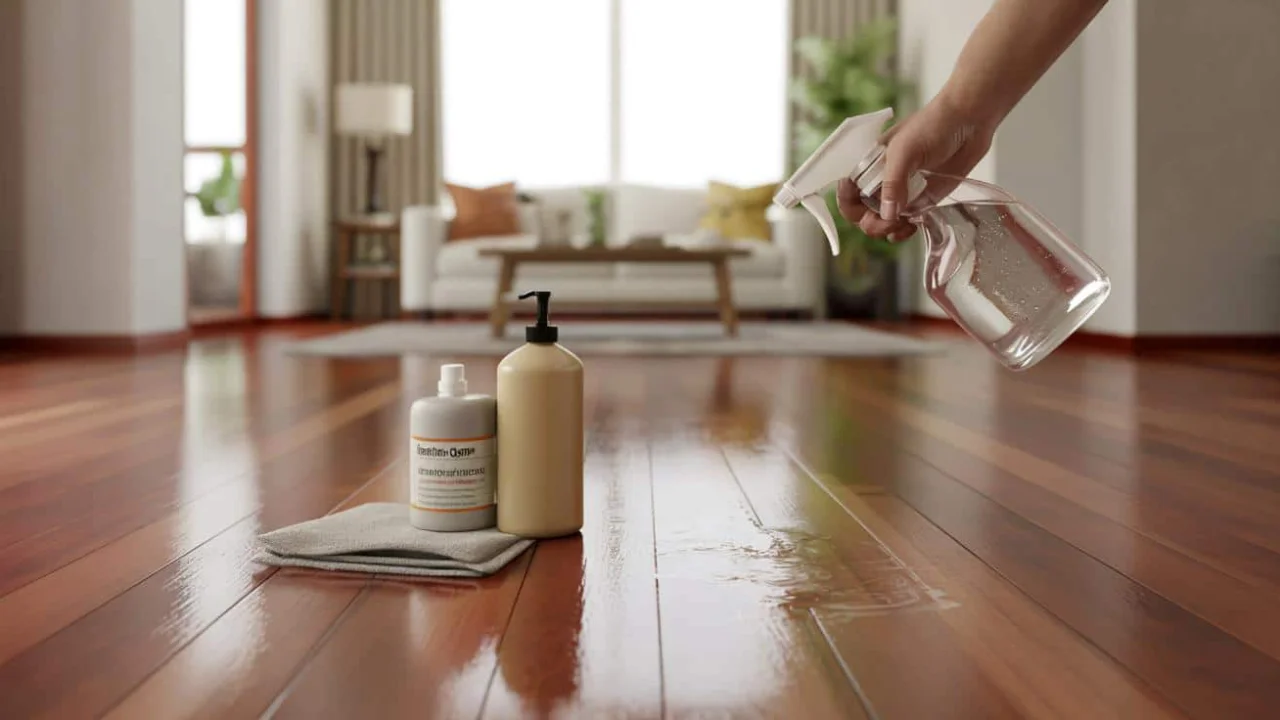
Last Tuesday, I walked into my sister’s living room and stopped mid-sentence. Her beautiful oak floors, the ones she’d spent a small fortune installing three years ago, looked exhausted. They had that flat, lifeless quality that makes even expensive hardwood look cheap.
“I’ve tried everything,” she said, following my gaze. “Vinegar solutions, fancy wax products, those expensive cleaners from the hardware store. Nothing brings back that hardwood floor shine anymore.”
Twenty minutes later, her neighbor Mrs. Chen knocked on the door with a borrowed measuring cup. She took one look at the floors, laughed softly, and said, “Oh honey, you’re working too hard.” What she showed us next changed everything we thought we knew about floor care.
Why popular cleaning methods are stealing your floor’s natural glow
Walk down any cleaning aisle and you’ll find dozens of products promising to restore hardwood floor shine. The internet overflows with DIY recipes mixing vinegar, essential oils, and various soaps. Most of these solutions share one tragic flaw: they’re slowly destroying the very thing they promise to protect.
Vinegar has become the darling of natural cleaning enthusiasts, and for good reason in many applications. But hardwood floors aren’t one of them. Despite what social media influencers claim, vinegar’s acidity gradually breaks down polyurethane finishes. Each cleaning session strips away microscopic layers of protection.
“I see this damage constantly,” explains Maria Rodriguez, a flooring restoration specialist with fifteen years of experience. “People think they’re being gentle with natural products, but they’re actually creating more work for themselves down the road.”
Wax creates a different nightmare. It appears to restore hardwood floor shine initially, but quickly becomes a dirt magnet. Layers build up unevenly, creating cloudy patches and sticky areas that trap dust and pet hair. Removing built-up wax requires harsh solvents or professional stripping.
Commercial floor cleaners often contain harsh detergents, synthetic fragrances, and chemical brighteners that leave residue. This residue acts like a film, scattering light instead of reflecting it cleanly. Your floors end up looking perpetually dirty, even minutes after cleaning.
The surprisingly simple solution hiding in your medicine cabinet
Mrs. Chen’s secret weapon wasn’t exotic or expensive. She mixed three simple ingredients that most people already own:
- 70% isopropyl alcohol (rubbing alcohol)
- Distilled water
- A tiny amount of gentle dish soap
The magic happens because alcohol evaporates completely, leaving zero residue. It cuts through existing buildup without damaging wood finishes. The small amount of dish soap helps lift dirt and oils, while distilled water prevents mineral deposits from tap water.
Here’s the exact recipe that transformed my sister’s floors:
| Ingredient | Amount | Purpose |
|---|---|---|
| 70% Isopropyl Alcohol | 1 cup | Dissolves residue, evaporates clean |
| Distilled Water | 1 cup | Dilutes mixture, prevents mineral buildup |
| Gentle Dish Soap | 1 teaspoon | Lifts oils and dirt |
Mix these in a spray bottle, shake gently, and mop with a microfiber cloth or well-wrung mop. The difference is visible immediately, but the real magic happens over time as old residue disappears completely.
What happens when you restore natural hardwood floor shine
The transformation isn’t just cosmetic. Clean floors reflect light properly, making rooms appear brighter and more spacious. Colors look richer. Furniture seems to float rather than sit heavily on dull surfaces.
“The psychological impact surprises people,” notes interior designer James Patterson. “Clients feel like they’ve redecorated their entire space just by properly cleaning their floors.”
Beyond aesthetics, properly maintained floors last dramatically longer. Removing residue buildup prevents it from trapping abrasive dirt particles that scratch wood surfaces. Clean finishes protect against moisture damage and daily wear.
The financial benefits add up quickly. Professional floor refinishing costs $3-8 per square foot. A 500-square-foot living area might cost $2,500 to refinish. Proper cleaning extends the time between these expensive services by years.
Common mistakes that sabotage your cleaning efforts
Even with the right solution, technique matters enormously. Too much liquid can seep between boards, causing wood to swell or warp. Always use a slightly damp mop, never soaking wet.
Timing affects results too. Clean floors when natural light is available to spot missed areas immediately. Evening cleaning often misses streaks that become obvious in morning sunlight.
Many people rush the process, hoping to finish quickly. But hardwood floor shine requires patience. Work in small sections, allowing each area to dry completely before moving on. This prevents streaking and ensures even coverage.
“The biggest mistake I see is using too much product,” explains cleaning professional Linda Torres. “More isn’t better with floor care. Light, frequent cleaning beats heavy-handed monthly scrubbing every time.”
The long-term game plan for permanently gorgeous floors
This alcohol-based solution works as both a weekly cleaner and a monthly deep treatment. For daily maintenance, simply sweep or vacuum thoroughly. Address spills immediately with a barely damp cloth.
Every few months, inspect your floors in bright natural light. Look for areas where shine has diminished or where foot traffic has created dull pathways. These spots need extra attention but respond beautifully to consistent care.
Consider seasonal adjustments too. Winter often brings more dirt and salt from outdoor shoes. Summer humidity can make floors feel sticky even when clean. Adjust your cleaning frequency accordingly, but stick with the same gentle solution.
The investment in proper floor care pays dividends for decades. Well-maintained hardwood floors increase home value significantly and create daily satisfaction every time you walk across them.
FAQs
Can I use this solution on all types of hardwood floors?
Yes, this gentle mixture works safely on polyurethane-finished floors, which covers most modern installations.
How often should I clean my floors with this method?
Once weekly for high-traffic areas, every two weeks for less-used rooms.
What if my floors already have heavy wax buildup?
Start with this solution but expect several cleanings to fully remove old residue.
Is 70% alcohol better than 91% for floor cleaning?
Yes, 70% evaporates more slowly, giving it time to dissolve residue effectively.
Can I add essential oils for fragrance?
Avoid oils as they can leave residue and attract dirt over time.
Will this method work on engineered hardwood?
Absolutely, engineered floors benefit from the same residue-free cleaning approach.


