
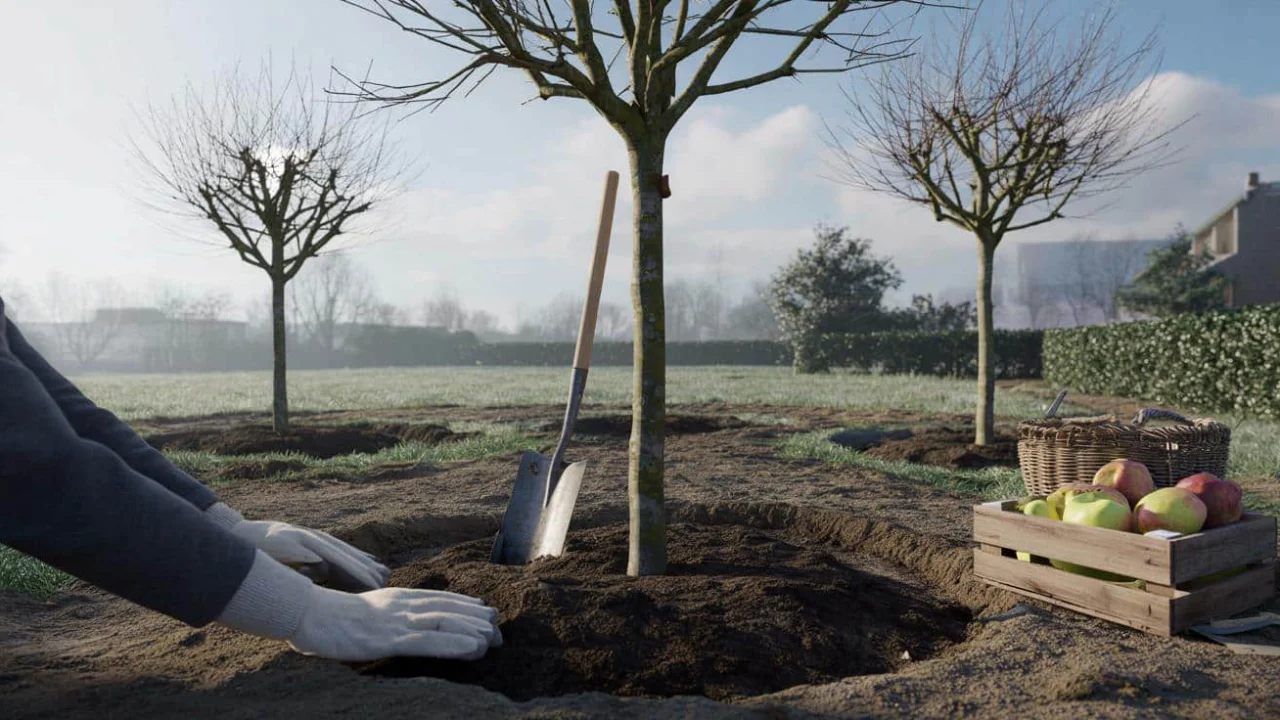
Last February, my neighbor Sarah watched me digging holes in the frozen ground while she sipped hot coffee from her kitchen window. She probably thought I’d lost my mind. Fast forward eight months, and I’m picking fresh apples from my newly planted tree while she’s still browsing nursery catalogs, planning her “spring planting project.”
That winter planting decision gave my fruit trees a massive head start. While Sarah’s spring-planted saplings struggled through their first scorching summer, my trees had already established deep root systems during those quiet winter months.
Here’s the thing most gardeners don’t realize: your future fruit basket doesn’t start in spring. It starts right now, in the coldest months of the year.
Why Smart Gardeners Plant Fruit Trees in Winter
Professional orchards have been keeping this secret for decades. While home gardeners wait for warmer weather, commercial growers know that winter planting gives fruit trees an incredible advantage.
The science is surprisingly simple. When you plant fruit trees during dormancy, their roots can establish slowly and steadily without competing with leaf and flower production. Soil temperatures above 40°F allow root growth to continue, even when the tree looks completely lifeless above ground.
“Planting fruit trees in winter is like giving them a private training session before the big game,” explains master gardener Tom Mitchell. “They get weeks or months to build their foundation before spring demands kick in.”
This approach completely changes how trees handle their first year. Instead of frantically trying to grow roots, leaves, and blossoms simultaneously, winter-planted fruit trees can focus their energy strategically.
Climate patterns are making winter planting even more practical. Milder winters across much of Europe and North America now feature longer frost-free windows, giving gardeners more opportunities to get trees in the ground.
The Three Best Fruit Trees to Plant Right Now
Not every fruit tree loves winter planting, but three varieties absolutely thrive when planted during the cold months. These champions of cold-season establishment will reward your courage with abundant harvests.
| Tree Type | Winter Hardiness | Time to First Fruit | Best Planting Window |
|---|---|---|---|
| Apple Trees | Zones 3-9 | 2-4 years | January-February |
| Pear Trees | Zones 4-9 | 3-5 years | December-February |
| Cherry Trees | Zones 4-8 | 3-6 years | January-March |
Apple Trees: The Ultimate Winter Warriors
Apple trees are practically designed for winter planting. Their hardy root systems can handle soil temperatures well below freezing, and they actually prefer a long, cold dormant period.
Choose disease-resistant varieties like Honeycrisp, Liberty, or Enterprise. These modern cultivars combine excellent winter hardiness with superior fruit quality. Dwarf rootstocks make them perfect for smaller gardens while maintaining full-sized flavor.
Pear Trees: Elegant and Resilient
European pears excel at winter establishment, often showing remarkable spring growth after cold-season planting. Varieties like Bartlett, Anjou, and Conference have proven track records in northern climates.
“I’ve planted hundreds of pear trees over thirty years, and winter-planted specimens consistently outperform spring plantings,” notes orchard specialist Maria Rodriguez. “They seem to wake up stronger and more focused.”
Asian pears also work well for winter planting, offering crisp, apple-like texture with unique flavors that store beautifully.
Cherry Trees: Sweet Rewards for Patient Gardeners
Both sweet and sour cherry trees benefit enormously from winter planting. The extended root development period helps them establish the strong foundation needed to support heavy fruit loads.
Sour varieties like Montmorency handle winter planting especially well and require no pollination partner. Sweet cherries need more careful variety selection but reward patient growers with incredible harvests.
Making Winter Planting Work in Your Garden
Success with winter fruit tree planting depends on timing and preparation. The goal is finding those perfect windows when soil is workable but trees remain fully dormant.
Key planting conditions include:
- Soil temperature above 35°F but below 45°F
- No standing water or muddy conditions
- At least 3-4 days of frost-free weather predicted
- Bare-root or container trees from reputable nurseries
- Pre-dug holes ready for quick planting
Bare-root trees work exceptionally well for winter planting because they’re already dormant and less likely to experience transplant shock. Container trees can work too, but require more careful handling in cold conditions.
Water management becomes crucial during winter months. While trees need moisture to establish roots, waterlogged soil can kill young trees faster than drought. Ensure good drainage and avoid planting in low spots where water collects.
“The biggest mistake I see is people overthinking winter planting,” says nursery owner David Chen. “Trees are tougher than we give them credit for. Plant them properly, mulch well, and let them do what comes naturally.”
Mulching plays a critical role in winter tree establishment. A 3-4 inch layer of organic mulch helps regulate soil temperature, retain moisture, and protect roots from extreme temperature swings.
What Your Future Harvest Could Look Like
Winter-planted fruit trees typically show their advantages within the first growing season. Their established root systems allow for more vigorous spring growth and better drought tolerance during hot summer months.
Year two often brings the first significant differences. While spring-planted trees are still building their root foundation, winter-planted specimens can focus energy on framework development and early fruit production.
By year three or four, the difference becomes obvious. Winter-planted apple trees often produce 20-30% more fruit than comparable spring plantings. Pear trees show even more dramatic differences, with some winter-planted specimens producing full crops a full year earlier.
The long-term benefits extend beyond just fruit production. Winter-planted fruit trees develop more balanced root systems, making them more wind-resistant and better able to handle drought stress throughout their productive lives.
FAQs
Can I plant fruit trees in frozen ground?
No, wait for soil to thaw enough that you can dig easily. Frozen soil can damage roots and make proper planting impossible.
Will winter-planted trees survive harsh cold snaps?
Yes, dormant trees are remarkably cold-hardy. Proper mulching and choosing appropriate varieties for your zone ensures survival.
Should I fertilize fruit trees planted in winter?
Skip fertilizing until spring when active growth begins. Winter fertilization can actually harm dormant trees.
How much water do winter-planted fruit trees need?
Water thoroughly at planting, then monitor soil moisture weekly. Most winter-planted trees need supplemental watering only during dry spells.
What’s the latest I can plant fruit trees in winter?
Aim to finish winter planting by late February or early March, before buds begin swelling and trees break dormancy.
Do I need to protect winter-planted fruit trees from wind?
Young trees benefit from temporary windbreaks for their first winter. Use burlap screens or tree tubes in exposed locations.


