
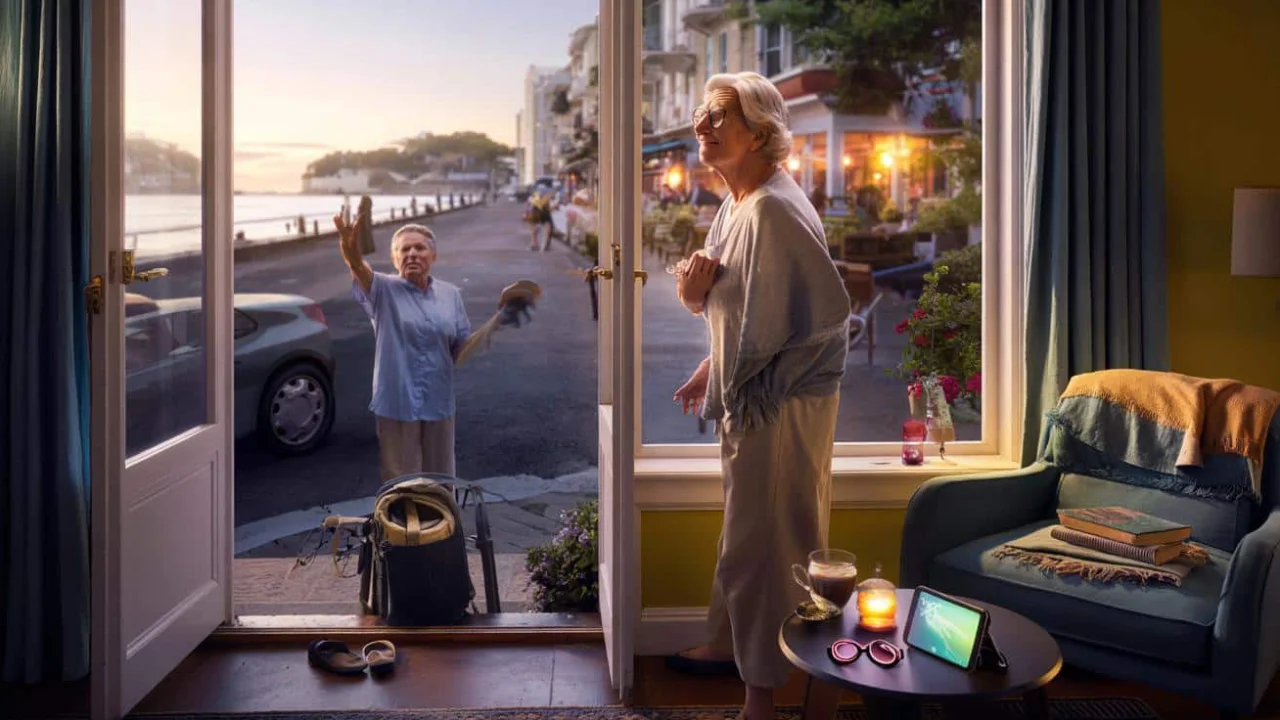
Margaret stood in her kitchen, staring at the text from her daughter: “Mom, want to drive up to the lake cabin tonight? Weather’s perfect!” Two years ago, she would have tossed clothes in a bag and been on the road within an hour. Now, at 64, her mind immediately started calculating: the three-hour drive in darkness, her night vision that wasn’t what it used to be, whether she’d remembered to refill her blood pressure medication.
She typed back: “Sounds wonderful! How about we go tomorrow morning instead?” Her daughter replied with a thumbs-up emoji, but Margaret felt a familiar pang. When had she become the person who needed to plan everything?
If this sounds familiar, you’re not alone. Millions of people over 60 are experiencing what researchers now understand as a natural shift in how our brains approach spontaneity in aging.
The Science Behind Your Changing Spontaneity
What feels like becoming “boring” or “overly cautious” is actually your brain making incredibly sophisticated adaptations. Dr. Sarah Chen, a neuropsychologist specializing in aging, explains: “After 60, the brain shifts from expansion mode to preservation mode. It’s not losing function – it’s optimizing for a different set of priorities.”
This change in spontaneity affects several key areas:
- Risk assessment becomes more thorough and detailed
- Recovery time calculations become automatic mental processes
- Energy conservation takes priority over immediate gratification
- Sleep patterns and physical comfort weigh more heavily in decisions
- Past experiences inform present choices more strongly
The shift typically begins gradually in your late 50s and becomes more noticeable after 60. It’s not a decline – it’s a recalibration based on decades of life experience and changing physical realities.
“Your brain has learned that impulsive decisions can have longer-lasting consequences now,” notes Dr. Michael Rodriguez, a gerontologist at Stanford University. “A night of poor sleep or physical overexertion might affect you for days rather than hours.”
How Spontaneity Changes After 60
The transformation in spontaneous behavior follows predictable patterns that vary from person to person but share common threads:
| Age Range | Spontaneity Level | Common Changes |
|---|---|---|
| 60-65 | Moderate decrease | More planning for social events, checking weather before outings |
| 65-70 | Noticeable shift | Preference for familiar routes, earlier planning for trips |
| 70-75 | Significant adaptation | Structured routines, advance booking preferred |
| 75+ | Highly selective | Spontaneity reserved for low-risk, familiar activities |
The good news? This doesn’t mean your adventurous spirit disappears. Instead, it becomes more intentional. Many people discover they enjoy experiences more when they’re well-planned and don’t involve rushing or stress.
Take Robert, 68, who describes his evolution: “I used to pride myself on being the guy who’d say yes to anything. Now I plan my spontaneity. I’ll block out Saturday afternoons for whatever comes up, but I make sure I’ve got my medications, my phone is charged, and someone knows where I am.”
The Real Impact on Daily Life
This shift in spontaneity affects various aspects of daily living, often in ways people don’t initially recognize:
Social Relationships: Friends might interpret increased planning as disinterest. Many people over 60 report feeling left out of last-minute invitations, not because they don’t want to participate, but because they need more time to prepare mentally and physically.
“I lost a few friendships because people thought I was making excuses,” shares Linda, 62. “They didn’t understand that I genuinely needed to know if we’d be walking a lot, or if there would be somewhere to sit, or if I could get home by 10 PM.”
Travel and Recreation: Spontaneous weekend trips become less common, but planned adventures often become more meaningful. The trade-off is depth for breadth – fewer trips, but more thoroughly enjoyed experiences.
Decision-Making Speed: What younger people might interpret as indecisiveness is actually more thorough processing. The brain is running multiple scenarios to optimize outcomes.
Dr. Elena Vasquez, a behavioral researcher, observes: “We’ve found that people over 60 make better long-term decisions precisely because they take more time to consider consequences. Their ‘slower’ decision-making is actually more sophisticated.”
Embracing Your New Rhythm
The key to happiness with this change is reframing spontaneity rather than mourning its loss. Many successful agers discover they can maintain excitement and adventure while adapting to their brain’s new operating system.
Planned Spontaneity: This might sound contradictory, but it works beautifully. Keep certain days or times open for whatever might come up, but with basic preparations in place.
Micro-Spontaneity: Small impulsive decisions can satisfy your need for spontaneity without triggering your brain’s caution systems. Taking a different route to the store, trying a new café in your neighborhood, or calling an old friend on a whim.
Gradual Adventure Building: Instead of jumping into major spontaneous decisions, build up to them. Start with small, low-risk impulsive choices and gradually expand your comfort zone.
The research shows that people who accept and work with their changing spontaneity report higher life satisfaction than those who fight against it or feel guilty about the change.
“I’ve learned to love my new pace,” says Janet, 66. “I plan my adventures better now, which means I enjoy them more. And I save my spontaneous energy for things that really matter – like driving three hours to see my new granddaughter without any notice.”
FAQs
Is decreased spontaneity a sign of depression or cognitive decline?
Not necessarily. Normal aging involves increased caution and planning. However, if you’re avoiding activities you used to enjoy entirely, it’s worth discussing with your healthcare provider.
Can I regain my old level of spontaneity?
While you may not return to your 30-year-old impulsiveness, you can definitely increase your comfort with spontaneous decisions through gradual practice and by addressing specific concerns like vision or mobility.
How do I explain this change to younger family members?
Help them understand that you’re not saying no to fun – you’re optimizing for better experiences. Explain what information or preparation would make you more likely to say yes spontaneously.
Are there health benefits to being less spontaneous?
Yes. Better planning can reduce stress, improve sleep, ensure proper medication management, and decrease the risk of accidents or overexertion.
What if my decreased spontaneity is affecting my relationships?
Communication is key. Let friends and family know what kind of advance notice helps you, and suggest alternative ways to be social that work better with your current needs.
Should I push myself to be more spontaneous?
Gentle challenges can be good, but forcing yourself into situations that feel unsafe or overwhelming isn’t beneficial. Trust your instincts while remaining open to new experiences within your comfort zone.


