
Sarah stared at the black spots creeping along her bathroom ceiling, feeling defeated. She’d scrubbed, sprayed, and even hired a professional cleaner twice this year. Every morning brought the same damp smell and foggy mirror that never seemed to clear completely.
Then her neighbor mentioned something that sounded almost too simple: “Have you tried putting a plant in there?” Sarah laughed it off at first. A plant? In her windowless bathroom that could barely keep a towel dry?
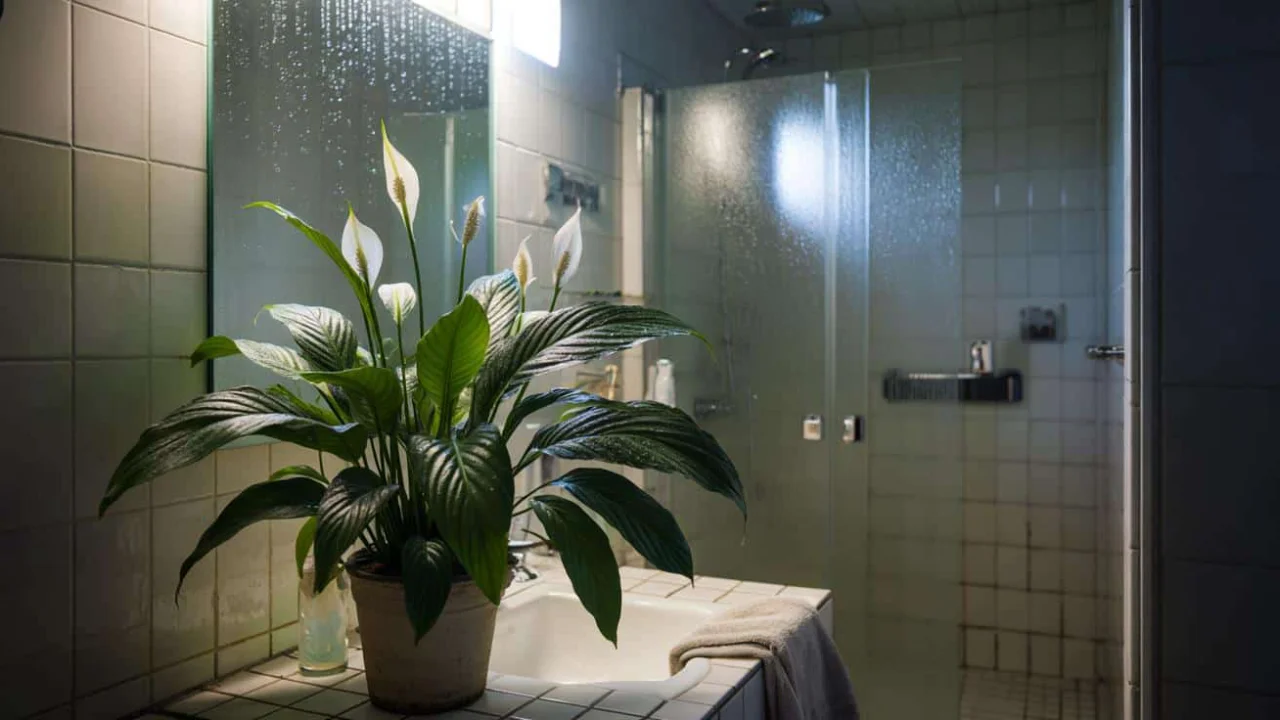
Six weeks later, Sarah’s bathroom tells a different story. The musty odor has faded, and those stubborn black spots haven’t returned. The secret weapon sitting quietly on her counter? A single peace lily that’s been working around the clock to transform her damp space.
The Plant That Stops Mold in Its Tracks
The peace lily, scientifically known as Spathiphyllum, has earned a reputation as nature’s humidity controller. While it looks like just another pretty houseplant with its glossy green leaves and elegant white blooms, this plant stops mold by actively pulling moisture from the air.
“I’ve seen peace lilies single-handedly transform bathrooms that seemed hopeless,” says Maria Rodriguez, an indoor plant specialist with 15 years of experience. “They’re like living dehumidifiers that never need electricity.”
The magic happens through the plant’s natural transpiration process. Those broad, waxy leaves don’t just look good – they’re constantly absorbing water vapor from the surrounding air. The plant then processes this moisture and releases cleaner, drier air back into the room.
Unlike mechanical solutions that can break down or require constant maintenance, this plant stops mold by creating a natural balance in your bathroom’s ecosystem. It thrives in the exact conditions that typically encourage mold growth: high humidity, low light, and warm temperatures.
Why Peace Lilies Excel at Mold Prevention
Peace lilies possess several unique characteristics that make them perfect mold-fighting companions for bathrooms:
- High moisture absorption capacity through large leaf surfaces
- Tolerance for low-light bathroom conditions
- Natural air purification properties that remove airborne contaminants
- Ability to regulate humidity levels consistently
- Low maintenance requirements perfect for busy homeowners
NASA’s Clean Air Study identified peace lilies as one of the top air-purifying plants, capable of removing harmful compounds that often accumulate in enclosed spaces. This research backs up what many homeowners have discovered through trial and error.
The plant’s effectiveness varies based on bathroom size and conditions. Here’s what you can expect:
| Bathroom Size | Recommended Plant Size | Expected Results | Timeline |
|---|---|---|---|
| Small (under 50 sq ft) | Medium (12-18 inches) | Noticeable humidity reduction | 2-3 weeks |
| Medium (50-80 sq ft) | Large (18-24 inches) | Significant mold prevention | 3-4 weeks |
| Large (80+ sq ft) | Multiple plants or extra large | Comprehensive humidity control | 4-6 weeks |
“The key is matching plant size to space,” explains Dr. James Chen, a botanist specializing in indoor air quality. “One small peace lily in a large bathroom won’t make much difference, but the right setup can reduce humidity by 10-15%.”
Setting Up Your Mold-Fighting Plant System
Placement makes all the difference when using this plant stops mold strategy. You want your peace lily close enough to absorb maximum humidity but safe from direct water splashes that could damage the leaves.
The ideal spots include bathroom counters, sturdy shelves near the shower, or even hanging planters if your ceiling can support them. Avoid placing the plant directly in the shower area or where it might get knocked over during your daily routine.
Care requirements are refreshingly simple. Peace lilies prefer their soil slightly moist but not waterlogged. In a humid bathroom environment, you’ll likely need to water less frequently than you’d expect – sometimes just once every 10-14 days.
“I tell clients to stick their finger into the soil about an inch deep,” says Rodriguez. “If it feels dry, water it. If it’s still moist, wait a few more days. These plants are very forgiving.”
The plant will actually communicate its needs through its leaves. Slightly drooping leaves usually mean it needs water, while brown leaf tips often indicate overwatering or chemical sensitivity from tap water. Using filtered or distilled water prevents this issue entirely.
Beyond Mold: Additional Bathroom Benefits
While the primary goal is mold prevention, homeowners quickly discover other advantages. The plant’s air-purifying abilities help eliminate odors naturally, reducing reliance on artificial air fresheners that can actually contribute to indoor air pollution.
Many people report improved sleep quality when their bedroom connects to a plant-equipped bathroom. The cleaner air and reduced humidity create a more comfortable environment throughout the night.
The psychological benefits shouldn’t be overlooked either. Having living greenery in what’s often the most sterile room in the house creates a spa-like atmosphere that makes daily routines more pleasant.
“Plants just make spaces feel more alive,” notes interior designer Lisa Park. “When clients add peace lilies to bathrooms, they often tell me it’s become their favorite room in the house.”
Cost-effectiveness is another major advantage. A quality peace lily costs $15-40 depending on size, while professional mold remediation can run hundreds or thousands of dollars. Even if you need to replace the plant every few years, you’re still saving money while preventing health issues associated with mold exposure.
FAQs
How long does it take for a peace lily to start preventing mold?
Most people notice reduced humidity and fresher air within 2-3 weeks, with visible mold prevention becoming apparent after 4-6 weeks of consistent placement.
Can peace lilies survive in windowless bathrooms?
Yes, peace lilies tolerate low-light conditions very well. They may not bloom as frequently without natural light, but they’ll continue absorbing humidity and purifying air effectively.
What if my peace lily starts getting brown leaves?
Brown leaf tips usually indicate overwatering or sensitivity to chemicals in tap water. Trim the brown parts and switch to filtered water for future watering.
Do I need multiple plants for a large bathroom?
For bathrooms larger than 80 square feet, consider using 2-3 smaller plants or one very large specimen to achieve optimal humidity control and mold prevention.
Are peace lilies safe around pets and children?
Peace lilies are mildly toxic if ingested, so keep them out of reach of curious pets and small children. The plant’s benefits far outweigh this concern for most households with proper placement.
How often should I clean the plant’s leaves?
Gently wipe leaves with a damp cloth monthly to remove dust and maintain optimal air-purifying efficiency. Clean leaves work better at absorbing humidity and filtering air.


