
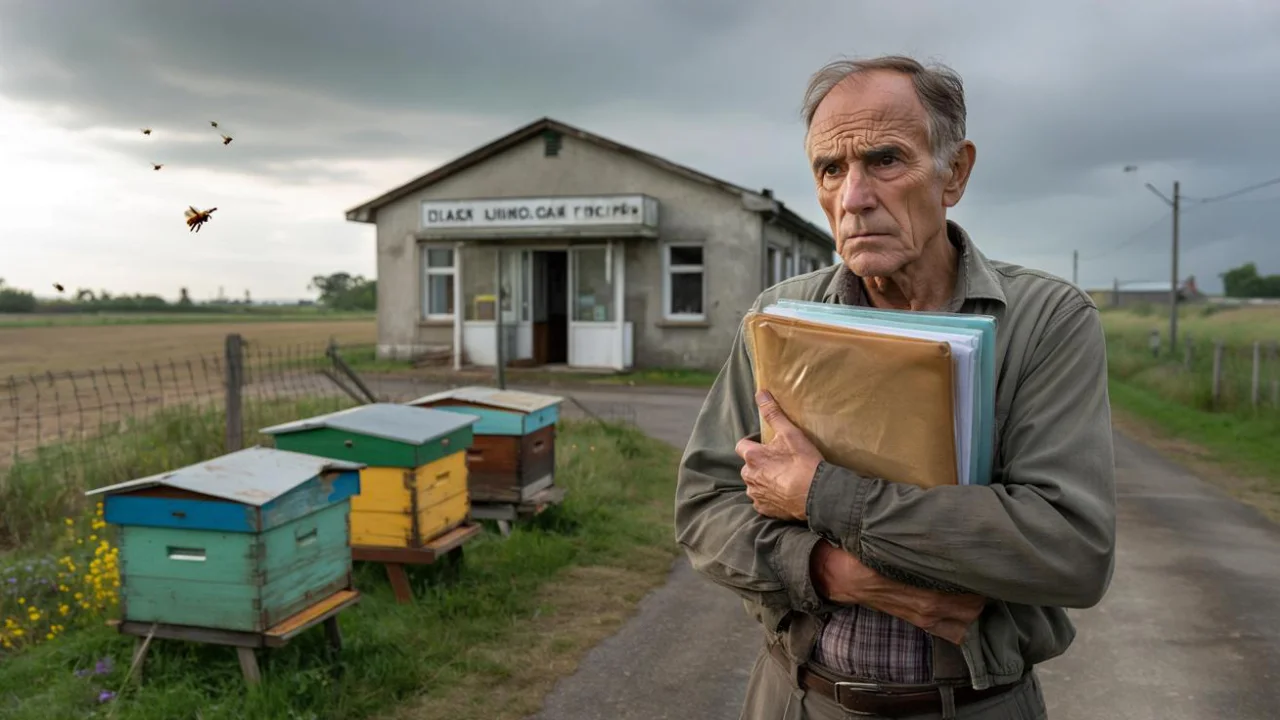
Margaret wiped her hands on her apron and stared at the envelope on her kitchen table. After 40 years of teaching elementary school, she thought retirement would mean fewer official letters, not more. But there it was—a bill for farmland tax on the three acres behind her house where her neighbor’s beehives sat quietly humming in the morning sun.
She’d never charged him a penny. Hell, she’d barely even asked him to move the grass before setting up his hives. It was just something neighbors did for each other—help out, share the land, keep the bees happy. Now the government wanted $3,200 in farmland tax because those wooden boxes apparently made her a commercial farmer.
Margaret’s story isn’t unique anymore. Across the country, similar letters are landing in mailboxes, turning simple acts of neighborliness into bureaucratic nightmares and dividing communities along lines nobody saw coming.
When Helping Your Neighbor Becomes a Tax Problem
The farmland tax issue started with good intentions. Local governments needed revenue, and officials noticed that some landowners were quietly renting fields to commercial operations while claiming their property as unused residential land. The tax gap was real—millions in lost revenue that could fund schools, roads, and public services.
But the new regulations cast a wide net. Any land showing “systematic agricultural use” now qualifies for farmland tax rates, even if no money changes hands. Beehives, community gardens, even letting a neighbor graze a few goats can trigger the tax.
“We’re seeing cases where people who thought they were helping the environment suddenly owe thousands in back taxes,” says local tax attorney James Morrison. “The law doesn’t distinguish between a million-dollar farming operation and someone letting their friend keep bees.”
The controversy has exposed a deeper divide about rural values, environmental responsibility, and who should pay for public services. What seemed like a simple tax enforcement measure has become a lightning rod for bigger frustrations about government overreach and the changing nature of rural communities.
The Real Numbers Behind the Farmland Tax Controversy
Understanding the scope of this issue requires looking at the numbers. The impact varies dramatically depending on location, land size, and local tax rates, but the patterns are clear across affected regions.
| Land Size | Average Annual Tax | Most Common Use | Typical Owner |
|---|---|---|---|
| 1-5 acres | $800-$3,200 | Beehives, small gardens | Retirees, suburban residents |
| 5-20 acres | $3,200-$12,000 | Hay fields, grazing | Rural homeowners |
| 20+ acres | $12,000-$50,000 | Crop production, livestock | Hobby farmers, landowners |
The affected landowners fall into several categories:
- Retirees who lent unused land to friends or neighbors
- Environmental enthusiasts supporting bee colonies or native plant projects
- Rural residents with informal grazing agreements
- Suburban landowners hosting community gardens
- Property owners who inherited agricultural land but don’t farm it themselves
Tax assessors report that about 60% of appeals come from people who genuinely didn’t know their informal arrangements could trigger farmland tax obligations. The remaining 40% includes both legitimate oversights and cases where landowners were trying to avoid taxes on profitable arrangements.
“Most people calling our office are genuinely shocked,” explains county assessor Linda Chen. “They thought they were doing something nice for a neighbor or the environment. They never imagined it could cost them thousands in taxes.”
How Communities Are Splitting Over Land Use and Taxes
The farmland tax controversy has created unexpected battle lines in communities across the region. The divide isn’t simply urban versus rural—it’s more complicated than that.
Environmental groups find themselves in an awkward position. They support policies that encourage biodiversity and small-scale sustainable agriculture, but they also recognize that tax systems need to be fair and generate revenue for public services.
Meanwhile, property rights advocates see the enforcement as government overreach. They argue that landowners should be free to use their property as they see fit without triggering tax obligations, especially when no profit is involved.
The controversy has also highlighted generational differences. Older residents often view informal land sharing as part of traditional rural values—helping neighbors, supporting local agriculture, and maintaining community connections. Younger residents, particularly those from urban backgrounds, are more likely to see unpaid land use as a form of tax avoidance that unfairly shifts the burden to other taxpayers.
“My grandfather would roll over in his grave if he knew the government was taxing people for helping their neighbors,” says retired farmer Bill Davidson, whose property is now subject to farmland tax because he lets a local beekeeper use his fields.
On the other side, local school board member Susan Rodriguez argues that “everyone needs to pay their fair share. If land is being used for agricultural purposes, even informally, it should be taxed like agricultural land.”
What This Means for Property Owners Right Now
If you own land that might be affected by farmland tax rules, the implications are immediate and potentially expensive. The key is understanding what activities trigger tax obligations before they result in surprise bills.
Current enforcement focuses on several specific activities:
- Allowing beehives on your property, even for free
- Letting neighbors plant crops or gardens
- Permitting livestock grazing, regardless of payment
- Hosting community-supported agriculture operations
- Growing crops for personal use on a systematic basis
The legal landscape is still evolving. Several court cases are working their way through the system, challenging whether informal, unpaid arrangements should trigger commercial farmland tax rates.
Property owners caught in the controversy have several options. Some are fighting the assessments in court, arguing that true agricultural use requires commercial intent and profit motive. Others are working with tax authorities to find compromise solutions, such as reduced rates for environmental or community benefit activities.
“We’re seeing local governments starting to recognize that the current approach might be too broad,” notes agricultural law specialist Maria Santos. “There’s growing interest in creating exemptions for environmental stewardship activities or small-scale community partnerships.”
The controversy has also sparked broader conversations about tax policy and rural development. Some communities are exploring alternative approaches, such as voluntary agreements that acknowledge agricultural use while providing reduced tax rates for environmentally beneficial activities.
FAQs
Can I let my neighbor keep bees on my land without paying farmland tax?
Currently, most jurisdictions classify beehives as agricultural use regardless of payment, potentially triggering farmland tax obligations. Check with your local assessor before agreeing to any arrangement.
What if I’m not making any money from the agricultural use of my land?
Profit isn’t always required for farmland tax classification. Many tax codes focus on “systematic agricultural use” rather than commercial profit, meaning even free arrangements can trigger tax obligations.
How can I appeal a farmland tax assessment?
Most jurisdictions allow property tax appeals within 30-60 days of receiving an assessment. Contact your local assessor’s office for specific procedures and deadlines in your area.
Are there exemptions for environmental or community benefit activities?
Some areas are developing exemptions for activities like pollinator habitat or community gardens, but these vary widely by location. Research your local ordinances or consult with a tax professional.
What should I do if I want to help a neighbor with their agricultural activities?
Before agreeing to any land use arrangement, consult with your local tax assessor to understand potential implications. Consider formal agreements that address tax obligations upfront.
Will this controversy lead to changes in farmland tax laws?
Several states are reviewing their farmland tax policies in response to public pressure. Some are considering exemptions for small-scale, non-commercial activities, but changes typically take months or years to implement.


