
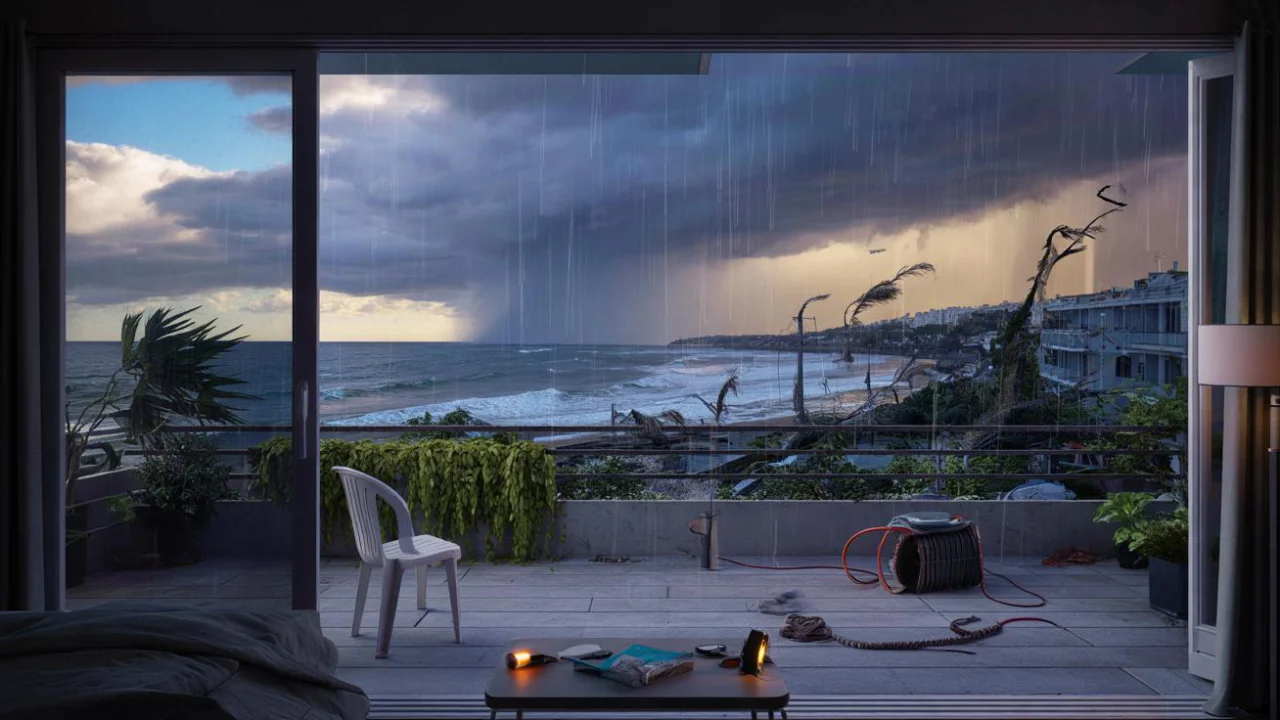
Sarah was folding laundry when the first rumble rolled across the valley. She paused, a damp towel in her hands, and looked out the kitchen window. The sky had turned that peculiar shade of green-gray that makes your stomach drop. Her neighbor’s dog was already pacing the fence line, whimpering.
Twenty minutes later, hail the size of golf balls was punching holes through her tomato plants. The power flickered twice, then died completely. Sarah sat in her darkened living room, listening to the storm tear through her neighborhood like an angry giant, and realized she’d just witnessed something that’s becoming increasingly common across the globe.
When Nature Shows Its True Power
A storm isn’t just bad weather. It’s a massive atmospheric engine that can reshape landscapes, flip cars, and turn ordinary Tuesday afternoons into survival stories. Every year, severe storms cause billions in damage and claim hundreds of lives worldwide.
But what exactly transforms a gentle breeze into a destructive force? The science is both simple and terrifying. When warm, moist air collides with cold, dry air, the atmosphere becomes unstable. Think of it like mixing oil and water, but with the energy of a nuclear bomb.
“The amount of energy released in a single thunderstorm equals about 10 Hiroshima-sized atomic bombs,” explains Dr. Maria Rodriguez, a meteorologist at the National Weather Center. “Most people don’t realize they’re witnessing one of nature’s most powerful displays.”
Storm systems feed on temperature differences and atmospheric pressure changes. The greater the contrast, the more violent the resulting weather. Climate change has been amplifying these contrasts, creating conditions for more intense storms than previous generations ever experienced.
Reading the Warning Signs
Your body often knows a storm is coming before your weather app does. Animals sense it too. Dogs hide under beds, cats disappear, and birds go silent. These aren’t old wives’ tales – they’re responses to real atmospheric changes.
Here are the key warning signs that a serious storm is approaching:
- Sudden temperature drops of 10°F or more
- Rapidly building towering clouds
- An eerie greenish tint to the sky
- Hair standing on end (indicating electrical activity)
- A distinct smell of ozone in the air
- Sudden wind shifts or complete calm
The most dangerous storms often develop with little warning. Meteorologist James Chen from Storm Track Weather notes, “We can predict storm systems days in advance, but the exact timing and intensity of severe weather can change in minutes. That’s what makes storms so dangerous.”
| Storm Type | Wind Speed | Duration | Damage Potential |
|---|---|---|---|
| Thunderstorm | 40-60 mph | 30-60 minutes | Moderate |
| Severe Thunderstorm | 60-80+ mph | 1-3 hours | High |
| Derecho | 80-120 mph | 2-12 hours | Extreme |
| Hurricane/Typhoon | 74-200+ mph | 6-24+ hours | Catastrophic |
The Human Cost of Severe Weather
Behind every storm statistic is a human story. In 2023, severe thunderstorms caused over $50 billion in damage across the United States alone. But numbers don’t capture the family photos scattered across muddy yards or the elderly man who lost his workshop to a falling tree.
Emergency responders see the immediate aftermath. Fire Chief Rebecca Martinez from Oklahoma has worked dozens of storm-related calls. “The most heartbreaking part isn’t the destroyed buildings,” she says. “It’s the look in people’s eyes when they realize their safe space isn’t safe anymore.”
Rural communities often bear the brunt of severe storms. They’re farther from hospitals, have fewer emergency services, and depend more heavily on agriculture that can be wiped out in hours. A single hailstorm can destroy an entire year’s crop, bankrupting farm families who’ve worked the same land for generations.
Urban areas face different challenges. Dense populations mean more people at risk. Concrete and asphalt create heat islands that can intensify storms. Overwhelmed drainage systems turn streets into rivers. Power outages affect millions simultaneously, shutting down everything from traffic lights to life-saving medical equipment.
Preparing for Nature’s Fury
The best storm preparation happens before the clouds gather. Smart planning can mean the difference between inconvenience and catastrophe.
Every household should have a storm kit containing:
- Battery-powered weather radio
- Flashlights and extra batteries
- First aid supplies
- Three days’ worth of water (one gallon per person per day)
- Non-perishable food
- Important documents in waterproof containers
- Cash in small bills
- Medications
But preparation goes beyond supplies. Know your area’s tornado sirens. Identify the safest room in your home – usually an interior room on the lowest floor, away from windows. Practice your emergency plan with your family.
“The people who survive severe storms aren’t necessarily the lucky ones,” notes emergency management specialist David Park. “They’re usually the prepared ones who took the threat seriously and acted quickly.”
Climate Change and Future Storms
Today’s storms aren’t your grandparents’ storms. Warmer oceans provide more energy. Higher temperatures hold more moisture. The jet stream, which guides weather patterns, has become more erratic.
Scientists are seeing storms intensify more rapidly and maintain strength longer. The “500-year flood” now happens every few decades. Hurricane categories that were rare are becoming routine.
This isn’t just about bigger storms – it’s about unpredictable ones. Traditional weather patterns that communities have relied on for centuries are shifting. Drought-stricken areas suddenly face devastating floods. Regions that rarely saw severe weather are installing tornado sirens.
FAQs
How do I know if a storm is dangerous enough to take shelter?
If the National Weather Service issues a severe thunderstorm warning or tornado warning for your area, take shelter immediately. Don’t wait to see the storm – act on the warning.
Can I use my car as shelter during a severe storm?
Cars offer some protection from hail and debris, but they’re not safe during tornadoes or lightning. If caught driving, avoid overpasses and seek a sturdy building instead.
Why do storms seem worse at night?
Storms aren’t necessarily stronger at night, but they’re more dangerous because you can’t see what’s coming. Lightning provides the only illumination, making it harder to spot tornadoes or flying debris.
How long do most severe storms last?
Individual thunderstorms typically last 30-60 minutes, but storm systems can produce dangerous conditions for many hours as they move across regions.
Is it safe to use electronics during a thunderstorm?
Avoid using corded phones or plugged-in electronics during storms. Lightning can travel through wiring. Battery-powered devices and cell phones are generally safe to use.
What should I do immediately after a severe storm passes?
Stay indoors until you’re certain it’s safe. Check for injuries first, then structural damage. Be careful of downed power lines – assume they’re live. Don’t drive through flooded roads.


